New - 15 Mins Ago

.jpg)


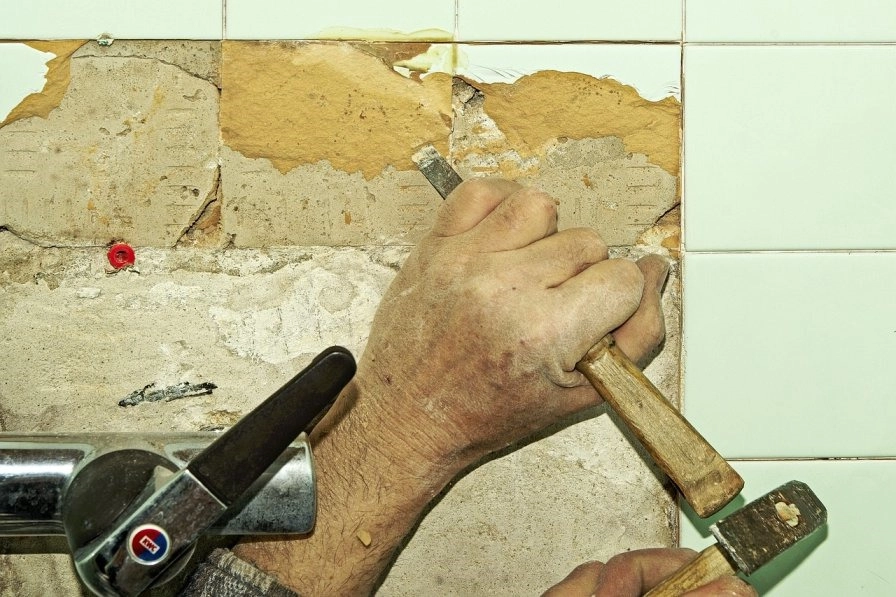
A renovated Denver home is worth what the work behind the finishes is worth, and the finishes hide it. Before writing an offer, pull the permit history from the city or county, find out whether the home is a flip, and order the inspections that look past new drywall: the sewer scope, the electrical panel, the roof, the radon test. The Colorado contract gives a buyer the deadlines to do all of it after the offer is accepted; this post covers what to do with them.
Every metro jurisdiction posts permits online. Denver Community Planning and Development has a property search by address that lists every permit, its status and whether it passed final inspection. Jefferson County, Arapahoe County, Adams County and Douglas County run the same search for unincorporated areas, and Aurora, Lakewood, Arvada, Littleton and Westminster run their own. The search takes five minutes and costs nothing.
A permit that was pulled but never closed with a final inspection counts as unpermitted. The buyer inherits it: a future sale, an insurance claim or a city complaint brings it up, and a retroactive permit in Denver means opening walls for inspection at the new owner's cost. The Denver home buyer verification checklist puts the permit search in order with the rest of the checks.
A flip is not a problem by itself. Investors who follow the Denver fix and flip guide pull permits, use licensed trades and scope the sewer, and their homes are better than the dated ones next door. The problem is a flip that spent the budget on the parts the camera sees.
Colorado has no statewide general contractor license, so Denver, Aurora, Lakewood and the counties license contractors locally. Electricians and plumbers are licensed statewide through the Colorado Department of Regulatory Agencies, and a permit for that work names the license holder. Ask the seller for the contractor list, the invoices and the warranties. A reliable whole house renovation team keeps that file and hands it over; a seller who did the work with day labor has nothing to hand over, and the permit search confirms which one it was. Most contractor warranties in Colorado run one year on labor and stay with the original client unless the contract says they transfer, so get the transfer in writing.
A general inspection runs $450 to $700 in the metro and looks at what is visible. On a renovated home, add the specialists that look where the drywall closed.
The finding a good Denver home inspector post covers who to hire; the ten inspection red flags post ranks what turns up.
A finished basement is the most common unpermitted item in the metro. Three checks decide whether it counts.
Homes built before 1980 in the metro hold asbestos in popcorn ceilings, floor tile, duct wrap and drywall compound. The Colorado Department of Public Health and Environment requires an asbestos inspection before disturbing more than 32 square feet in a home, and a scraped popcorn ceiling without that inspection means dust in the ductwork. Ask for the inspection report and the abatement clearance. Pre-1978 homes carry the federal lead paint disclosure, and contractors disturbing painted surfaces follow the EPA renovation rule.
Radon changes after a remodel. A new basement finish, a cut slab for a bathroom drain, or a sealed-up crawlspace all change how the gas moves. Most Front Range counties sit in EPA Zone 1. Order a 48-hour test during the inspection period, $150 to $250, and ask for mitigation ($1,200 to $2,500) when the result is at or above 4 pCi/L. Colorado sellers must provide a radon warning statement and any known test results. The radon and the Denver home purchase post explains the test.
The Colorado Real Estate Commission's Contract to Buy and Sell Real Estate gives the buyer an inspection objection deadline, an inspection termination deadline, an appraisal deadline and a loan termination deadline. Set the inspection deadlines 10 to 14 days out on a renovated home so the sewer scope, radon test and any specialist have time. A buyer who terminates by the deadline keeps the earnest money. The Seller's Property Disclosure comes before the offer; read it for the words "unknown" on the permit, roof and basement lines, which is how an LLC seller answers. The making an offer on a Colorado home page walks the deadlines in order.
Flips list at the top of the updated comps because the investor's margin lives there. The appraiser compares the home to sold updated homes, not to the list price, and in a market with more inventory the appraisal comes in under contract on a share of flips. The appraisal deadline in the contract lets the buyer renegotiate or walk. Being realistic about upkeep, comfort, and cost matters more on a renovated home than a new one: the finishes are new, the roof, sewer, furnace and windows are whatever the permit search says they are, and the price needs to reflect that mix.
FHA will not insure a loan on a home resold within 90 days of the seller's purchase, and a resale between 91 and 180 days at more than double the prior price requires a second appraisal. Conventional loans have no flip rule but the appraiser still reviews the prior sale. Mike Oswald, VP of Mortgage Lending at Rate, NMLS 261003, Equal Housing Lender, checks the sale history against the loan type before the offer goes in, so a Colorado buyer does not write on a flip the loan cannot close. You are free to use any lender. The Colorado mortgage pre-approval guide and the Colorado home financing guide cover the steps.
| Looks new | Verify | Cost to verify |
|---|---|---|
| Kitchen | Permit for moved plumbing or circuits; pipe material under the sink | Free permit search |
| Bathrooms | Exhaust fan vented outside; plumbing run test; asbestos report on a pre-1980 tear-out | Inspection |
| Flooring | Sewer scope under it | $150 to $300 |
| Panel cover | Brand and breaker type inside | Inspection |
| Roof | Layers, deck condition, permit, hail claim date | Inspection or roofer, $0 to $250 |
| Basement | Egress, floating walls, permit, radon | $150 to $250 radon test |
| Furnace and AC | Serial number date code | Free |
| Sod and mulch | Grade falls away from the foundation | Inspection |
A permitted, well-documented renovation is worth paying for: the buyer skips 3 to 6 months of contractors and finances the work at the mortgage rate. A dated home next door at $80,000 to $150,000 less, with the work done on the buyer's terms, wins when the buyer has the cash or a renovation loan and the time. Research on housing and health published through the National Library of Medicine treats buying a renovated home as a health decision as much as a financial one: ventilation, moisture control and the materials behind the walls decide how the house lives. Buyers weighing the dated version read the 1950s to 1980s Denver home fix list for what that work costs, then compare both on the Denver homes for sale page.
The Kenna Real Estate Group at Keller Williams DTC pulls the permit history and the sale history on every renovated home before a buyer writes, sets the inspection deadlines with room for the sewer scope and radon test, and negotiates the credit when the walls tell a different story than the listing. Call or text 303-955-4220. A live person answers. Not a robot, not a phone tree. Start here: search every home for sale in Colorado.
Questions about any home in Colorado? Call or text 303-955-4220. A live person answers.
Denver Community Planning and Development's online property search lists every permit by address with its status and final inspection. Jefferson, Arapahoe, Adams and Douglas County and the suburbs run their own searches. It takes five minutes and costs nothing.
The buyer inherits it. A future sale, an insurance claim or a city complaint brings it up, and a retroactive permit means opening walls for inspection at the owner's cost. Negotiate a credit or require the seller to close the permit before closing.
FHA will not insure a loan on a home resold within 90 days of the seller's purchase. A resale between 91 and 180 days at more than double the prior price requires a second appraisal. Conventional loans have no flip rule.
Yes on any home built before 1980. New flooring sits on the same clay lateral, and a scope costs $150 to $300 against a $8,000 to $25,000 replacement.
No. Every metro city's building code requires an egress window or door in a below-grade sleeping room. Without one the room is a den, the bedroom count in the listing is wrong, and the price built on it is wrong.
Ten to fourteen days after the contract date, so the sewer scope, a 48-hour radon test and any specialist fit before the inspection objection deadline. A buyer who terminates by the deadline keeps the earnest money.
Only when the contract says so. Most run one year on labor and stay with the original client. Ask the seller for the contractor list and get any transfer in writing before closing.
Ask for the CDPHE asbestos inspection report and abatement clearance. Popcorn ceilings from before 1980 hold asbestos in most metro homes, and scraping one without an inspection puts the dust in the ductwork.


