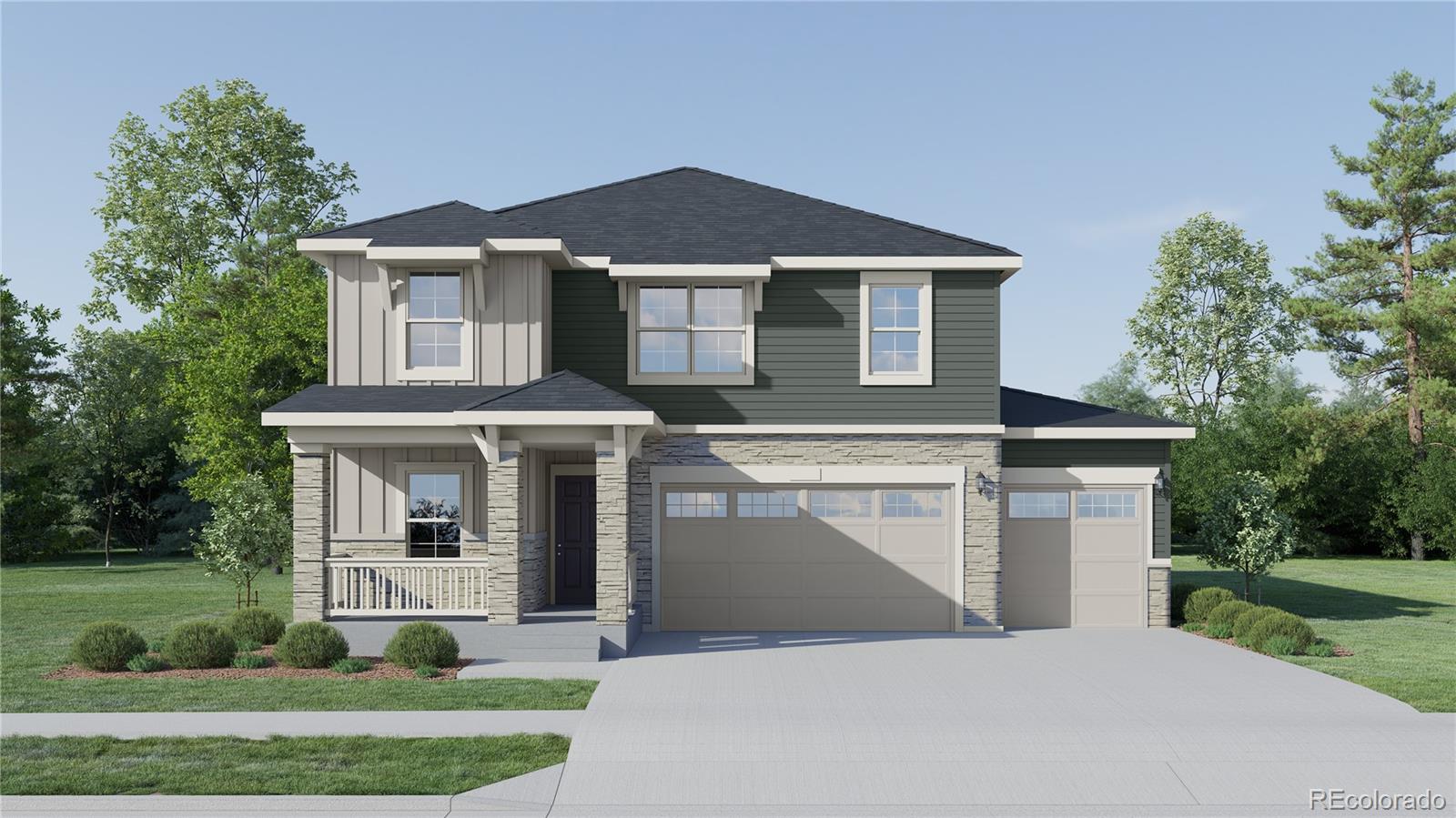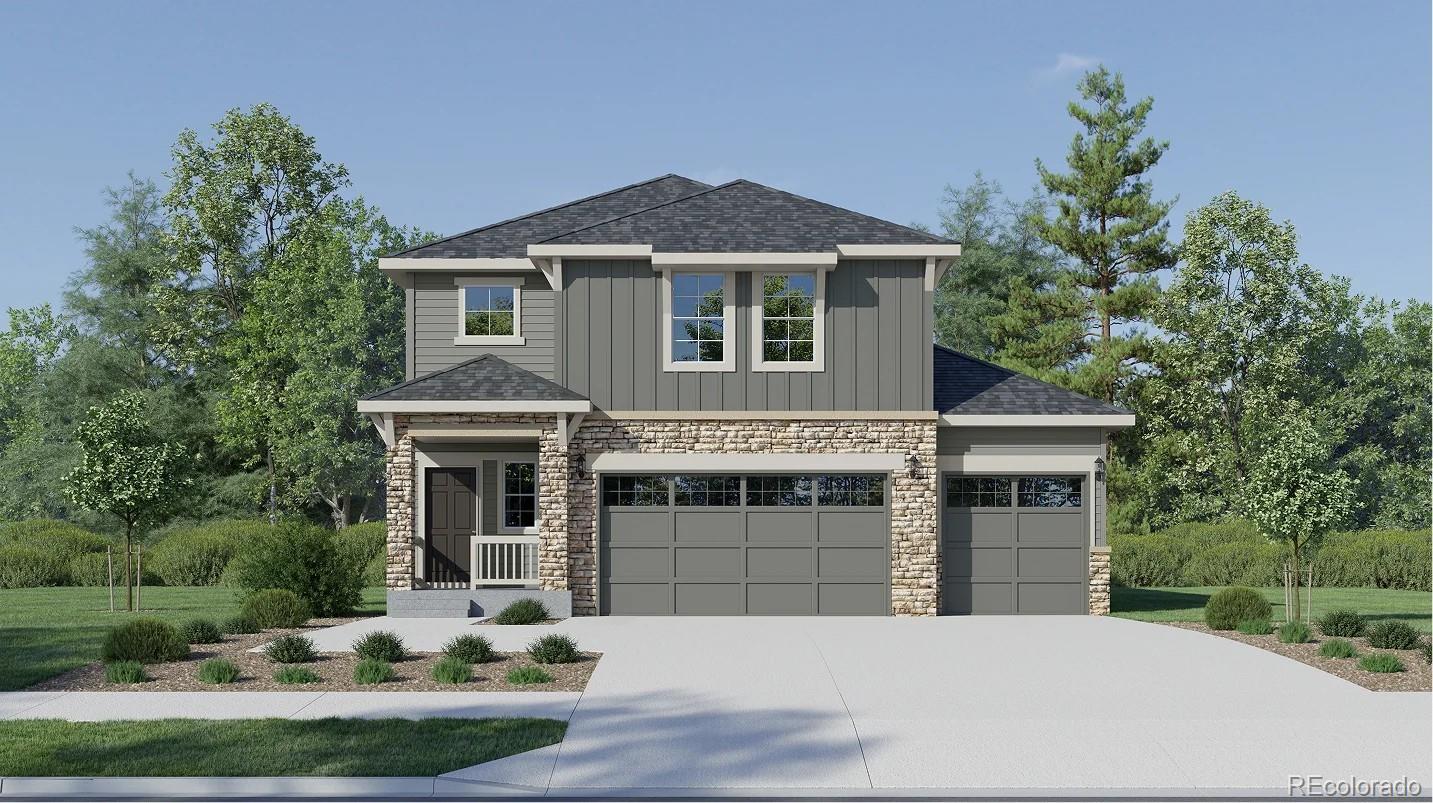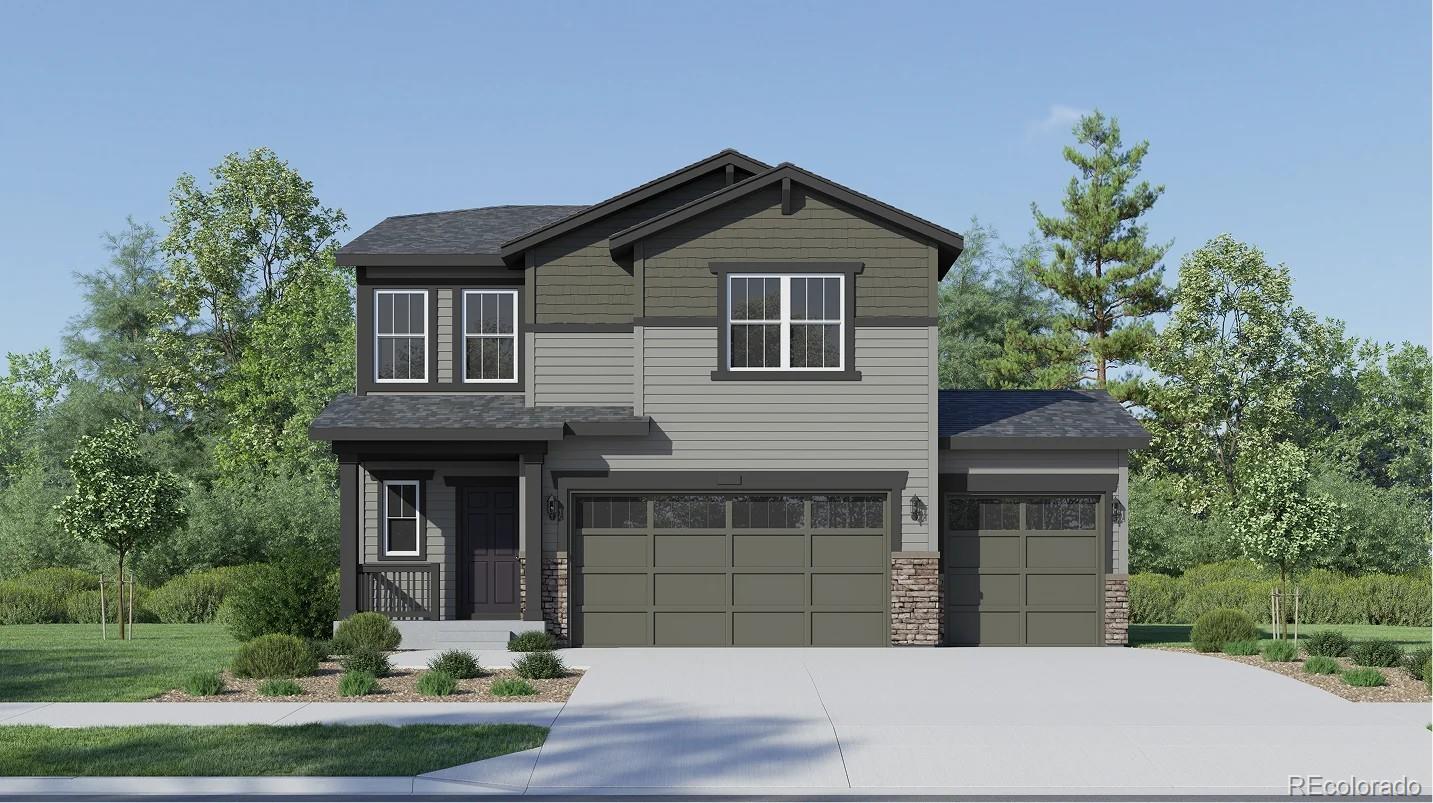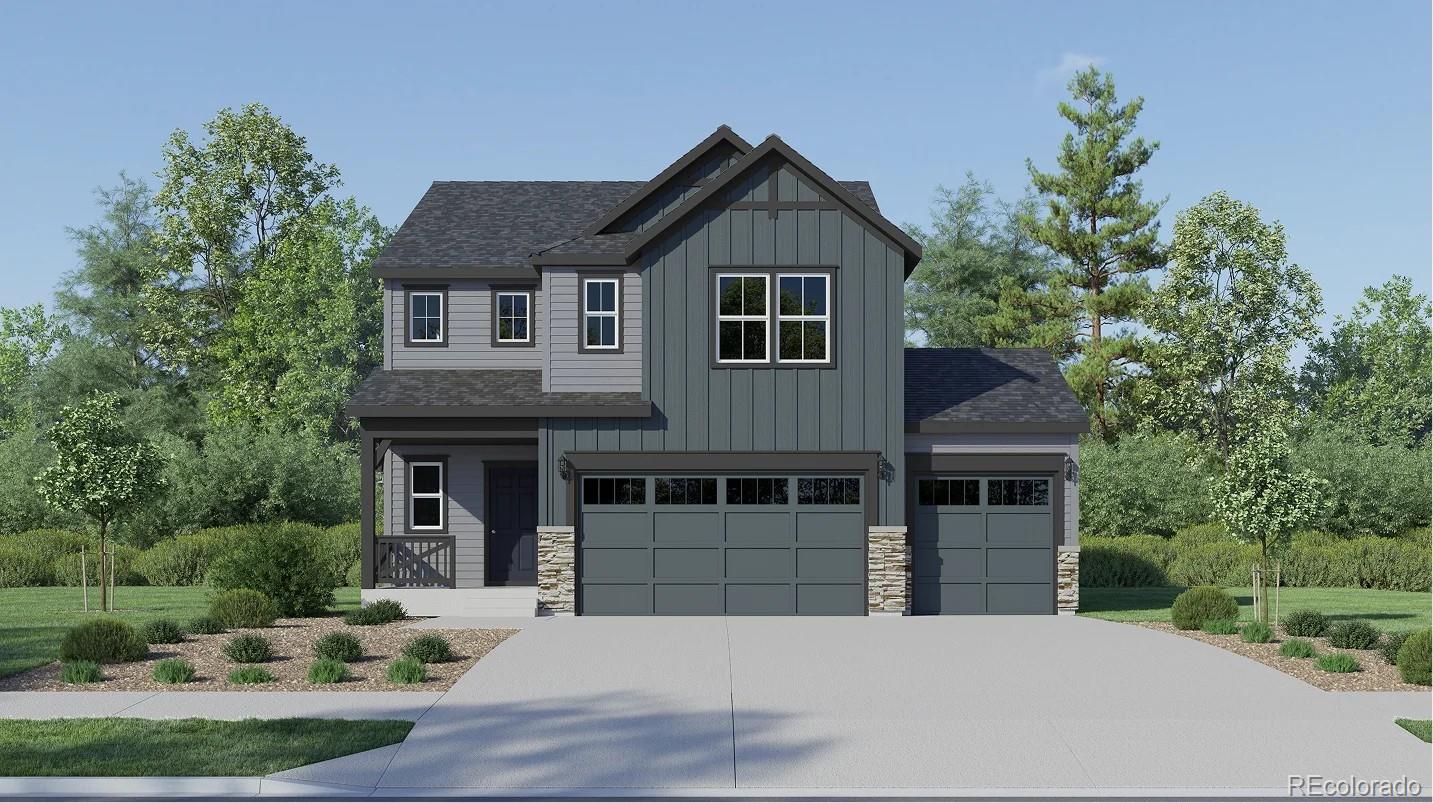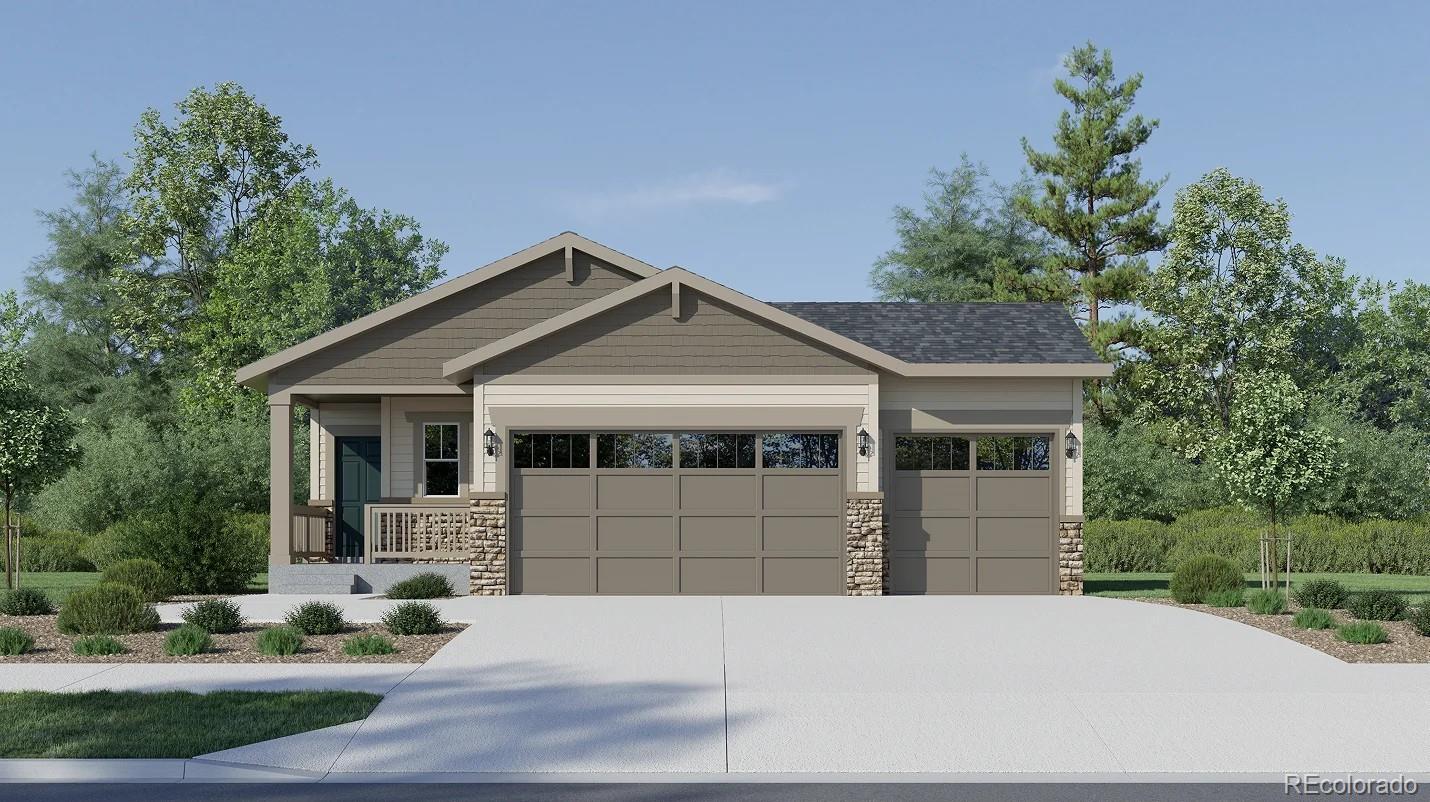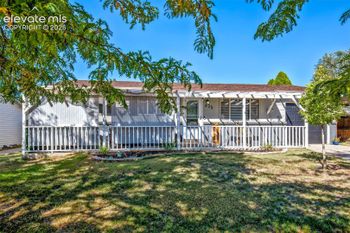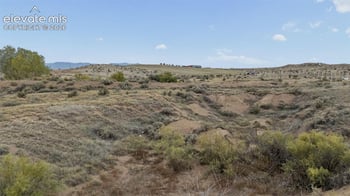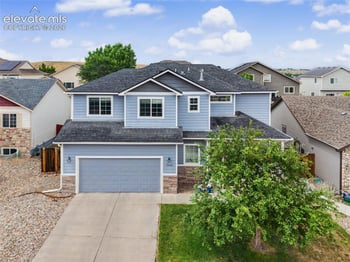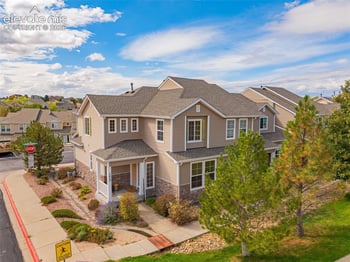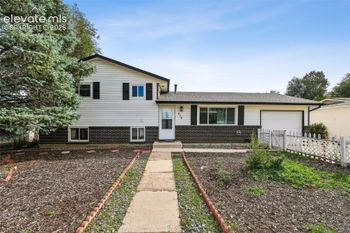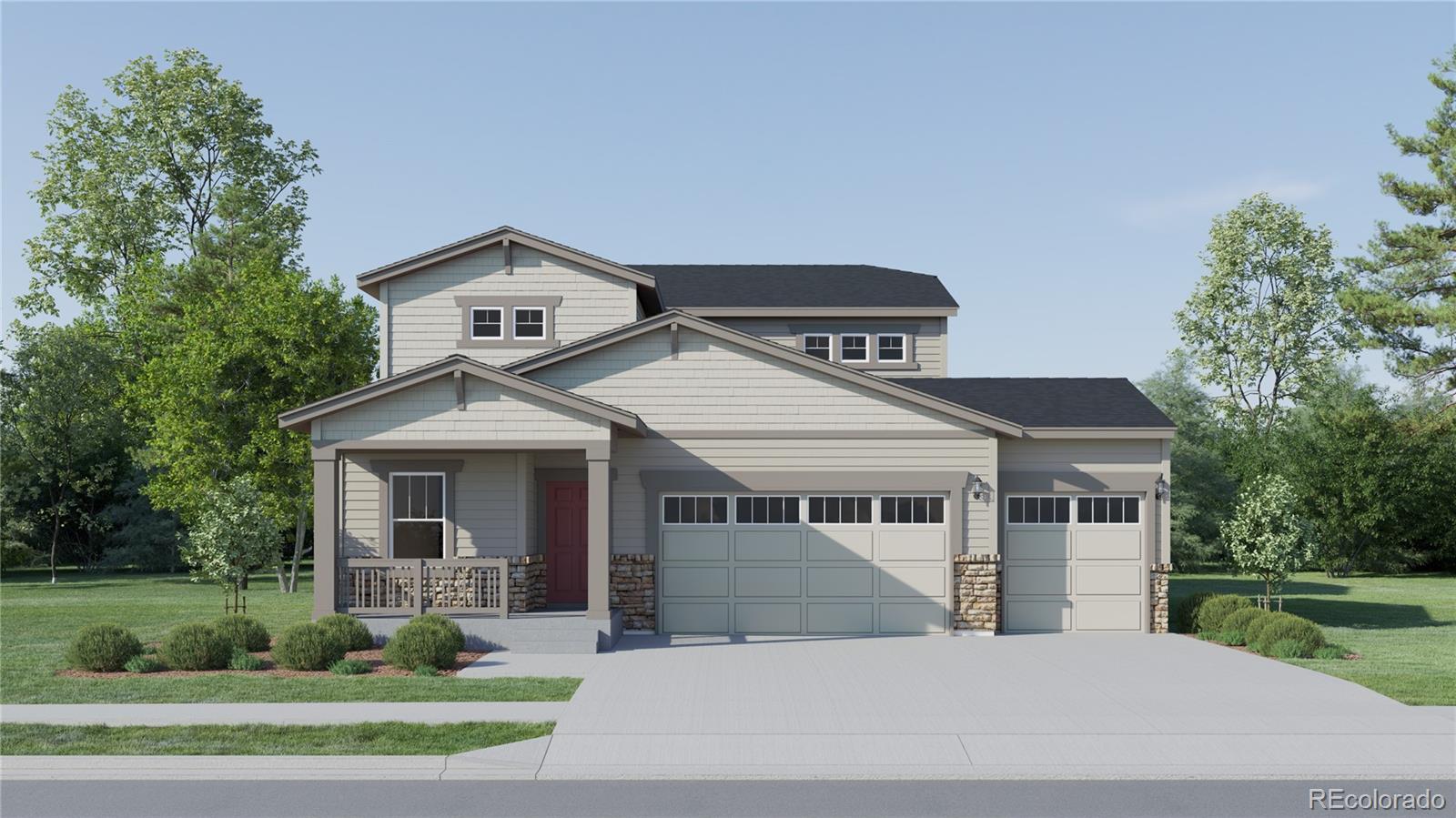
$564,900
Active
5
Beds
4
Baths
2535
Sqft
0.26
Acres
3500 Aspen Glen Loop, Elizabeth, CO 80107
MLS#: 3429655
.jpg)


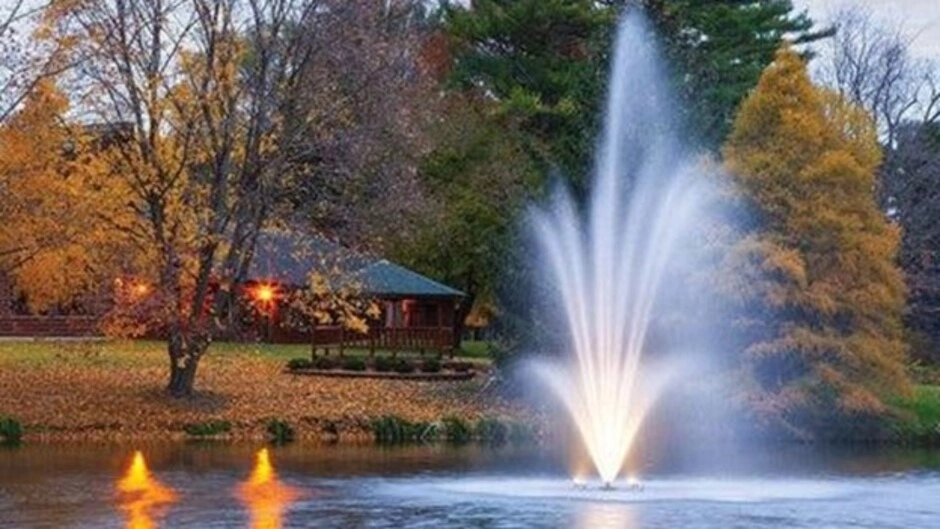
A pond fountain on a Colorado property costs $1,500 to $8,000 installed for a floating unit between 1/2 and 2 horsepower, plus $15 to $45 a month in electricity on Xcel Energy rates when it runs 8 hours a day. The number that surprises Front Range owners is not the fountain. It is the pond itself: Colorado water law treats an open pond as a use of water, and the State Engineer's office decides whether that pond is legal. This guide covers the fountain costs, the power bill, evaporation and freezing at altitude, the water rights question, and what a buyer of acreage or horse property checks before closing.
Three parts make up the bill: the fountain unit, the electrical run, and the labor to set it. Fountain pricing on the Front Range matches national retail; the electrical run is where Colorado costs rise, because ponds sit far from the house on acreage lots in Elizabeth, Parker, Brighton, Berthoud and Wellington.
| Item | Cost range | Notes |
|---|---|---|
| Floating fountain, 1/2 HP, small pond up to 1/4 acre | $900 to $2,000 | Includes float, pump, one nozzle, 100 ft cord |
| Floating fountain, 1 HP, 1/4 to 1/2 acre | $1,800 to $3,500 | Multiple spray patterns, 150 to 200 ft cord |
| Floating fountain, 2 HP, 1/2 to 1 acre | $3,000 to $6,000 | Three-phase on some models |
| LED light kit | $400 to $1,500 | Adds a second cable and transformer |
| Electrical run from house or barn | $800 to $4,000 | Trench, conduit, GFCI-protected circuit, disconnect at the shore |
| Installation labor | $300 to $1,200 | Anchoring, cable routing, controller |
| Timer and controller | $150 to $600 | Lets you run 6 to 8 hours instead of 24 |
Retailers list pond fountains for sale by horsepower and pond size, and the horsepower rule is simple: 1 HP per surface acre for display, and 1.5 HP per acre when the fountain also has to aerate. A quarter-acre stock pond on a 5-acre lot in Elbert County needs a 1/2 HP unit. A one-acre pond needs 1 to 2 HP.
This is the question that decides whether the fountain is worth buying. Colorado runs on prior appropriation, which means every drop of surface water and most groundwater is already allocated to a decreed water right. A pond that captures runoff, intercepts a creek, or sits in groundwater is using water that belongs to someone downstream. The Colorado Division of Water Resources, run by the State Engineer, enforces this, and it does send letters to owners of unpermitted ponds along the South Platte, Big Thompson, Cache la Poudre and Arkansas basins.
Before buying a fountain for an existing pond, or before buying a property with a pond, pull the water court decree, the well permit, and any augmentation plan. The Division of Water Resources publishes well permits and structure records online at dwr.colorado.gov. A pond with no paper trail is a pond the State Engineer is allowed to order drained.
Most residential wells on Front Range acreage are permitted for household use only, or for household use plus livestock watering and up to one acre of lawn and garden. Neither permit type allows filling a pond. Filling a pond from one of those wells is a permit violation, and the State Engineer treats it as out-of-priority use. Properties with an older decreed irrigation well, a ditch share, or an augmentation plan are the ones where a pond is legal and where the fountain question makes sense. The Colorado horse property buying guide walks through the well permit types and what each one allows.
Open water on the Front Range loses 36 to 48 inches a year to evaporation: dry air, 300 days of sun, wind, and UV at 5,000 to 6,500 feet. A quarter-acre pond loses 250,000 to 325,000 gallons a year that way. A fountain adds to it. Spray patterns that throw water high into dry air add 10% to 20% to the pond's annual loss; a low, wide pattern or an aerator adds far less.
That evaporation number is exactly what an augmentation plan has to replace, which is why the State Engineer cares about ponds and fountains. On a property with an augmentation plan, the plan states the pond's surface area; a larger pond or a tall fountain that increases loss beyond the plan is a violation. Check the plan before changing either.
Front Range ponds ice over from late November to early March, and mountain ponds in Evergreen, Conifer and Bailey stay frozen longer. Ice crushes a floating fountain and the cable. Three approaches work here:
Freeze-thaw also moves the shore. Expansive bentonite clay on the plains east of I-25 heaves and settles the bank, so anchor lines and shore disconnects get checked every spring.
A 1 HP fountain draws about 0.9 to 1.1 kilowatts. Run it 8 hours a day and it uses 220 to 270 kilowatt-hours a month. Xcel Energy residential rates on the Front Range land at 13 to 16 cents per kilowatt-hour with riders and fees, so the fountain costs $30 to $45 a month at 8 hours a day and $90 to $130 a month at 24 hours. A 1/2 HP unit is half of that. A timer pays for itself in the first season. U.S. residential electricity rates from the Energy Information Administration put Colorado slightly below the national average, and Xcel's time-of-use pricing makes an overnight or midday schedule cheaper than a 4 to 8 p.m. schedule.
A fountain is a display. An aerator is maintenance. Colorado ponds run warm and shallow in July and August, algae blooms follow, and fish kills happen in stock ponds by mid-August without oxygen. A bottom diffuser aerator moves more water per watt than a fountain and runs $600 to $3,000 installed for ponds up to one acre. Owners who want the look and the health buy a fountain for summer days and a bottom aerator for the rest of the year. Owners with a stock pond for horses or cattle skip the fountain and buy the aerator.
Budget $150 to $400 a year on top of electricity. Angi's 2025 home spending report shows outdoor projects taking a larger share of the household budget, and a pond is one of the few that carries a fixed annual bill after the install.
Yes. A pond circuit is wet-location work: buried conduit at 18 inches or deeper, a GFCI-protected circuit, a disconnect within sight of the water, and bonding of any metal near the pond. Colorado requires a licensed electrical contractor and a permit, issued by the county for unincorporated acreage in Adams, Arapahoe, Douglas, Elbert, Weld and Larimer counties, or by the State Electrical Board where the county defers. Expect $800 to $4,000 for a 100 to 300 foot run from a barn or house. Never run a fountain off an extension cord from the garage; inspectors flag it, and so do home buyers.
A legal pond adds value. An illegal pond subtracts it. Buyers of 2 to 40 acre properties in Elizabeth, Kiowa, Franktown, Bennett, Berthoud and Wellington pay for water they are allowed to use, and a decreed pond with an augmentation plan is a selling point their agent will list first. A pond with no permit is a liability the buyer's attorney will price as a drain-and-fill cost or a plan filing at $5,000 to $25,000 in engineering and legal fees.
The fountain itself is curb appeal, not appraised value. A Virginia Tech study on landscaping found that buyers perceive a well-landscaped property as worth more, and Forbes coverage of curb appeal upgrades puts water features in the same category as lighting: they sell the showing, not the appraisal. On a Colorado acreage listing the order of value is water rights first, usable water second, and the fountain a distant third. The preparing and adding value before selling guide ranks the pre-listing spends that move the appraisal.
The Colorado horse property guide to barns, storage and land and the selling your horse property in Colorado post cover the rest of the acreage checklist. To see what is on the market now, browse Colorado horse properties for sale.
The Kenna Real Estate Group at Keller Williams DTC sells and finds acreage, horse property and homes with water on the Front Range, and pulls the well permit and water decree on every one before a buyer writes an offer. Call or text 303-955-4220. A live person answers. Not a robot, not a phone tree. Filter by acreage and county when you search every home for sale in Colorado.
Questions about any home in Colorado? Call or text 303-955-4220. A live person answers.
A 1/2 HP floating fountain for display, at $900 to $2,000 for the unit. Add a bottom aerator if the pond holds fish through July and August.
Only with a decreed water right, an approved augmentation plan, or a State Engineer approval on file. A pond that fills from runoff or groundwater without one is subject to a drain order from the Division of Water Resources.
36 to 48 inches of depth to evaporation, which is 250,000 to 325,000 gallons on a quarter-acre pond. A tall spray fountain adds 10% to 20% to that.
$30 to $45 a month at 8 hours a day and $90 to $130 a month at 24 hours, at 13 to 16 cents per kilowatt-hour.
Yes on most ponds. Pull it in November and reinstall in March, or replace it with a bottom aerator that keeps a hole in the ice.
A pond with a decree or augmentation plan raises it. A pond with no paperwork lowers it by the drain-and-fill cost or the $5,000 to $25,000 it takes to file a plan.
No. Household-use-only and household-plus-livestock permits do not include pond filling. Filling from one of those wells is a permit violation.