New - Just Now

.jpg)


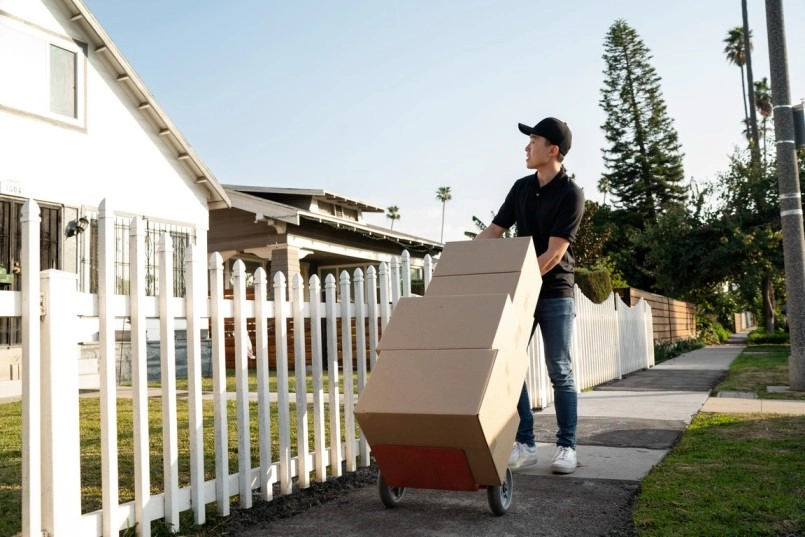
A gap between selling one Colorado home and closing on the next runs anywhere from a few days to several weeks in most cases, and your belongings need somewhere to go in the meantime. Front Range sellers close this gap with a rent-back agreement with the buyer, a self-storage unit, a portable storage container delivered to the driveway, or a combination of all three depending on how long the gap runs and how much needs to move.
Most sellers sort belongings into two piles before the gap starts: what you need daily and what can sit in storage untouched. Winter coats, toiletries, documents and work equipment go in the "need it" pile and travel with you to a short-term rental, a hotel or a family member's house. Furniture, seasonal items, boxes of dishes and anything bulky goes into storage until the new place is ready.
A post-closing occupancy agreement, sometimes called a rent-back, lets a seller stay in the sold home for a set number of days after closing while paying the new owner rent. This is common on the Front Range when a seller's purchase closes a few days or weeks after their sale, and it can remove the need for temporary housing and storage entirely if the timeline is short enough. Ask your agent to negotiate this into the contract early, since it needs buyer agreement up front, not after closing day.
| Unit size | Typical monthly cost, Denver metro |
|---|---|
| 5x5 (closet-sized) | $50 to $90 |
| 10x10 (one bedroom) | $100 to $170 |
| 10x20 (full house) | $180 to $300 |
| Climate-controlled add-on | Adds roughly 20% to 30% to the base rate |
Prices swing by neighborhood and by season, with demand rising in summer during the busiest Front Range moving months. Reserve a unit as soon as you know your closing dates instead of waiting for move week.
Portable self storage buildings get delivered straight to your driveway, so you pack once instead of hauling boxes to a facility and back. For a Front Range seller juggling a short gap, this cuts out a full extra trip and keeps belongings secure and weather-protected between the two closings. Some providers deliver the container to the new address once you're ready, so you unload once instead of twice.
For a gap of only a couple of days, a rented moving truck can work, but it's a weaker option than a proper storage unit or container. Most trucks aren't climate-controlled, and Colorado's summer heat and winter cold both stress furniture, electronics and anything with adhesive or wood veneer sitting in a metal box all day. Rental fees also add up fast if the gap runs longer than planned, and a truck parked on a street overnight is a theft risk a locked unit avoids.
It helps more than it hurts. Colorado's low humidity means mold and mildew, a major problem for stored items in humid states, are rarely an issue here. The tradeoff is temperature swings: a non-climate-controlled unit or trailer can bake in summer sun and drop well below freezing in winter, which is harder on wood furniture, records, electronics and anything with glue or veneer than humidity would be.
It's the cheapest option in many cases and feels less formal than a facility, but it comes with tradeoffs: you're working around someone else's space, schedule and comfort level, and there's no climate control, insurance or assured access if you need something on short notice. It works best for a short gap and a small number of boxes, not a full household of furniture for several weeks.
Ready to find your dream home in Colorado? Let us help you. Call or Text Kenna Real Estate Group at 303-955-4220 to get personalized assistance from our expert real estate agents. Find out what your home is worth in today's market.
Start planning the gap two to three weeks before your sale closes. Reserve a storage unit or container delivery window, confirm your rent-back terms if you're using one, and build a rough day-by-day plan for where you'll sleep and where your belongings will sit each night of the gap.
A non-climate-controlled unit can climb well above 100 degrees on a hot Colorado afternoon, which warps wood veneer, softens glue joints and can crack leather. Choose a climate-controlled unit for wood furniture, electronics and anything with an adhesive component, and keep items off a concrete floor with pallets or a tarp to add another layer of protection.
Freezing temperatures are harder on liquids, electronics and anything with moving parts than most people expect. Drain and store any liquid-filled items separately, keep electronics in climate-controlled storage if the gap runs into winter, and avoid packing anything prone to cracking from a hard freeze into an outdoor container that isn't insulated.
Local Front Range moves run by the hour with a crew of two or three movers in most arrangements, landing in the $150 to $250 per hour range depending on crew size and truck cost, before add-ons for stairs, long carries or specialty items like a piano or a firearm storage cabinet. A local move within the same metro area takes well under a full day for an average household in nearly every case.
Research on moving IS stressful backs up what most sellers already feel by move week, and cutting the volume of what you're storing is one of the fastest ways to lower that load and save money during the gap. A round of donating, selling or trashing items before packing can drop you from a 10x20 unit to a 10x10, which adds up fast over a multi-week gap. This guide to furniture storage before showings covers decluttering strategies that double as staging prep.
A bridge loan or a sale-contingent offer can shrink the gap by letting you close on the new home before your current one sells, which removes the storage question entirely for some sellers. This depends on qualifying for the bridge financing and on how the offer is structured, so talk with your lender and agent early about whether it fits your situation.
Keep closing paperwork, IDs, insurance policies, medical records and anything you'll need for a change-of-address or a new lease in a single folder that travels with you, not in the storage unit. Losing access to these for even a few days during a gap creates unnecessary stress on top of an already busy stretch.
Book two to three weeks ahead if possible, and earlier during the busy summer moving season when Denver metro storage facilities and portable container providers fill up fastest. Waiting until move week limits your choice of unit size, location and price.
The Kenna Real Estate Group helps Front Range sellers line up closing dates, negotiate rent-back terms and plan the gap between homes so belongings, and moving day, stay on schedule. Call or text 303-955-4220. A live person answers. Not a robot, not a phone tree. Ready to start the search for what's next? Search every home for sale in Colorado.
Questions about any home in Colorado? Call or text 303-955-4220. A live person answers.
It ranges from a few days to several weeks in most cases, depending on how your sale and purchase closing dates line up and whether a rent-back agreement is in place.
A post-closing occupancy agreement that lets a seller stay in the sold home for a set number of days after closing while paying the new owner rent, which removes the need for temporary storage in many cases.
A 10x10 unit runs $100 to $170 a month in most cases, with climate control adding roughly 20% to 30% on top of the base rate.
The low humidity helps prevent mold and mildew, but non-climate-controlled units still swing from summer heat to winter cold, which is harder on wood and electronics than humidity would be.
Yes for many sellers, since the container is delivered to your driveway and later to the new address, cutting out an extra trip to a storage facility.
Daily kitchen items, toiletries, chargers, work equipment and anything needed in the first 48 hours at the new place.
Local Front Range moves run $150 to $250 per hour for a crew of two or three in most cases, with add-ons for stairs, long carries and specialty items.
It can, by letting you close on the new home before your current one sells. Talk with your lender and agent early about whether bridge financing fits your timeline.


