.jpg)


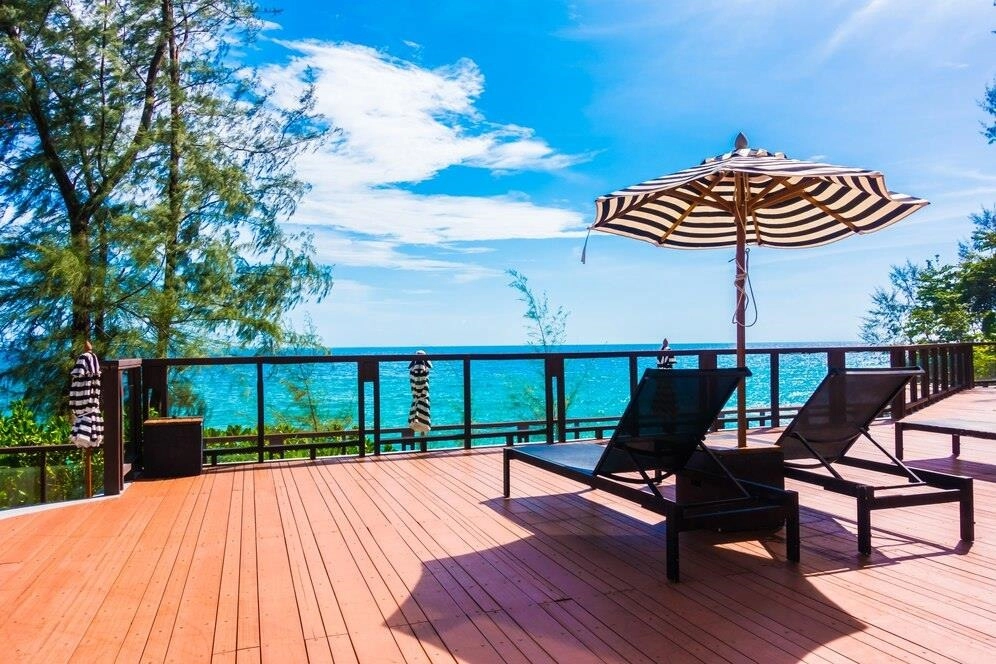
Capped composite and PVC decking are the most durable materials for Colorado's climate, because they resist hail dimpling, hold their color under intense high-altitude UV, and don't warp the way wood does through repeated freeze-thaw cycles. Wood costs less upfront and is easier to repair board by board, which is why the right answer depends on how much maintenance a homeowner wants to take on over the deck's life and how many years they plan to stay in the home.
What Deck Material Holds Up Best Against Colorado Hail?
Capped composite and PVC decking resist hail dimpling better than any wood species, because the hard outer shell spreads impact energy across the board instead of denting under a direct hit. Hail season on the Front Range runs from spring through September, and a single storm with quarter-size or larger stones leaves visible marks on softer boards like cedar or uncapped composite within seconds. Aluminum decking resists hail dents even better than composite, though it costs more and shows scratches differently than a wood-grain finish.
Does Composite Decking Fade Faster at Colorado's Altitude?
UV exposure at Denver's elevation runs roughly a quarter higher than at sea level, and uncapped composite boards without a protective outer layer chalk and fade within a few Front Range summers. Capped composite and PVC boards use a UV-stable outer layer specifically built to resist that fading, which is why manufacturer warranties for color retention matter more in Colorado than in a lower-elevation, cloudier climate.
How Does Freeze-Thaw Damage Wood Decking?
Wood fibers absorb moisture, and when that moisture freezes and expands inside the grain, it splits fibers and loosens fasteners over repeated winter cycles. A Front Range wood deck needs sealing every one to two years to keep moisture out of the grain before the first hard freeze; skip that maintenance and the boards cup, splinter, and pull away from fasteners years before a well-sealed deck would.
Is Aluminum Decking a Good Choice for a Front Range Home?
Aluminum decking resists hail, doesn't rot or warp, and handles snow load well because it doesn't absorb water the way wood does, making it a strong choice for a covered deck or one that stays shaded most of the day. It costs more than composite and can run hot underfoot in direct summer sun, so it fits best on shaded decks or covered structures rather than a deck that sits in full afternoon exposure all season.
What's the Lifespan Difference Between Wood and Composite Decking?
| Material | Front Range Lifespan | Maintenance |
|---|---|---|
| Pressure-treated wood | 10-15 years | Reseal every 1-2 years |
| Cedar or redwood | 12-18 years | Reseal every 1-2 years |
| Uncapped composite | 15-20 years | Occasional cleaning |
| Capped composite or PVC | 25-30 years | Rinse and inspect fasteners |
| Aluminum | 30+ years | Minimal |
Does PVC Decking Crack in Cold Colorado Winters?
Quality PVC decking rated for cold climates holds up through Front Range winters without cracking, but a budget product not rated for temperature swings can turn brittle and crack under a hard freeze or a heavy snow load. Check the manufacturer's cold-weather rating before buying, and ask a local dealer which PVC lines they've seen hold up through several Colorado winters versus which ones came back with warranty claims. A dealer who sells into the Front Range market regularly has a much better read on real-world performance here than a national warranty document written for an average climate.
How Does Snow Load Affect Which Deck Material to Choose?
Every deck material still relies on the framing underneath to carry Front Range snow load, so the decking surface itself matters less for the frame's structural integrity than the joist and beam sizing below it. Where material choice does matter is water absorption: composite and PVC boards shed snowmelt faster than wood, which reduces the freeze-thaw cycling that damages fasteners and connections over time.
What Deck Material Needs the Least Maintenance on the Front Range?
Capped composite, PVC, and aluminum all need far less upkeep than wood, since none of them require sealing or staining and all resist the UV fading that drives most Front Range wood deck maintenance. A homeowner who wants to spend weekends using the deck instead of maintaining it leans toward one of these three, accepting a higher upfront cost for lower year-over-year maintenance.
Does Deck Material Affect Resale Value in Colorado?
A deck that shows visible hail damage, faded boards, or loose fasteners signals deferred maintenance to a Front Range buyer, while a deck in a durable, well-kept material reads as one less project on the buyer's list. See the preparing and adding value before selling guide for how deck condition weighs against other projects, and check which composite decking colors actually wear best for material and color choices that hold up on Colorado listings.
How Do I Know if Hail Has Damaged My Deck Boards?
Look for small dimples or dents in the board surface, splintered wood grain around the impact point, and cracked or chipped finish on composite boards after any storm with hail larger than a dime. Damage that looks cosmetic in spring turns into a moisture entry point by fall, so repair or replace dented boards before the first hard freeze rather than waiting until the following season.
What's the Most Cost-Effective Durable Material?
Capped composite decking sits in the middle: it costs more than pressure-treated wood upfront but needs far less maintenance over a 25 to 30 year life, which makes it the better value once staining, sealing, and board replacement on a wood deck are factored in over the same period. Homeowners planning to sell within a few years sometimes stick with wood to keep upfront cost down, while homeowners planning to stay long-term lean toward composite or PVC.
Can I Mix Deck Materials on One Project?
Yes, and most Front Range decks already do: pressure-treated wood framing carries the structural load underneath, while the visible surface uses composite, PVC, or aluminum for weather resistance. Mixing works well for stairs and railing too, pairing a metal cable railing with composite decking, or a wood-framed pergola over a composite deck surface, since the framing lumber stays hidden from UV and hail exposure entirely.
What Should a Front Range Deck Contract Spell Out for Materials?
A solid deck contract names the exact product line and color, not just "composite" or "PVC," since warranty terms and cold-weather ratings vary by manufacturer and even by product tier within the same brand. It should also specify fastener type, since hidden stainless steel fasteners resist the corrosion that Colorado's freeze-thaw cycles and de-icing chemicals on nearby walkways can cause in lower-grade hardware over a handful of winters.
Where to Go Next
- Search every home for sale in Colorado
- Preparing and adding value before selling
- Goals to set before designing a Colorado deck
- What a deck contract should include
- Talk to a Kenna Real Estate Group agent
Talk to the Kenna Real Estate Group
The Kenna Real Estate Group can tell you which deck materials Front Range buyers notice and which ones matter less once a home is under contract. Call or text 303-955-4220. A live person answers. Not a robot, not a phone tree. Search every home for sale in Colorado to compare outdoor living space across listings.
Homes for sale that match this post
Guides
Questions about any home in Colorado? Call or text 303-955-4220. A live person answers.