.jpg)


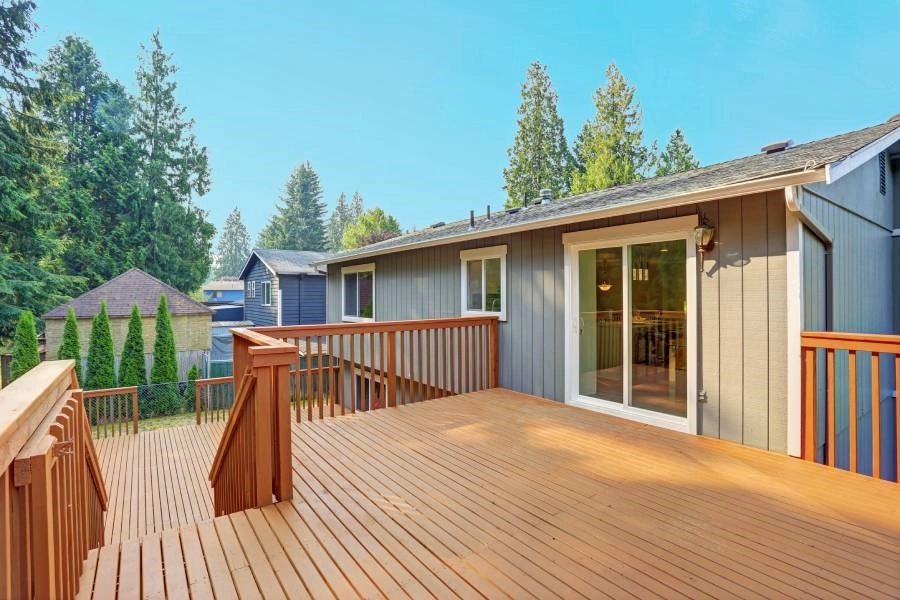
The goals that matter most for a new Colorado deck are structural: a frame engineered for snow load, footings set below the frost line in expansive clay soil, and a permit pulled before the first post goes in the ground. Get those three right first, then layer in material, size, and layout, because a beautiful deck that fails inspection or heaves in year two costs more than the one built correctly from the start.
What Size Deck Fits a Front Range Backyard?
Most Denver metro decks run 200 to 400 square feet, sized to a dining table, a grill zone, and a seating area without crowding the yard. Corner lots and homes on a slope in Golden, Morrison, or the Highlands Ranch foothills split the deck into two levels connected by stairs, which also helps a deck step down a grade without a single wall of railing towering over the patio below.
A deck under 120 square feet reads as an afterthought to most Front Range buyers. A deck over 500 square feet on a standard suburban lot in Aurora or Thornton can crowd the remaining yard and push you into a higher permit review tier, so match the deck to the lot rather than to a photo from a warmer climate.
Do I Need a Permit to Build a Deck in Denver, Aurora, or Colorado Springs?
Nearly every Front Range city requires a building permit for a deck attached to the house or raised more than 30 inches above grade, and most also require one for any deck that needs a guardrail. Denver, Aurora, Lakewood, Colorado Springs, and Fort Collins each review the same basic package: a site plan, footing details, and a structural framing plan stamped by the builder or an engineer for anything unusual. Skipping the permit is the single most common reason a Front Range deck holds up a closing, because the buyer's inspector or the title company flags unpermitted structural work.
How Much Snow Load Does a Colorado Deck Frame Need to Carry?
Front Range building codes size deck framing to the same design snow load as the roof in that jurisdiction, and a single wet spring storm can dump more water weight per square foot than a full winter of dry snow at lower elevations. That means joist spacing, beam size, and post count on a Colorado deck run heavier than a deck plan pulled from a catalog built for a milder climate. A contractor who builds decks along the Front Range every year already knows the local span tables; a contractor from out of state needs to check them first.
Which Deck Material Holds Up Best Against Front Range Hail?
Capped composite decking and PVC decking resist hail dimpling better than uncapped composite or soft woods like cedar, because the hard outer shell distributes the impact instead of denting. Hail season on the Front Range runs from spring through September, and a single storm with quarter-size or larger hail can leave visible marks on softer boards. Pressure-treated wood and hardwoods like ipe cost less upfront and take hail better than they take UV, which is the bigger long-term issue at altitude.
How Does UV at 5,280 Feet Affect Deck Boards?
UV exposure at Denver's elevation runs roughly a quarter higher than at sea level, and it fades pigment and dries out wood fibers faster than the same board would age in a lower, more humid climate. A wood deck on the Front Range needs a fresh stain or sealer every one to two years instead of the three-year interval a coastal deck gets away with, and composite boards without UV-stable caps chalk and fade within a few summers. Check boards each spring for cupping, splintering, and loose fasteners before hosting a full season of gatherings.
How Deep Do Deck Footings Need to Go in Colorado's Clay Soil?
Deck footings on the Front Range go below the local frost line, which most jurisdictions set between 30 and 36 inches, and the expansive bentonite clay common from Denver through Colorado Springs adds a second reason to dig deep and pour a properly sized footing. Clay soil swells when it absorbs moisture and shrinks when it dries out, and a shallow or undersized footing will heave unevenly with the soil, throwing the whole deck frame out of level within a few freeze-thaw cycles. A soils report or a call to the building department for the local frost depth is worth the time before footings go in.
Does My HOA Have to Approve My Deck Design?
Most Front Range subdivisions with a homeowners association require an architectural review committee sign-off before a deck goes up, covering footprint, height, railing style, and sometimes stain color. Submit a site plan and elevation drawing early, because HOA review can add two to six weeks to the timeline on top of the city permit. Read the Denver HOA rules and fees guide before you finalize a design so the drawings you submit to the city match what the HOA will actually approve.
What Orientation Makes a Colorado Deck Usable in Every Season?
A west-facing deck gets brutal summer sun in the hours before dinner, while a deck with morning east or south exposure and afternoon shade from the house or a pergola stays usable through July and August. Because Colorado logs close to 300 sunny days a year, orientation matters more here than in cloudier climates: a shade structure or retractable awning on the hottest exposure turns a deck from a spring-and-fall space into a year-round one.
How Much Does a New Deck Cost in the Denver Metro?
| Deck Type | Typical Denver Metro Cost | Expected Lifespan |
|---|---|---|
| Pressure-treated wood, 300 sq ft | $9,000 - $16,000 | 10-15 years |
| Capped composite, 300 sq ft | $18,000 - $28,000 | 25-30 years |
| Covered deck or pergola add-on | $8,000 - $20,000 | 20-30 years |
Site grading, stairs, multi-level framing, and a covered structure for hail and UV protection all push the price toward the top of each range. Get at least two Front Range-based bids so the framing plan accounts for local snow load and footing depth instead of a generic template.
Does a New Deck Add Resale Value on the Front Range?
A well-built deck sized to the lot and finished in a material that has aged well returns a meaningful share of its cost at resale on the Front Range, and outdoor living space is one of the first things Denver metro buyers ask about given how many days a year get used outside here. See the preparing and adding value before selling guide for how a deck stacks up against other pre-listing projects, and run a Smart Pricing Report before you decide how much to spend.
Do I Need a Licensed Contractor to Build a Deck in Colorado?
Most Front Range cities require a licensed and permitted contractor for any deck attached to the house or built above a certain height, even if the homeowner does some of the labor. A licensed deck builder also carries the insurance that protects you if a subcontractor gets hurt on the job or a footing fails inspection. Ask for the contractor's city license number and pull the permit under that license before signing a contract.
What Happens if a Buyer's Inspector Flags an Existing Deck?
Under Colorado's standard purchase contract, the buyer has an inspection objection deadline to raise concerns like loose railings, undersized footings, or missing permits, and an unpermitted deck is one of the most common objection items on Front Range resale homes. Sellers who pull a retroactive permit or provide contractor documentation before listing avoid a renegotiation during that window. The Colorado home seller's guide walks through what to fix before you list versus what to disclose and leave for the buyer to weigh.
Should a Colorado Deck Be Covered to Handle Hail Season?
A solid roof, a louvered pergola, or a retractable awning protects both the deck surface and outdoor furniture from hail and the intense midday sun between spring and fall. Covered structures add cost and need their own engineering for snow load, since a solid roof collects more weight than an open deck. For homes in Highlands Ranch, Parker, or Castle Rock with larger backyards, a partially covered deck is a common middle ground between full sun exposure and a full enclosure.
What Railing Holds Up to Front Range Wind?
Metal cable and aluminum picket railings shed wind load better than solid glass panels and need less maintenance than painted wood railing, which matters most on exposed lots east of Denver and along the base of the foothills where wind gusts run highest. Whatever railing you choose, confirm the baluster spacing meets code, since that is a common inspection item on both new decks and resale deck evaluations.
Where to Go Next
- Search every home for sale in Colorado
- Preparing and adding value before selling
- Denver HOA rules and fees guide
- Which deck material holds up best in Colorado
- Stone, brick, or concrete for a Front Range patio
- Talk to a Kenna Real Estate Group agent
Talk to the Kenna Real Estate Group
Whether you are adding a deck before you list or sizing one up on a home you are about to buy, the Kenna Real Estate Group can tell you which outdoor projects Front Range buyers actually pay for. Call or text 303-955-4220. A live person answers. Not a robot, not a phone tree. Search every home for sale in Colorado to see how outdoor living space is priced into today's listings.
Homes for sale that match this post
Guides
Questions about any home in Colorado? Call or text 303-955-4220. A live person answers.