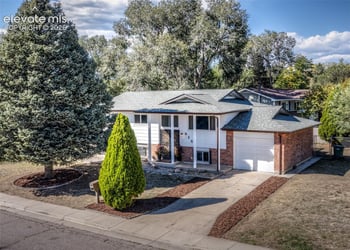
New - 15 Mins Ago
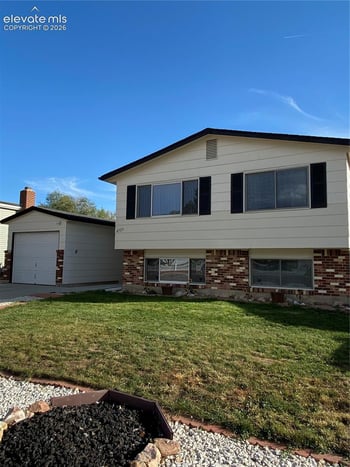
$315,000
Coming Soon
4
Beds
2
Baths
1488
Sqft
0.1446
Acres
4525 S Anjelina Cir, Colorado Springs, CO 80916
MLS#: 2464115
.jpg)


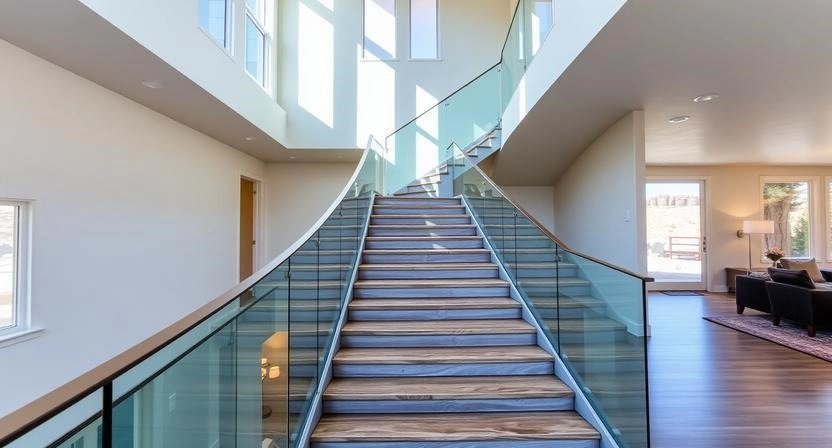
Glass railings and frameless shower enclosures fail for the same reason in Colorado: the surface they mount to moves, and glass does not forgive a mistake. A stair or balcony guardrail sits on wood or concrete that shifts with the Front Range's expansive soils and freeze-thaw cycles; a shower enclosure sits on tile that dries out faster than it would at sea level. Both need more planning than the finished product suggests, and both show every flaw in that planning once the glass goes in.
Four mistakes account for most callbacks: measurements taken without allowing for real-world tolerances, mounting hardware chosen for looks instead of load rating, skipped local code review, and panels installed out of alignment with the surrounding trim. None of them show up until the installer is gone and the homeowner notices a gap, a wobble, or a panel that catches light unevenly.
Colorado cities and counties adopt the International Residential Code (IRC) or International Building Code (IBC), which set a 36-inch minimum guardrail height on most residential decks and stairs (42 inches on some commercial and multifamily work), require tempered or laminated glass built to resist impact, and limit gaps so a 4-inch sphere cannot pass through. Denver, Aurora, Lakewood, Littleton, and Colorado Springs each run their own plan review and inspection on top of the base code, so a design approved in one city is not automatically approved in the next.
Yes, in nearly every case. A new or replaced guardrail on a deck, balcony, or interior stair over 30 inches high needs a building permit and inspection in Denver and most Front Range cities, since it is a structural, code-required guardrail. Skipping the permit leaves a homeowner without proof the railing meets code when the home sells and an appraiser or inspector flags it.
Yes. Homes on expansive bentonite clay soils, common in parts of Highlands Ranch, Castle Rock, Parker, and Aurora, see small seasonal movement in a deck's footings and posts. A glass panel mounted to a post that shifts a fraction of an inch over a season can bind, crack at a stress point, or open a gap wider than code allows. A base shoe mount with slotted hardware built for adjustment handles that movement better than a rigid post mount.
The Front Range runs 200-plus freeze-thaw cycles a year. Water that gets into a base shoe channel or a post anchor freezes, expands, and works hardware loose over a few winters. A properly sealed base shoe with a weep path for water to drain out prevents that buildup; a base shoe installed without one is one of the most common reasons an exterior glass railing needs hardware replaced within 5 years.
Most Front Range HOAs review any change visible from the exterior, and a glass railing replacing a wood or metal one qualifies. Submit the design for architectural approval before ordering glass, since some HOAs restrict frameless systems or require a specific post color and finish to match the community's standard.
Both use tempered glass, but a shower enclosure is not a structural guardrail under building code, so it does not carry the same height and gap rules. It does carry its own set of problems: hard water spotting, a door that needs to swing clear of a toilet or vanity in a tight Denver metro bathroom, and a base that has to be perfectly level for the door to seal against water.
Yes, more so than an exterior railing. Front Range water runs 7 to 15 grains per gallon of hardness, and daily shower use leaves mineral spotting on glass within weeks without a squeegee habit or a protective coating applied at install. A frameless enclosure with fewer metal channels to trap water and mineral buildup cleans easier over the long run than a framed one.
Yes, for anything that functions as a guardrail. A glass railing company that specializes in load calculations, code-compliant hardware, and Front Range soil and freeze-thaw conditions catches problems a general contractor without glass-specific experience misses. For a shower enclosure, the stakes are lower, but a professional still gets the door swing, level base, and seal right the first time.
A frameless shower enclosure runs $1,800 to $4,500 installed for a standard stall, depending on glass thickness (3/8-inch versus 1/2-inch) and door hardware finish. A custom configuration around an irregular tile pattern or a curved wall adds $500 to $1,500.
Exterior glass railing runs $150 to $250 per linear foot installed, more than aluminum or cable railing, because of the tempered glass, the load-rated base shoe, and the code review most cities require. A typical 20-foot deck railing runs $3,000 to $5,000.
Buyers touring a Denver metro home notice an updated, code-compliant glass railing on a deck or interior stair as a finished, modern detail, particularly on homes built before 2005 with older wood or wrought-iron railings. It reads as an upgrade rather than a required repair, which helps at showings even though it rarely appears as its own line item in an appraisal.
Ask three questions before signing a contract: does the company pull the permit and coordinate the city inspection, does the quote list glass thickness and hardware brand rather than just linear footage, and what warranty covers hardware and seal failure. A company that skips any of the three on a written quote is the one that leaves a homeowner covering a fix after the first hard freeze.
| Railing type | Cost per linear foot | Freeze-thaw durability |
|---|---|---|
| Glass (frameless or framed) | $150 to $250 | High, with a properly sealed base shoe |
| Cable railing | $100 to $175 | High, needs periodic tension checks |
| Aluminum picket | $60 to $110 | High, low maintenance |
| Wood | $40 to $80 | Lowest, needs refinishing every 2 to 4 years |
Deck and stair railings come up on nearly every Front Range home inspection. The Kenna Real Estate Group can point to what a specific city's building department will flag before a home goes on the market. Call or text 303-955-4220. A live person answers. Not a robot, not a phone tree. Start today and search every home for sale in Colorado.
Questions about any home in Colorado? Call or text 303-955-4220. A live person answers.
Incorrect measurements, mounting hardware chosen for looks over load rating, and skipped code review are the most common issues in Colorado.
Yes, almost always. A guardrail is a structural, code-required feature, and Denver and most Front Range cities require a permit and inspection.
Yes, on expansive clay soils common in Highlands Ranch, Castle Rock, Parker, and Aurora. Slotted, adjustable hardware handles seasonal post movement better than a rigid mount.
A standard stall runs $1,800 to $4,500 installed, depending on glass thickness and hardware finish.
Glass railing runs $150 to $250 per linear foot installed in the Denver metro, more than aluminum or cable railing.
Yes. Front Range water runs 7 to 15 grains per gallon of hardness, which spots glass within weeks without regular squeegeeing or a protective coating.