.jpg)


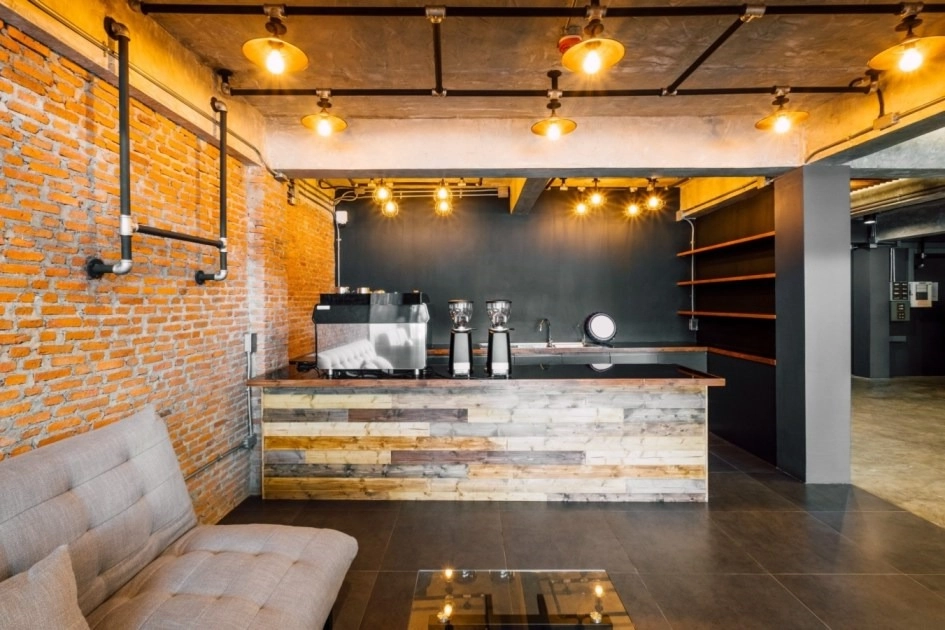
A restaurant build-out in Colorado runs through more regulatory review than almost any other commercial renovation, kitchen ventilation, fire suppression, health department inspection, and frequently a zoning use review before the first wall comes down. The questions below sort out which of that is the contractor's job, which is the landlord's, and which the owner needs to confirm directly.
Does Denver Require a License for a Commercial Renovation Contractor?
Colorado has no statewide general contractor license, but Denver requires licensed contractors for most trades, electrical, plumbing, and mechanical among them, so any contractor working inside Denver city limits needs current city-issued trade licenses regardless of how long they've operated elsewhere. Ask to see the actual license numbers and confirm them with Denver's licensing office before signing, not just take the contractor's word for it.
What Health Department Approvals Does the Renovation Need?
A commercial kitchen renovation in Colorado needs health department review of layout, ventilation, handwashing stations, and food storage areas before the space can reopen for service. A contractor experienced with restaurant projects will know the local health department's plan review process and submit renovation drawings for that review alongside the building permit, not after construction starts.
Does a Restaurant Kitchen Need a Separate Fire Suppression Permit?
Yes. Commercial kitchen hood and fire suppression systems require their own permit and inspection, separate from the general building permit, and this is one of the most common points where a restaurant renovation timeline slips if it isn't scheduled early. Ask a contractor for a specific example of a recent kitchen hood permit they pulled in the same jurisdiction.
Should a Restaurant Owner Buy or Lease the Commercial Space?
Buying gives an owner control over renovation timing and the ability to build equity in the property, but it also means carrying the full cost of code upgrades and future maintenance. Leasing shifts long-term ownership costs to the landlord but limits how much renovation the tenant can do without landlord approval in most cases, and the tenant improvement allowance in the lease determines how much of the build-out cost the landlord covers. This buy-vs-lease decision is worth working through with a Colorado commercial real estate resource before signing either a purchase contract or a lease.
What Zoning Review Applies to a Restaurant Renovation in Denver?
A change from one type of commercial use to a restaurant, or a significant expansion of an existing restaurant's footprint, can trigger a zoning use review in Denver separate from the building permit. Confirm with the city whether the specific address and use combination needs that review before signing a lease tied to a renovation timeline.
Does a Landlord or Tenant Pay for Build-Out Permits?
This depends entirely on the lease. Some commercial leases put permit costs and code-upgrade responsibility on the tenant, others build it into the landlord's tenant improvement allowance. Get this in writing before the renovation contract is signed, since permit and code-upgrade costs on a restaurant build-out can run well past the original estimate.
What Questions Confirm Real Restaurant Experience?
Ask for specific examples of restaurant projects completed in the same jurisdiction, references from those restaurant owners, and how the contractor handled an unexpected code issue on a past project. A restaurant renovations contractor with a track record in commercial kitchen work will answer these specifically; a contractor who works mostly in residential or general commercial spaces will not, and that's worth knowing before signing.
What Insurance Should a Restaurant Renovation Contractor Carry?
Confirm general liability coverage, workers' compensation, and, ideally, a builder's risk policy that covers the space during construction, before any demolition starts. A restaurant renovation involves gas lines, commercial electrical loads, and a working kitchen next door in a shared building, so the insurance bar is higher here than on a typical home remodel. Ask to see current certificates naming the landlord as an additional insured if the lease requires it.
How Does a Mechanic's Lien Affect a Commercial Tenant Improvement Project?
If a general contractor or subcontractor isn't paid on a commercial build-out, Colorado's mechanic's lien statute lets them file a lien against the property, not just the tenant's business, so a landlord has a real interest in confirming subcontractors are being paid throughout the project. Ask for lien waivers at each payment milestone to keep this from becoming a problem after the renovation is finished.
How Long Does a Restaurant Renovation Take in the Denver Metro?
A refresh of an existing space, new flooring, paint, and fixtures, can run 4 to 8 weeks. A full kitchen and dining room rebuild with new hood and fire suppression systems commonly takes 4 to 6 months once permitting, health department review, and inspections are factored in. Every week the space is closed is lost revenue, so a realistic timeline from the contractor matters more here than in most residential renovations.
What Happens If a Contractor Finds a Code Violation Mid-Project?
Opening up an older commercial space frequently reveals wiring, plumbing, or structural issues that weren't visible during the walkthrough, and Colorado code requires bringing the affected system up to current standards once it's exposed, not just patching around it. Ask a contractor how they price and communicate this kind of discovery before it happens, since it's one of the most common sources of a restaurant renovation running over budget.
Does a Restaurant Renovation Affect a Commercial Property's Resale Value?
A renovation done with proper permits, current code compliance, and documented fire suppression inspections adds real value for a future buyer or tenant, while unpermitted kitchen work can become a liability an owner has to disclose and resolve before selling the property. Keeping permit records organized throughout the renovation protects the investment on the way out, not just during the build.
Does ADA Accessibility Review Apply?
Yes, a renovation that touches the entrance, restrooms, or dining area triggers accessibility requirements under both federal and Colorado standards, and this review is separate from the health department and fire suppression permits. Confirm the contractor is pricing accessibility upgrades into the bid, not treating them as a change order that surfaces mid-project.
What Questions Confirm a Contractor Has Real Restaurant Experience?
Ask for two or three references from restaurant owners specifically, not general commercial clients, and call them. Ask whether the project finished on the original timeline, how change orders were communicated, and whether the contractor's crew respected agreed-upon work hours around a business trying to stay partially open. Those answers say more about fit than a portfolio of finished photos.
Where to go next
- Colorado real estate investing guide
- Denver fix and flip guide: what to check before you buy
- Denver property taxes: how the bill works
- Denver special district and metro district tax guide
- Future-proofing a Denver commercial property with sustainable upgrades
- Colorado's best insurance companies for contractor businesses
Talk to the Kenna Real Estate Group
The Kenna Real Estate Group works with Colorado investors and business owners weighing whether to buy or lease commercial space for a restaurant renovation, and connects buyers with the zoning and permit picture before an offer goes in. Call or text 303-955-4220. A live person answers. Not a robot, not a phone tree. Or search every home and property for sale in Colorado.
Homes for sale that match this post
Guides
Questions about any home in Colorado? Call or text 303-955-4220. A live person answers.