New - 1 Hour Ago
$699,000
Active
3
Beds
3
Baths
1738
Sqft
1.66
Acres
2570 Lawrence St #205, Denver, CO 80205
MLS#: IR1071277
.jpg)


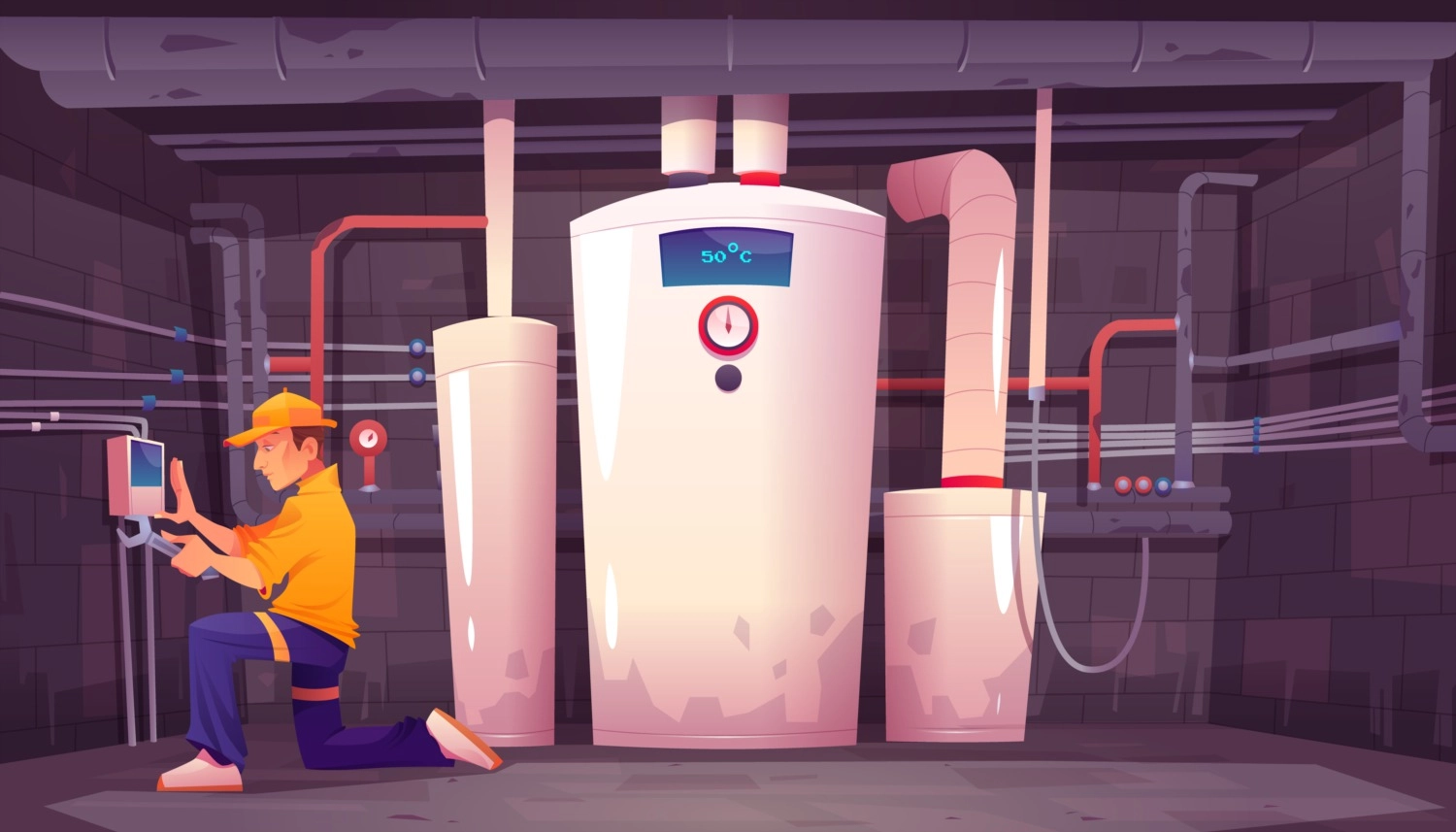
A boiler that stops heating a Colorado home in January is not a wait-and-see problem. Radiant and hydronic heat systems are common in Denver's older housing stock, and a failure in the coldest months puts both comfort and, in some cases, frozen-pipe risk on the line until it gets fixed. Knowing what to check first, what a repair runs, and what Colorado law requires around carbon monoxide protection turns a stressful call into a straightforward one.
Confirm the thermostat has power and is calling for heat, check that the boiler's power switch and circuit breaker are both on, and look at the pressure gauge, most residential boilers run between 12 and 15 psi when cold. A pressure reading near zero points to a leak or a system that needs a refill through the boiler's feed valve. If the pilot light or ignition system will not stay lit, that points to a gas supply, venting, or control-lockout issue that calls for a licensed technician rather than repeated relighting attempts.
Older Denver, Capitol Hill, and Baker homes built before 1970 frequently run a conventional boiler feeding cast iron radiators, a setup that delivers even, dry heat well suited to Colorado's low humidity but needs its own separate cooling system since it moves no air.
| Issue | Typical Front Range Cost |
|---|---|
| Pressure or valve reset | $150 to $350 |
| Igniter or pilot assembly repair | $250 to $600 |
| Circulator pump replacement | $400 to $900 |
| Full boiler replacement | $5,000 to $12,000 |
Repair costs scale with the boiler's age and complexity, and a combination boiler with both heating and hot water components costs more to service than a conventional heat-only unit.
A cracked heat exchanger, a blocked flue, or improper venting on a gas boiler can push carbon monoxide into a home instead of outside, and that risk climbs with an aging or poorly maintained unit. Carbon monoxide has no smell or color, which is exactly why a working detector matters more than any visible warning sign the boiler itself gives.
Colorado Revised Statutes 38-45-101 requires a working carbon monoxide alarm in any residential property with a fuel-fired appliance, fireplace, or attached garage before a sale or new lease closes. A home with a gas boiler falls squarely under this requirement, and sellers along the Front Range need a functioning detector installed near sleeping areas before closing, not just recommended as good practice.
A well-maintained boiler runs 15 to 25 years, longer than a typical forced-air furnace, though efficiency drops in the final several years of that range. As a rule of thumb, a repair that costs more than 40% of a new unit's installed price points toward replacement rather than another repair, especially on a boiler already past 18 to 20 years old.
Denver's 5,280-foot elevation and Colorado Springs' similar altitude reduce oxygen density available for combustion, and boilers installed without an altitude adjustment to the gas orifice or burner settings run inefficiently and trigger protective lockouts more frequently. A licensed technician sets combustion for Front Range altitude during installation, which is one more reason altitude-specific experience matters when choosing who does the work.
Natural gas pricing through Xcel Energy varies by season, with winter heating months carrying the highest per-therm cost of the year in most years. A boiler's combustion efficiency rating, printed as an AFUE percentage on the unit's nameplate, directly sets how much of that gas cost turns into heat versus exhaust: an older 65% AFUE boiler wastes over a third of every therm burned, while a modern condensing boiler recovers 90% or more.
A boiler failure during a hard Front Range freeze puts more than comfort at stake. Pipes running through exterior walls, crawl spaces, or an uninsulated basement can freeze within hours once indoor temperatures drop far enough, which is why a broken boiler in January calls for same-day attention rather than scheduling around a technician's next open slot. Opening cabinet doors under exterior-wall sinks and keeping a trickle of water running at the farthest fixture buys time while repair is arranged.
A full boiler swap needs a mechanical permit and inspection in Denver, Aurora, Lakewood, and most Front Range jurisdictions, since the work involves gas supply, venting, and pressure-relief components. A licensed plumber or HVAC contractor pulling the permit protects a homeowner from an unpermitted-equipment flag showing up during a future sale.
A short walk-through covers most of what an inspector checks: confirm the service tag shows an annual inspection, test the pressure gauge cold and running, listen for banging or kettling at startup, and confirm a working carbon monoxide alarm sits near every sleeping area. Ask for the printable checklist in the form below and we email it the same day.
An inspector who finds an aging, unmaintained, or improperly vented boiler during the inspection objection period will flag it, and Colorado's carbon monoxide alarm requirement adds a hard compliance item on top of the mechanical condition question. Sellers who service the boiler and confirm a working detector before listing keep that conversation off the negotiating table, and a documented service record supports the numbers in a Smart Pricing Report.
The Kenna Real Estate Group helps Front Range sellers meet Colorado's carbon monoxide alarm requirement and document heating system condition before listing, and helps buyers weigh a boiler's age and maintenance history before writing an offer. Call or text 303-955-4220. A live person answers. Not a robot, not a phone tree. Ready to look at homes instead? Search every home for sale in Colorado.
Questions about any home in Colorado? Call or text 303-955-4220. A live person answers.
Confirm the thermostat is calling for heat, check the power switch and breaker, and read the pressure gauge. A pressure reading near zero points to a leak or a system that needs a refill.
A combination boiler heats both the home and domestic hot water from one unit. A system boiler uses a separate storage cylinder, giving stronger hot water flow to multiple bathrooms in larger homes.
Yes. Colorado Revised Statutes 38-45-101 requires a working carbon monoxide alarm in any home with a fuel-fired appliance, fireplace, or attached garage before a sale or new lease closes.
A well-maintained boiler runs 15 to 25 years. A repair that costs more than 40% of a new unit's installed price, especially on a unit past 18 to 20 years old, points toward replacement instead.
Yes. Thinner air reduces combustion oxygen, and a boiler installed without an altitude-adjusted burner setting runs inefficiently and trips protective lockouts more frequently.
Yes, in most Front Range jurisdictions, since the work involves gas supply, venting, and pressure-relief components. A licensed contractor pulling the permit protects against an unpermitted-work flag at resale.
A pressure or valve reset runs $150 to $350, an igniter repair runs $250 to $600, and a circulator pump replacement runs $400 to $900. Full replacement runs $5,000 to $12,000.
It can. An inspector who finds an aging or improperly vented boiler flags it during the inspection objection period, and the carbon monoxide alarm law adds a hard compliance requirement on top of that.