New - Just Now
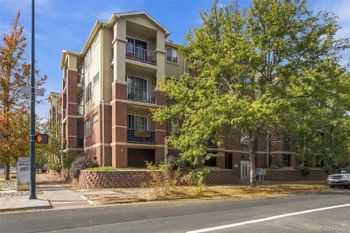
$419,900
Coming Soon
2
Beds
2
Baths
1177
Sqft
--
Acres
1415 N Washington St #203, Denver, CO 80203
MLS#: 9586270
.jpg)


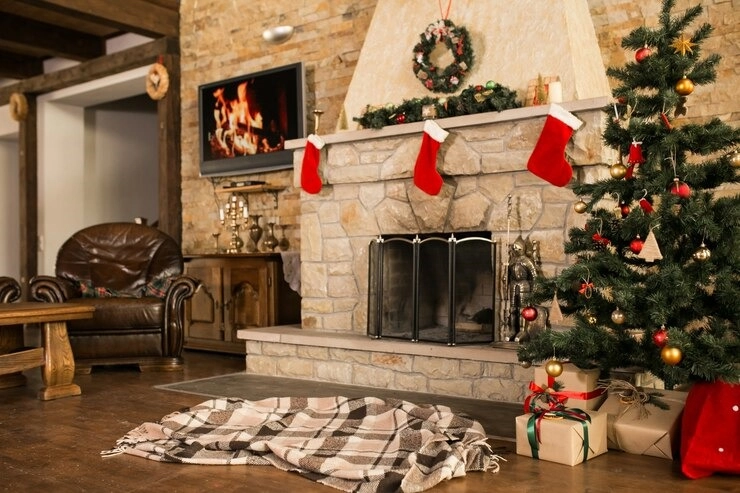
Colorado's altitude, long heating season, and mix of gas furnaces, fireplaces, and attached garages make carbon monoxide detection a bigger issue here than in many states. Here is what Colorado law requires, how altitude changes the risk, and what every Front Range homeowner and buyer needs to know about detectors before winter.
Carbon monoxide is a colorless, odorless gas produced by burning fuel — natural gas, propane, wood, or gasoline — without complete combustion. At 5,280 feet, the air holds roughly 17% less oxygen than at sea level, which changes how efficiently fuel-burning appliances combust and makes correct venting and appliance tuning more important here than at lower elevations.
Yes. Colorado's Carbon Monoxide Alarm statute requires a working detector within 15 feet of every bedroom entrance in single-family homes, condos, and rentals built with a fuel-fired appliance, fireplace, or an attached garage. Landlords across the Front Range are required to install and maintain them, and a detector missing or disconnected at move-in is a lease violation a tenant can raise.
Within 15 feet of each bedroom door, on every level of the home including the basement, and near (not directly above) any attached garage entry. A detector installed too close to a furnace or kitchen can produce nuisance alarms; one installed too far from sleeping areas defeats the purpose of the 15-foot rule.
A blocked or disconnected furnace vent, a cracked heat exchanger, a car left running in an attached garage, a portable generator run inside a garage or too close to windows during a power outage, and a gas fireplace or water heater with a failing flue account for most cases seen across the Denver metro.
A furnace or water heater vent pipe blocked by drifted or piled-up snow after a storm cannot exhaust combustion gases correctly, and that backup can push carbon monoxide back into the house. Clearing snow away from every exterior vent pipe after a storm is a five-minute check that matters most during the exact weather that makes people close every window and run the furnace hardest.
Yes, if the flue is blocked, the glass door seal has failed, or the unit was installed without correct venting. A gas fireplace should be serviced on the same annual schedule as a furnace, and any fireplace that has not been serviced since it was installed is worth a technician visit before the next cold stretch.
A generator run inside a garage, even with the door open, or positioned near a window or vent, can push carbon monoxide into the house within minutes. Generators need to run at least 20 feet from the home, pointed away from windows and doors, every time — there is no exception for a short outage.
Headache, dizziness, nausea, and confusion are the earliest signs, commonly mistaken for the flu because they overlap so closely. Anyone in a home who develops these symptoms and feels better after going outside should treat that as a signal to check detectors and call for help, not coincidence.
Test the button monthly, replace batteries twice a year (tying it to daylight saving time changes is an easy way to remember), and replace the entire unit every 5 to 10 years depending on the manufacturer's date stamp. A detector past its replacement date reads as compliant to the eye but no longer senses gas with full accuracy.
Colorado's Carbon Monoxide Alarm statute puts the installation and upkeep duty on the landlord for any rental with a fuel-fired appliance, fireplace, or attached garage. A tenant who finds a missing, disconnected, or dead unit at move-in should put the request in writing to the landlord or property manager and keep a copy; a landlord who does not respond within a reasonable window is out of compliance with state law.
Yes, a combination unit satisfies both the smoke alarm and carbon monoxide alarm placement rules as long as it sits within 15 feet of each bedroom door and on every level of the home, including a finished basement. Combination units cost slightly more per unit than a single-purpose smoke alarm but cut the number of devices a homeowner has to test and replace on two separate schedules.
Yes. Any fuel that burns without complete combustion produces carbon monoxide, and a wood-burning fireplace or stove with a blocked or cracked flue, or a damper left closed while a fire burns, pushes gas back into the house the same way a gas furnace with a bad vent does. Annual chimney and flue inspection matters as much for a wood-burning unit as an annual furnace tune-up matters for a gas system.
Yes. A standard Front Range home inspection checks for detector presence and placement relative to bedrooms, and notes an outdated furnace or a heat exchanger showing cracks as a related concern on the report.
The seller property disclosure form asks about the presence and condition of detectors along with the rest of the mechanical systems. Installing or testing detectors before listing is a low-cost item that removes an easy inspection objection.
Ask the furnace's age and last service date, confirm detectors are present near every bedroom and in the basement, and look at any gas fireplace's service history. All three take a few minutes during a showing.
A car left running in an attached garage, even briefly with the garage door open, can push measurable carbon monoxide into the connected living space through the shared wall and door. Colorado's 15-foot bedroom rule accounts for this, which is why homes with an attached garage need a detector on the entry wall in addition to bedroom-area units.
Get everyone outside immediately, call 911 or the gas company's emergency line from outside the home, and do not go back in until the fire department or gas company confirms the air has cleared. Do not spend time hunting for the source before leaving.
A home with current, correctly placed detectors and documented furnace service shows as well maintained without a word being said, and it removes a line item from the buyer's inspection objection. Reflecting recent furnace service and detector installation in a Smart Pricing Report keeps that value with the seller.
Ask for the printable Colorado carbon monoxide detector placement checklist in the form below and we email it the same day.
Whether it is confirming detector placement before listing or reading a home inspection report line by line with a buyer, the Kenna Real Estate Group walks Front Range clients through what the furnace, fireplace, and garage mean for a sale. Call or text 303-955-4220. A live person answers. Not a robot, not a phone tree. Search every home for sale in Colorado to start looking today.
Questions about any home in Colorado? Call or text 303-955-4220. A live person answers.
One within 15 feet of every bedroom entrance, on every level of the home, in any property with a fuel-fired appliance, fireplace or attached garage.
Yes, even with the door open. Generators need to run at least 20 feet from the home, pointed away from windows and doors, every time.
Yes, a vent pipe blocked by drifted or piled snow cannot exhaust combustion gases correctly, which can push carbon monoxide back into the house.
Yes, under Colorado's Carbon Monoxide Alarm statute. A tenant who finds a missing or dead unit at move-in should notify the landlord in writing.
5 to 10 years depending on the manufacturer's date stamp, with batteries replaced twice a year even if the unit itself is newer.
Headache, dizziness, nausea and confusion, commonly mistaken for the flu because the symptoms overlap so closely.
Yes, any fuel that burns without complete combustion does, so a blocked flue or closed damper on a wood-burning unit carries the same risk as a bad furnace vent.


