New - Just Now
.jpg)



Professional landscaping buys a Colorado homeowner three things a weekend project rarely delivers: a design built around Denver Water's irrigation rules, soil work that corrects the Front Range's dense clay, and plant choices that survive a short growing season, hail, and 300 days of intense sun. That combination is why a designed yard here holds up while a store-bought plant palette from a national catalog struggles by its second summer.
A landscaper who works the Front Range every season already knows which plants come back after a hard freeze, how deep to amend clay soil before planting, and which irrigation zones need separate schedules under Denver Water's rules. That local knowledge shows up in the details: drip lines instead of overhead spray on beds, plant spacing that accounts for our short growing season, and grading that moves water away from the foundation instead of pooling against it.
Hand off the permit research, the irrigation design, and the plant sourcing to a professional and the project moves faster than a homeowner learning Front Range conditions from scratch. A professional design also plans for maintenance from day one: which beds need spring cleanup, when to cut back perennials before the first fall frost, and how to winterize the irrigation system before the first freeze hits the lines.
For homeowners weighing a full redesign against smaller phased projects, a landscaper can map out a multi-year plan that spreads the cost across seasons while still tying the design together from the start, rather than a patchwork of unrelated projects added one at a time.
Xeriscape is not a rock yard with no plants; it is a design method that groups plants by water need, uses drought-tolerant Colorado natives and adapted species, and cuts irrigated turf down to the areas where a lawn actually earns its water. A well-designed xeriscape yard uses a fraction of the water a traditional Kentucky bluegrass lawn needs while still delivering color from spring through fall. Colorado law protects a homeowner's right to install drought-tolerant landscaping, so an HOA cannot flatly ban xeriscaping, though most still require a design submission through architectural review.
Denver Water and most other Front Range utilities set a summer watering schedule that limits which days of the week outdoor irrigation runs and restricts watering during the hottest hours of the day, with rules published and updated each year on the utility's website. A professional landscaper designs the irrigation controller and zones around that schedule from the start, instead of a homeowner discovering the restriction after installing a system that assumes daily watering.
No. Colorado law bars a homeowners association from prohibiting xeriscaping or other drought-tolerant landscaping outright in its governing documents, though the HOA still sets reasonable design standards for plant selection, mulch color, and bed edging. Check the Denver HOA rules and fees guide before submitting a landscape plan, and bring photos of comparable approved yards in the neighborhood to speed up the review.
The Front Range growing season runs roughly from the last hard frost in spring to the first hard frost in fall, shorter than most of the country because of elevation, and a late frost can still hit after warm spring days have already tempted homeowners to plant. A landscaper tracks local frost dates by neighborhood, since Boulder, Denver, and Colorado Springs each see slightly different timing, and plants tender annuals and vegetables only after that risk passes.
Native and regionally adapted perennials like Rocky Mountain penstemon, blue grama grass, and Colorado natives bred for freeze-thaw survival hold up far better than plants selected from a national big-box display built for a different climate. Freeze-thaw cycling heaves shallow-rooted plants right out of the ground over a single winter, so root depth and cold hardiness zone matter more here than they do in a climate with one steady cold season.
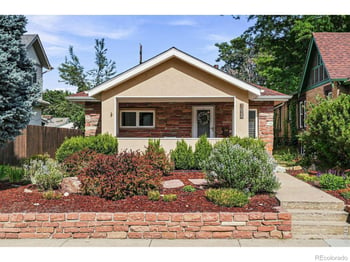
A well-designed, low-water yard is one of the first things a Front Range buyer notices walking up to a listing, and it signals lower future water bills and less upkeep to a buyer weighing two similar homes. See the preparing and adding value before selling guide for how landscaping compares to other pre-listing projects, and check the xeriscaped homes buyer's guide for what Colorado shoppers now expect from an outdoor space.
Much of the Denver metro sits on dense, expansive clay that drains slowly, compacts hard when dry, and swells when wet, which suffocates plant roots that need oxygen and drainage. A professional crew works compost and soil amendments into beds before planting and grades the yard so water sheds away from the house, both steps a homeowner following a generic national planting guide skips. Getting the soil work right the first time is one of the biggest advantages a Front Range crew brings to a landscaping project, since redoing beds after plants fail costs more than amending the soil upfront.
Planting beds and irrigation do not need a permit in most Front Range jurisdictions, but retaining walls above a certain height, grading that changes drainage onto a neighbor's lot, and any structure like a patio, pergola, or fire pit do. Front Range cities each set their own thresholds, so confirm with the local building department before a project moves past simple planting.
| Project | Typical Denver Metro Cost |
|---|---|
| Xeriscape redesign, average front yard | $6,000 - $15,000 |
| Soil amendment and new sod, 1,000 sq ft | $2,500 - $5,000 |
| Drip irrigation system install | $3,000 - $8,000 |
Cost swings with lot size, how much existing turf comes out, and whether the design adds hardscape like a patio or retaining wall. Ask any bid to break out plant material, irrigation, soil work, and labor separately so you can compare bids on equal terms.
UV exposure at Denver's elevation runs roughly a quarter higher than at sea level, which fades foliage color and dries out shallow-rooted plants faster than the same species would experience at lower elevation. A landscaper who designs for altitude picks plants rated for intense sun and pairs them with mulch depth that holds soil moisture longer between waterings.
Homes in the foothills around Golden, Morrison, and Evergreen fall under Colorado State Forest Service defensible space guidance, which calls for lean, clean plant spacing closest to the house and keeps resinous shrubs like juniper away from the structure. A landscaper familiar with foothills properties designs the beds nearest the home with fire-resistant, well-spaced plantings and saves denser plantings for zones farther from the house.
The Kenna Real Estate Group can tell you which landscaping projects Front Range buyers notice first and which ones matter less at resale. Call or text 303-955-4220. A live person answers. Not a robot, not a phone tree. Search every home for sale in Colorado to see how outdoor space is showing up in listings near you.
Questions about any home in Colorado? Call or text 303-955-4220. A live person answers.
No, xeriscape design groups plants by water need and uses drought-tolerant Colorado natives and adapted species, keeping color and texture while cutting irrigated turf to the areas that earn their water.
No, Colorado law bars an HOA from prohibiting drought-tolerant landscaping outright, though the association still sets reasonable design standards through architectural review.
Denver Water and most Front Range utilities limit which days and hours outdoor irrigation can run each summer, publishing the current schedule on their website; a landscaper designs irrigation zones around it from the start.
Much of the Denver metro sits on dense clay that drains slowly and compacts hard when dry, so working compost into beds before planting gives roots the oxygen and drainage they need.
A well-designed, low-water yard signals lower future water bills and less upkeep to buyers, making it one of the first things noticed walking up to a Front Range listing.
The season runs from the last hard frost in spring to the first hard frost in fall, and timing shifts by neighborhood and elevation across Denver, Boulder, and Colorado Springs.
Planting and irrigation do not need a permit in most Front Range jurisdictions, but retaining walls above a set height, drainage changes, and structures like patios or fire pits do, so check with the local building department first.