Open: Sat 1:00 PM - 4:00 PM

.jpg)


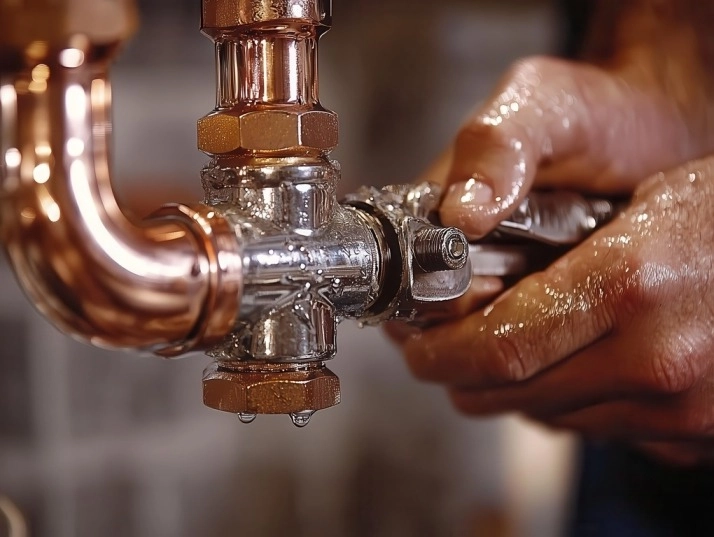
DIY leak repairs fail faster in Colorado than in wetter, milder climates because the state's low humidity, big daily temperature swings, freeze-thaw winters, and expansive clay soils all work against the glues, gaskets, and seals a repair depends on. A fix that holds for years in a humid, mild climate can fail within weeks at 5,280 feet, which is why a repeat leak points to the repair method, not the homeowner's effort, as the problem.
Front Range humidity sits far below national averages most of the year, which dries out rubber gaskets and O-rings faster than the packaging on a hardware-store repair kit accounts for. Add UV exposure at altitude, which breaks down plastic and rubber compounds faster than at sea level, and a seal rated for years of service in a milder climate can crack within months outdoors or in an uninsulated crawl space.
Colorado's winters bring repeated freeze-thaw swings, sometimes within the same week, and a pipe that freezes and expands even once can develop a hairline crack that does not leak until the next thaw. A DIY patch on a pipe that has already been through a freeze cycle fails again at the next cold snap in most cases, because the surrounding pipe has weakened even where it looks intact.
Much of the Front Range sits on expansive bentonite clay soil that swells when wet and shrinks when dry, and that movement stresses the pipes running under a home's slab. A slab leak that seems minor at first can shift and reopen a DIY repair as the soil moves through a normal wet-dry cycle, which is a failure mode a homeowner working from a national DIY guide does not expect.
Much of Colorado's Front Range has moderately hard to hard water, and mineral buildup inside fittings and valves makes a DIY compression fitting or slip joint harder to seat correctly than the same repair in a soft-water region. Learn more about what water hardness does to plumbing before choosing a fitting type for a repair.
Standard plumber's putty, some PVC cements, and generic rubber washers are rated for a climate range that does not match Colorado's combination of dry air, intense sun, and wide daily temperature swings. Plumbers who work in other dry, high-temperature-swing markets, such as a plumbing company serving the Las Vegas desert, see the same gasket and seal failures Colorado homeowners run into at altitude, and use materials rated for that climate instead of a generic kit.
Insulate exposed pipes in a garage, crawl space, or unheated basement before the first hard freeze, since a Colorado repair that fails is almost always one that was never rated for the climate the pipe sits in. Check exposed fittings each fall for early signs of a cracked seal or a mineral crust from hard water, and replace a rubber gasket showing surface cracking before it fails outright rather than after. A five-minute seasonal check under every sink and around every water heater connection catches most problems while they are still a cheap fix instead of a weekend emergency.
Call a professional when a leak returns after a repair, when a fix involves a supply line under pressure rather than a simple drain trap, when water has reached drywall or subfloor, or when the leak is under a slab. A licensed Colorado plumber uses fittings and sealants rated for the state's freeze-thaw cycle and dry climate, which is the difference between a repair that lasts one season and one that lasts for years.
A straightforward fixture or supply-line repair runs $150 to $400 in most Front Range markets. A slab leak or a repair that requires opening a wall or a section of flooring runs $1,000 to $5,000 depending on the depth of the pipe and the flooring type involved. Getting the repair right the first time, with materials rated for Colorado's climate, costs less over a few years than repeating a DIY fix each season. Ask a plumber for the warranty on both the parts and the labor before work starts, since a shop that stands behind a repair with a written warranty has a direct incentive to use materials built for local conditions.
Photograph a leak and any resulting damage as soon as it is found, and keep receipts for any repair, whether DIY or professional. Most homeowners policies cover sudden, accidental water damage from a burst pipe, but not damage that built up from a leak left unaddressed, so documentation helps if a claim is ever needed and helps a future buyer understand a home's repair history at resale. A folder of dated photos and paid invoices also speeds up a claim if an adjuster asks when the damage started and what steps were taken to stop it.
The Kenna Real Estate Group helps Colorado homeowners understand how a plumbing repair, past or needed, affects a home's condition and value before a sale. Call or text 303-955-4220. A live person answers. Not a robot, not a phone tree. Or search every home for sale in Colorado to compare homes with updated plumbing.
Questions about any home in Colorado? Call or text 303-955-4220. A live person answers.
Low humidity, strong UV exposure at altitude, and repeated freeze-thaw cycles break down gaskets, glues, and seals faster than in milder, wetter climates.
Yes. A pipe that freezes and expands even once can develop a hairline crack that does not leak until the next thaw cycle, weeks or months later.
Yes. Expansive clay soil common along the Front Range swells and shrinks with moisture, and that movement can shift and reopen a slab repair that looked complete.
Look for mineral scale buildup around fixtures, reduced water flow from faucets and showerheads, and fittings that seat poorly during a repair; a water softener reduces the buildup going forward.
Once water reaches drywall, subfloor, or framing, or when a leak sits under a slab, the repair moves from plumbing into structural and mold-prevention territory that a professional should assess.
Most policies cover sudden, accidental water damage from a burst pipe, but not damage from a leak left unrepaired over time, so document and address a leak as soon as it is found.