New - 15 Mins Ago

.jpg)


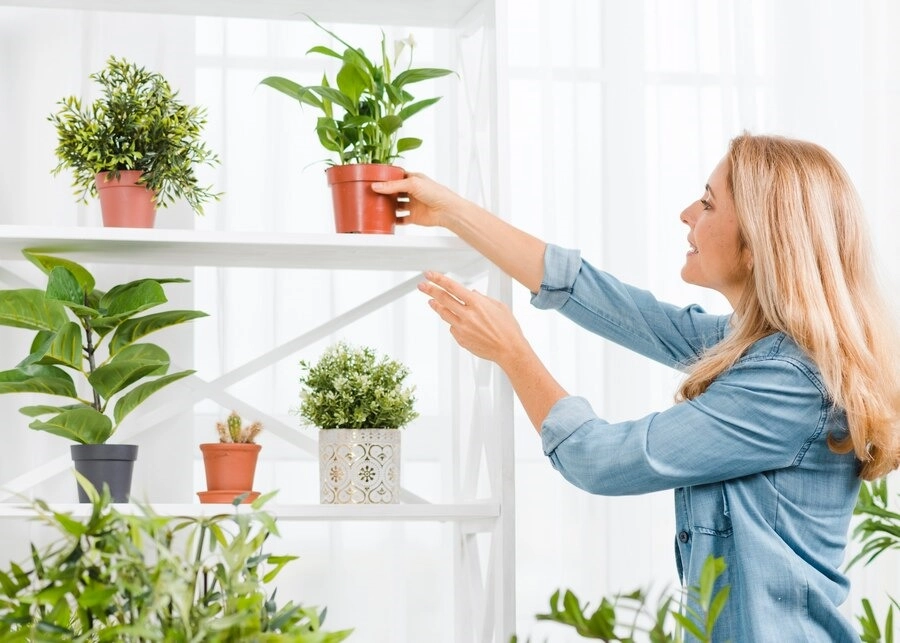
Colorado's indoor air runs drier than almost anywhere else houseplants are sold for, thanks to low humidity, altitude and forced-air heat most of the year. Pick plants built for that, place them where the light actually is, and indoor greenery becomes one of the easiest ways to make a Front Range home feel finished, whether you live there or are staging it to sell. The same rules that keep a plant alive through a Colorado winter also guide where and how to use greenery for the biggest visual impact in every room.
Denver's outdoor relative humidity sits in the 20% to 40% range for most of the year, and a forced-air furnace running through a Front Range winter drops indoor humidity even lower, sometimes into the teens. Most popular houseplants come from tropical climates with 60% humidity or higher, which is why a plant that thrived at a friend's sea-level home can struggle here without adjustment.
Snake plant, ZZ plant, pothos, succulents, cacti and cast iron plant handle low humidity and inconsistent watering better than ferns, calathea or orchids, which need consistently moist air to look their best. Start a first Front Range plant collection with the tolerant group before adding anything humidity-sensitive.
| Plant type | Front Range fit | Light need |
|---|---|---|
| Snake plant, ZZ plant | Excellent — tolerates dry air and irregular watering | Low to bright indirect |
| Pothos, philodendron | Very good with weekly watering | Low to medium indirect |
| Succulents, cacti | Excellent — matches the dry climate | Bright, direct is fine |
| Ferns, calathea | Struggles without a humidifier or pebble tray | Medium indirect |
| Fiddle leaf fig | Needs consistent humidity and watering to hold leaves | Bright indirect |
Yes. A few well-placed large plants fill empty corners, soften hard surfaces in a listing photo, and read as a lived-in, cared-for home without cluttering a space the way excess furniture does. Pair a styled plant with a simple dining table vignette in the eating area to give buyers an easy visual of how the room functions.
Denver's roughly 300 sunny days a year and higher UV intensity at 5,280 feet mean a south- or west-facing window delivers more intense direct light than the same orientation would at sea level. A plant labeled for "bright indirect light" needs a sheer curtain or placement a few feet back from a south-facing Front Range window to avoid leaf scorch.
A room humidifier set to 30% to 40% relative humidity benefits humidity-loving plants and reduces the gapping that Colorado's dry winter air causes in hardwood floors, so the same appliance solves two problems in one room. Avoid pushing humidity much higher than that indoors, since excess moisture against windows and trim causes its own problems in a dry-climate home not built for it.
Yes, both. Direct afternoon sun through an unfiltered south- or west-facing window scorches sensitive leaves and fades furniture, rugs and wood floors faster here than at lower elevation. UV-filtering window film or sheer curtains protect both the plants and the furniture without blocking the light a Front Range home relies on for its light-filled feel.
Most houseplants need more frequent watering here than growing guides written for humid climates suggest, since dry indoor air pulls moisture out of soil faster. Check soil moisture with a finger test 1 to 2 inches down rather than watering on a fixed calendar schedule, since a plant near a forced-air vent dries out faster than one across the room.
Houseplants make a measurable but modest difference to indoor air compared with a good HVAC filter and regular ventilation, so treat plants as a complement to air quality management rather than a replacement for it. A well-maintained forced-air system with a quality filter still does more of the work in a Colorado home closed up through a long winter, particularly when wildfire smoke pushes outdoor air quality down and homeowners keep windows shut for days at a stretch.
Snake plant, ZZ plant and pothos tolerate the low natural light common in Denver metro basements and below-grade rooms better than almost any other common houseplant. A grow light on a timer extends what is possible in a truly windowless space and keeps plants from stretching toward the nearest light source. Basement humidity runs a little higher than the rest of a Front Range home in most cases, which works in a plant's favor as long as the space is not so damp that it invites mold on soil or pots.
Forced-air heat running through a Front Range winter can drop indoor humidity into the teens, which browns leaf tips on tropical plants even when watering stays consistent. Group humidity-loving plants together to create a slightly moister microclimate, or use a small humidifier nearby during the heating season.
Keep plants at least a few feet from an active supply vent or return, since the constant blast of heated or cooled air dries soil and stresses leaves faster than ambient room conditions. A plant stand or shelf that moves a pot out of the direct airflow path solves this without giving up a good window location.
Yes, through the same mechanism. Low indoor humidity that stresses tropical houseplants also pulls moisture out of hardwood flooring, which is why Front Range hardwood floors develop small gaps between boards every winter that close back up once spring humidity returns. Running a humidifier to the 30% to 40% range helps both the floors and the plants through the driest months.
A regular landscape maintenance service that handles seasonal potted-plant care on a covered patio keeps container plants healthy through the swings between Front Range sun, wind and overnight cold that stress plants left unattended. This pairs well with the same watering and light principles used indoors, since Colorado's dry climate affects potted plants outdoors the same way it affects houseplants.
The Kenna Real Estate Group can tell you which small staging touches, plants included, matter most for photos and showings in your specific Front Range neighborhood. Call or text 303-955-4220. A live person answers. Not a robot, not a phone tree. Or search every home for sale in Colorado to see how current listings use light and greenery in their photos.
Questions about any home in Colorado? Call or text 303-955-4220. A live person answers.
Snake plant and ZZ plant tolerate the state's low indoor humidity, inconsistent watering and both low and bright light better than almost any other common houseplant.
Plants near a bright window at 5,280 feet receive more intense UV and light than the same window orientation at sea level, which changes watering and placement needs more than the biology of photosynthesis itself.
No; the constant dry airflow from a forced-air vent dries soil and leaves faster than the rest of the room, so keep plants a few feet away from active vents.
A pebble tray with water raises humidity in the few inches directly around a plant, which helps a single sensitive plant but does not raise humidity across an entire dry Front Range room the way a humidifier does.
Yes; a few well-placed large plants soften hard surfaces and fill empty corners in listing photos without adding the clutter that too much furniture creates.
Most common houseplants do well between 65 and 75 degrees, which matches typical Front Range indoor heating and cooling setpoints during the year.
Succulents and cacti match Colorado's dry climate well and need infrequent, deep watering; overwatering causes more problems for them here than under-watering does.


