.jpg)


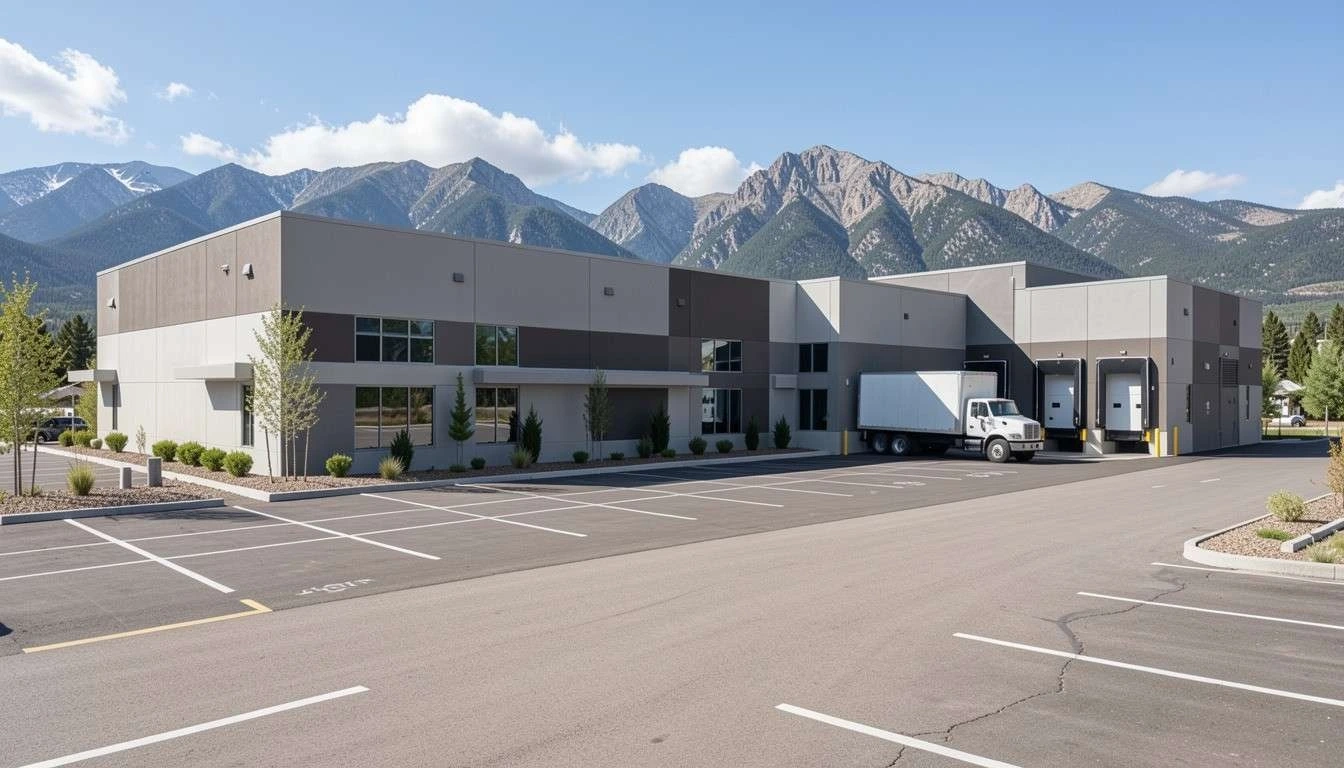
Exterior access shapes a Colorado commercial property's value as much as square footage and lease rate do, because a tenant that depends on deliveries, service vehicles, or steady customer traffic feels every extra minute a tight site adds to daily operations. A property with clear ingress, adequate loading space, and workable turning room leases faster and holds value better than a comparable building where trucks and cars fight for the same narrow entrance.
Access Starts Before a Vehicle Reaches the Building
Exterior access begins at the street: how a vehicle enters and exits the site, how tight the turns are, and whether a curb cut lines up with the flow of traffic on a Front Range arterial. A narrow curb cut or a poorly placed entrance turns a strong commercial property into a daily source of delay for a tenant that depends on deliveries or customer visits.
Loading Docks and Freight Movement
A loading dock sized for the tenant's actual freight, with enough apron space for a full-size trailer to back in without blocking a drive aisle, keeps deliveries on schedule and keeps other tenants from feeling the disruption. Equipment such as a forklift attachment built to move trailers helps a site with tight dock space reposition freight without hiring a separate spotter truck.
Traffic Flow and Parking on the Same Site
A site where delivery trucks, employee parking, and customer parking share one entrance creates daily friction that shows up in tenant complaints and, over time, in vacancy. Separating freight movement from customer and employee parking, even with simple striping and signage, cuts the conflict points that slow a business down.
ADA-Compliant Access and Site Grading
A commercial site needs an accessible route from parking to the building entrance that meets ADA slope and clearance requirements. Retrofitting a sloped or poorly graded site after purchase runs into real money quickly, so confirm accessible access is already in place, or budget for the fix, before closing on a property.
Snow Removal and Seasonal Access
Front Range winters bring snow and mag chloride residue that can turn a tight site into a genuine access problem for weeks at a time. Confirm who handles snow removal, how fast the site is cleared after a storm, and whether the loading area and accessible route get cleared first, not last.
| Access factor | What to check before buying or leasing |
|---|---|
| Curb cuts and entrances | Line up with traffic flow, allow full-size trailer turns |
| Loading dock | Apron space, door height, number of bays for tenant's freight volume |
| Parking separation | Freight, employee, and customer traffic on separate paths |
| ADA route | Slope, surface, and clearance from parking to entrance |
| Snow removal | Provider, response time, order of clearing |
What to Check During a Commercial Property Inspection
An inspection of a Colorado commercial property should cover more than the building's structure and systems: walk the full exterior route a delivery truck would take, time how long it takes a vehicle to clear the site during a mock delivery, and check the condition of the pavement, curb cuts, and any loading dock hardware. A property that looks strong on paper can hide an access problem that only shows up when someone actually drives the route a tenant's vendors would use every day.
Buy vs. Lease: Who Controls the Fix?
Buying a Colorado commercial property gives an owner full control to regrade a site, add a second curb cut, or expand a loading dock on the owner's own timeline. Leasing puts those changes in the landlord's hands, so a delivery-dependent business signing a lease should negotiate access improvements into the lease itself rather than assume they will happen later. Compare the full buy-vs-lease numbers in the Colorado real estate investing guide.
Zoning and Access Rules Differ by Front Range City
Denver, Aurora, and Colorado Springs each review curb cuts, driveway placement, and loading requirements as part of a site plan for new construction or a major renovation, and the review standards differ by zoning district and by the type of business proposed. A site that worked for a previous tenant's use does not automatically clear review for a new business with heavier delivery traffic, so confirm the current zoning fits the planned use before signing a lease or closing on a purchase. A commercial real estate attorney or a broker familiar with the specific municipality can flag a zoning mismatch early, before it turns into a delay on a permit application or a costly site redesign after closing.
Financing a Commercial Property Purchase
Buying instead of leasing changes the financing picture entirely: a commercial purchase loan looks at the property's income potential and the buyer's business financials together. Mike Oswald at Rate (NMLS 261003, Equal Housing Lender) works with Colorado buyers on financing for a commercial property purchase, and you are free to use any lender. Start with the Colorado home financing guide to understand what a lender will require.
Where to go next
- Search every home for sale in Colorado
- Colorado real estate investing guide
- Parking upgrades that raise Colorado commercial property value
- Commercial property risk assessment for Colorado owners
- ALTA/NSPS survey findings every commercial buyer should review
- Talk to a Kenna Real Estate Group agent
Talk to the Kenna Real Estate Group
The Kenna Real Estate Group helps Colorado business owners evaluate a commercial property's exterior access, loading capacity, and site layout before they buy or lease. Call or text 303-955-4220. A live person answers. Not a robot, not a phone tree. Or search every home for sale in Colorado to see current commercial listings.
Homes for sale that match this post
Guides
Questions about any home in Colorado? Call or text 303-955-4220. A live person answers.