.jpg)


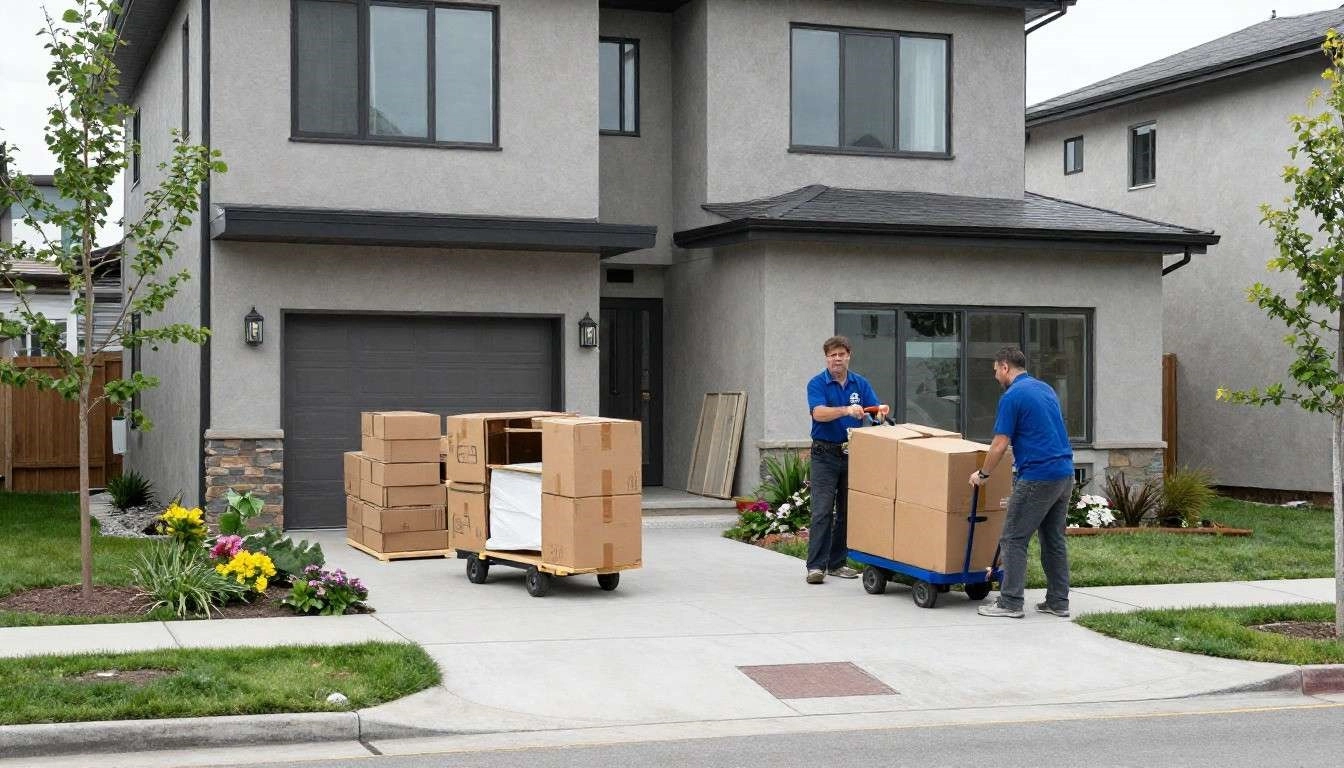
Professional movers earn their cost back on a Front Range move the first time a couch clears a tight stairwell or a heavy dresser survives a walk-up without a scratch. Between the truck rental, gas, insurance and a full day of lifting, a DIY move regularly costs nearly as much as hiring it out, without the protection if something breaks.
The Real Cost of DIY vs. Professional Movers
A DIY truck rental for a local move runs $100 to $300 plus mileage and gas, and that is before you count a full day away from work and the cost of any damage that is not covered. A two- or three-person professional crew for the same local move runs $400 to $1,200, fully insured, in a fraction of the time.
Factor in the cost of borrowed or rented equipment too: furniture dollies, moving blankets and straps add another $50 to $150 to a DIY move if you do not already own them, on top of gas and the day of physical labor most people underestimate until they are halfway through it.
What to Check Before You Hire a Mover
Ask for a USDOT number on any interstate move and look it up directly in the FMCSA's public database. Confirm the company carries its own insurance, read verified reviews rather than the testimonials on the company's own site, and get the estimate in writing. The vetting method is the same no matter where a mover operates, the same standard you would use to check a Professional movers company on the other side of the world before booking. You are free to book any mover that clears these checks.
Binding vs. Non-Binding Estimates
A binding estimate locks in the price regardless of the final weight; a non-binding estimate can change on move day based on the actual weight and time. Ask which one you are signing, since a non-binding estimate that runs over is the single biggest source of moving-day disputes.
Full-Value Protection vs. Released-Value Protection
Released-value protection is the free, minimal coverage movers include by default, and it pays out by weight, not replacement cost. Full-value protection costs more but pays to repair or replace an item at its actual value, which matters far more on a long-distance move than a short one.
A television, a marble table top or a family piece that costs far more to replace than it weighs is exactly the kind of item where released-value protection falls short. Ask specifically about the deductible on a full-value protection plan before you assume it covers everything at no added cost.
Stairs, Walk-Ups and Colorado Altitude
Downtown Denver walk-ups, narrow LoDo stairwells and mountain-adjacent homes with steep driveways all add time and effort a flat-rate DIY estimate rarely accounts for. Professional crews carry the straps, dollies and floor protection to move a heavy piece through a tight stairwell without damaging the walls on either end. Thinner air at altitude also means heavy lifting tires a two-person DIY crew faster than it would at sea level.
Peak Season on the Front Range
Late spring through September is the busiest window for Colorado moves, the same stretch as hail season, so book at least four to six weeks ahead if your move falls in that range. Rates run higher during peak months and on the first and last weekends of each one.
Mid-month, mid-week moves outside the June and August peaks book faster and sometimes cost less, since crews have more open slots. If the closing date has any flexibility, ask the mover which dates run cheaper before you lock one in.
What a Front Range Crew Handles That a National Estimate Misses
A phone quote from a national moving broker rarely accounts for a third-floor walk-up with no elevator, a narrow alley entrance behind a LoDo building, or an HOA that requires a certificate of insurance before the truck can pull in. Get a mover to walk the actual property, in person or by video, before you accept a final number.
Tipping and Move-Day Basics
$4 to $6 per hour per mover is a common range for a local move, more for a long-distance crew that handles the whole job. Have water and a bathroom available, and walk the crew through the home before they start so nothing gets missed.
Point out fragile items and anything that needs special handling before the crew starts lifting, not after a box is already loaded. A five-minute walkthrough at the start saves far more time than it costs.
Filing a Damage Claim
Report damage in writing within the window stated on your bill of lading, within nine months for an interstate move under federal rules, and take photos before you move anything the crew touched. A binding, written estimate and full-value protection both make a claim faster to resolve.
Keep the original packing inventory sheet the crew hands you at the start of the day; it lists condition notes for major pieces before the truck loads, and it is the fastest way to prove an item arrived damaged instead of already worn.
What Professional Movers Add on a Colorado Move Specifically
A crew that has already handled downtown Denver walk-ups, a foothill driveway or a Highlands Ranch HOA truck reservation knows the local rules before you have to explain them. That local experience shows up as fewer surprises on move day, not just faster lifting.
A crew that regularly works the Front Range also knows which streets narrow near a busy commercial corridor, which HOAs require advance paperwork, and how to route around an afternoon thunderstorm during hail season instead of packing straight through it.
Questions to Ask Before You Book
- Is the estimate binding or non-binding, and in writing?
- What does the released-value protection cover, and what does full-value protection cost to add?
- Does the crew carry its own equipment for stairs, walk-ups and long carries?
- What is the cancellation and weather-rescheduling policy?
When DIY Still Makes Sense
A studio or one-bedroom move with no stairs, no long carry and a short drive across town is the one scenario where a DIY truck rental genuinely competes with professional movers on both cost and time.
DIY vs. Professional Movers
| DIY truck rental | Professional movers | |
|---|---|---|
| Local move cost | $100 - $300 + gas | $400 - $1,200 |
| Insurance on your items | Your own policy only | Released or full-value protection included |
| Time | Full day, sometimes more | Half a day to a full day |
| Best for | Small studio or apartment moves | Multi-bedroom homes, stairs, long-distance |
Where to go next
- Colorado Front Range Relocation Checklist
- Moving to Denver
- Denver Parking Permits and Parking Rules Guide
- The Colorado Home Buyer's Guide
- Search every home for sale in Colorado
Talk to the Kenna Real Estate Group
The Kenna Real Estate Group times a Front Range closing around a workable moving week and can point clients to movers who know downtown loading dock and HOA truck rules. Call or text 303-955-4220. A live person answers. Not a robot, not a phone tree. Search every home for sale in Colorado at kennarealestate.com/homes.
More reading: Why Reliable Movers Matter in a Successful Home Transition and Short Distance Movers: How to Choose Reliable Help in Your Area.
Homes for sale that match this post
Guides
Questions about any home in Colorado? Call or text 303-955-4220. A live person answers.