.jpg)


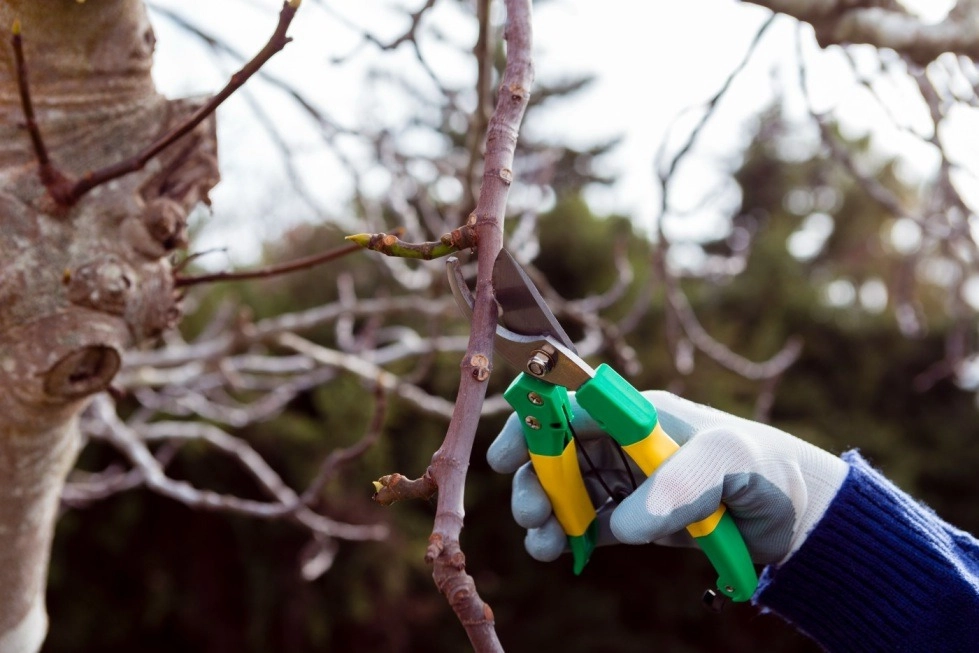
New shrubs planted their first year on the Front Range die from freeze-thaw cycling, wind desiccation and mag chloride splash-back — not from cold alone. Protect against those three things specifically and a first-year shrub gets through a Colorado winter fine.
Why new shrubs struggle through their first Colorado winter
A shrub in its first year has not built the root mass to handle the Front Range's temperature swings, and the ground here rarely stays frozen for long stretches the way it does farther north. Instead, soil freezes and thaws repeatedly through a Colorado winter, and each cycle heaves roots that have not anchored deep enough yet.
What freeze-thaw does to roots specifically
When soil moisture freezes it expands, lifting the root ball slightly; when it thaws, the ground settles unevenly and can leave roots partly exposed to air and cold. Repeat that a dozen times over a winter and a shrub with shallow first-year roots can heave right out of the ground. A layer of mulch buffers the soil temperature swing and cuts down on how many times the freeze-thaw cycle repeats at root depth.
Mulch depth that actually works
Apply 2 to 3 inches of mulch in a ring around the base of the shrub, pulled back an inch or two from direct contact with the stem to avoid trapping moisture against the bark. Go past 4 inches and you can suffocate roots or hold too much moisture against the crown; go under 2 inches and it does not buffer temperature swings enough to matter.
Wind desiccation on evergreen shrubs
Evergreen shrubs keep losing moisture through their needles all winter, and Front Range wind, especially the dry chinook gusts common along the foothills, pulls that moisture out faster than frozen roots can replace it. The result is winter burn — browned, dried-out needle tips — even though the plant technically survived the cold. A burlap windscreen staked on the windward side, or an anti-desiccant spray applied in late fall, cuts down on that moisture loss on exposed sites.
Mag chloride splash-back
Colorado's winter road and sidewalk deicers, largely magnesium chloride, splash onto nearby plantings from passing traffic or run off with snowmelt and build up in the soil near driveways and street-facing beds. Shrubs planted within a few feet of a treated driveway or public sidewalk take the brunt of it; choose salt-tolerant species for those spots or plan on flushing the root zone with extra water in early spring to move accumulated chloride below the root line.
Do you need to wrap shrubs for winter?
Broad-leafed evergreens and any shrub on a wind-exposed or south-facing site where winter sun causes rapid freeze-thaw at the bark benefit from a burlap wrap or windscreen; most deciduous shrubs and cold-hardy natives do not need wrapping once established. Wrap loosely — burlap should block wind and reduce sun scald, not seal the plant in a way that traps humidity against the branches.
Watering through a Colorado winter
New shrubs need supplemental water through the winter whenever the ground is not frozen and there has been no significant snow or rain for two to three weeks — this is one of the most commonly skipped steps, since homeowners assume dormancy means no water is needed. Water in the late morning on a day above freezing so moisture has time to soak in before nightfall temperatures drop again.
Deer and wildlife pressure
Deer browse heavily on tender new shrub growth along the Front Range foothills and in areas backing to open space, especially once other food sources thin out in late fall. Fencing, repellent sprays reapplied after precipitation, or choosing deer-resistant species for exposed beds all reduce winter damage more reliably than any single treatment alone.
Drip irrigation before the first freeze
Blow out drip irrigation lines before the first hard freeze of the season; water trapped in the line expands as it freezes and can crack emitters and fittings, leaving you with a system that fails silently next spring. A licensed irrigation contractor can blow out a residential system in well under an hour.
HOA rules on landscaping and winter protection
Some Front Range HOAs restrict visible burlap wrapping, temporary fencing, or specific plant species in front-facing beds, so check your covenants before installing winter protection that is visible from the street. The Denver HOA rules and fees guide covers how to find and read those restrictions.
Winter shrub health and curb appeal for a home sale
Shrubs that survive winter looking intact, rather than browned and heaving out of the ground, matter more for curb appeal than most sellers expect, since landscaping is one of the first things a buyer notices pulling up. If you are listing in spring, walk beds in late winter and replace anything that clearly did not make it before photos go up; see our guide to preparing and adding value before selling for what buyers actually notice first. For more on landscaping choices suited to Colorado's climate, this Newton, Massachusetts lawn care overview of shrub protection basics covers similar fundamentals, though a Front Range yard needs the mag chloride and altitude-wind adjustments above on top of it.
| Threat | What it does | Front Range fix |
|---|---|---|
| Freeze-thaw cycling | Heaves shallow first-year roots | 2-3 inches of mulch around the base |
| Wind desiccation | Browns evergreen needle tips | Burlap windscreen or anti-desiccant spray |
| Mag chloride splash-back | Builds up in soil near roads and driveways | Salt-tolerant species or spring root flush |
| Deer browsing | Strips tender new growth | Fencing, repellent, or deer-resistant species |
| Frozen drip lines | Cracks emitters and fittings | Blow out lines before the first hard freeze |
Ask for the printable checklist in the form below and we email it the same day.
Where to go next
- Search every home for sale in Colorado
- Preparing and adding value before selling
- Does landscape lighting add value to a Colorado home
- Reducing noise pollution in a Colorado backyard
- Denver HOA rules and fees guide
- Talk to a Kenna Real Estate Group agent
Talk to the Kenna Real Estate Group
Landscaping condition is one of the first things a buyer judges before they ever step inside, and the Kenna Real Estate Group tells Colorado sellers exactly which curb-appeal fixes are worth doing before listing photos. Call or text 303-955-4220. A live person answers. Not a robot, not a phone tree. Or search every home for sale in Colorado right now.
Homes for sale that match this post
Guides
Questions about any home in Colorado? Call or text 303-955-4220. A live person answers.