New - 30 Mins Ago
$900,000
Coming Soon
4
Beds
2
Baths
2116
Sqft
0.12
Acres
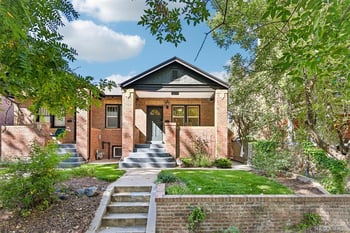
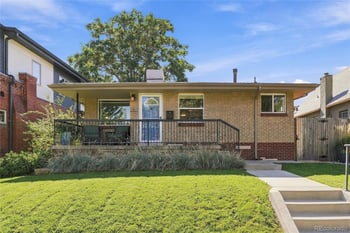
3484 W 33rd Ave, Denver, CO 80211
MLS#: REC4869595
.jpg)



Personalizing a new Front Range home comes down to five moves that add character without locking in a look the next buyer has to undo: display what's meaningful to you, choose seating and storage that fit the actual floor plan, pick one statement piece per room, organize books and collections as decor, and separate what's easy to change later from what's a bigger commitment. Getting that split right lets you make the home yours now without creating extra work at your next sale.
Group photos, travel finds and sentimental pieces on shelves or a gallery wall where they get seen daily. In a Front Range home, keep that display off south- and west-facing walls that take direct sun for hours; Colorado gets close to 300 days of sun a year and UV at elevation fades photographs, artwork and fabric faster than in a lower, cloudier climate. A UV-filtering window film or simple curtain solves this for a sunny room without moving the display.
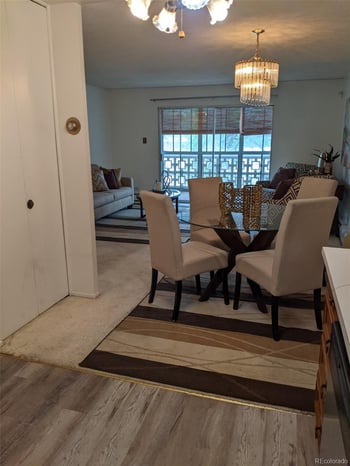
Front Range starter homes and townhomes commonly have a smaller, open-concept main living space than the sprawling floor plans in a listing photo suggest. Measure the room before buying a sectional or sofa set, and leave at least 30 to 36 inches of walkable path between furniture and doorways. A properly scaled sofa and one or two accent chairs read as intentional; an oversized sectional crammed into a small great room reads as cramped no matter how comfortable it is.
Custom closet systems, added shelving and storage ottomans solve the space crunch in a smaller Front Range home without moving a wall. Built-in cabinetry that doesn't touch electrical or plumbing and doesn't move a load-bearing wall doesn't need a Denver building permit; a full closet reconfiguration that adds wiring for lighting does. Purge before you organize: donate or sell what didn't earn a spot in the new floor plan rather than buying more storage to hide it.
A bold light fixture, a large piece of art or a striking accent table gives a room a focal point without a full redecoration. Keep it to one per room; layering several competing statement pieces in an open floor plan makes the whole main level feel busy since sightlines run from the kitchen through the dining area and into the living room in most newer Front Range builds.
Floating shelves or a built-in nook turn a book collection into a visual feature instead of clutter. Keep shelving off direct sun for the same reason as artwork, since Colorado's dry air and UV exposure fade covers and dry out bindings faster than a humid climate would. If you're carving out a dedicated reading space rather than shelving books throughout the house, our guide to home office design in a small space covers the same footprint math.
Yes. Solid wood furniture and shelving can shrink and develop small gaps at the joints in Front Range homes where indoor humidity regularly drops into the teens during winter. A humidifier held around 35% to 45% relative humidity slows this. For wall hangings, most interior walls in newer Front Range homes are standard drywall over wood studs; use a stud finder and proper drywall anchors for anything heavier than a small frame, since a plaster-only anchor rated for an older home's lath-and-plaster wall won't hold the same weight in drywall construction.
Furniture, art, rugs, throw pillows and small accents are fully personal; none of it affects how the next buyer sees the home, because it all leaves with you. Paint color, permanent fixtures, wallpaper and built-in cabinetry are a different category: a bold accent wall or a dramatic fixture reads as personality while you own the home and as a to-do item for a buyer at resale. If you're weighing a bigger personalization project, our guide to preparing and adding value before selling covers which permanent changes tend to pay back and which don't.
A modest first-year decorating budget for furnishing and personalizing a Front Range starter home, window coverings, an area rug or two, a sofa and accent chairs, art and lighting, lands between $4,000 and $10,000 spread across the year rather than spent all at once. A full main-level furniture set from scratch, sofa, dining table, bedroom furniture, runs closer to $12,000 to $25,000 depending on quality level. Spreading purchases across several months lets you live in the space first and avoid buying furniture that doesn't fit the actual light, traffic flow or proportions of the room.
No. HOA architectural review in Front Range communities covers exterior changes, paint color, landscaping, fencing, and sometimes window treatments visible from the street, not interior paint, furniture or decor choices. The one interior-adjacent item worth checking is window covering color or style if your HOA has a rule requiring a uniform look from the outside, which some Highlands Ranch and Castle Rock associations do.
Beyond decor, first-year Front Range homeowners commonly underbudget for window coverings (blinds or curtains aren't always included at closing), a first HOA assessment if one is due, and appliance or HVAC service in an older resale home. Our guide to what new homeowners forget to budget for after closing covers the full list so your decorating budget doesn't compete with items the home actually needs.
Most newer Front Range construction, in Highlands Ranch, Castle Rock, Parker and comparable master-planned areas, uses an open floor plan where the kitchen, dining and living areas share one sightline. A single large piece, a substantial pendant light over the dining table, one oversized abstract canvas on the main living room wall, or a distinctive console table in the entry, anchors the whole space without competing pieces pulling the eye in different directions. Choose the piece for the room you spend the most time in first, then build outward from there room by room rather than furnishing every space at once.
Living through one Front Range summer and one winter shows you where the sun actually hits, which walls hold the most warmth in January, and where you naturally gather. That information makes the last round of personal touches, the final art placement, the last accent chair, land better than choosing everything in the first month after closing.
Whether you just closed on your first Front Range home or you're weighing a bigger personalization project down the road, the Kenna Real Estate Group can tell you which changes hold their value at resale. Call or text 303-955-4220. A live person answers. Not a robot, not a phone tree. Or keep browsing at search every home for sale in Colorado.
Questions about any home in Colorado? Call or text 303-955-4220. A live person answers.
Furniture, art, rugs and accents are fully personal and leave with you, so none of it affects resale. Permanent changes like bold paint or dramatic fixtures read as personality now and as a to-do item for a buyer later.
No, as long as the work doesn't touch electrical wiring, plumbing or a load-bearing wall. A closet reconfiguration that adds new lighting wiring does need a permit.
Yes. Solid wood furniture can shrink and gap at the joints when indoor humidity drops into the teens in winter, and UV at elevation fades artwork and photos faster near south- and west-facing windows.
Most interior walls in newer Front Range construction are drywall over wood studs. Use a stud finder and drywall-rated anchors for anything heavier than a small frame; older homes with lath-and-plaster walls need different anchor hardware.
Window coverings, a first HOA assessment if one is due, and appliance or HVAC service in an older resale home are the items first-year Front Range buyers most commonly underbudget for beyond decor.
Painting before move-in avoids working around furniture and lets paint fumes clear before you're living in the space full time, which matters more in a tightly sealed newer Front Range build with less natural ventilation.