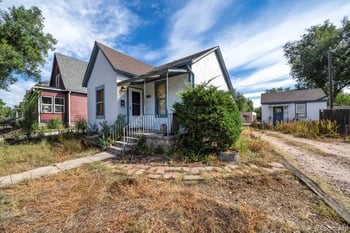
New - 7 Hours Ago
$524,900
Active
6
Beds
4
Baths
3292
Sqft
0.1148
Acres
7961 Sandsmere Dr, Colorado Springs, CO 80908
MLS#: 5235349
.jpg)


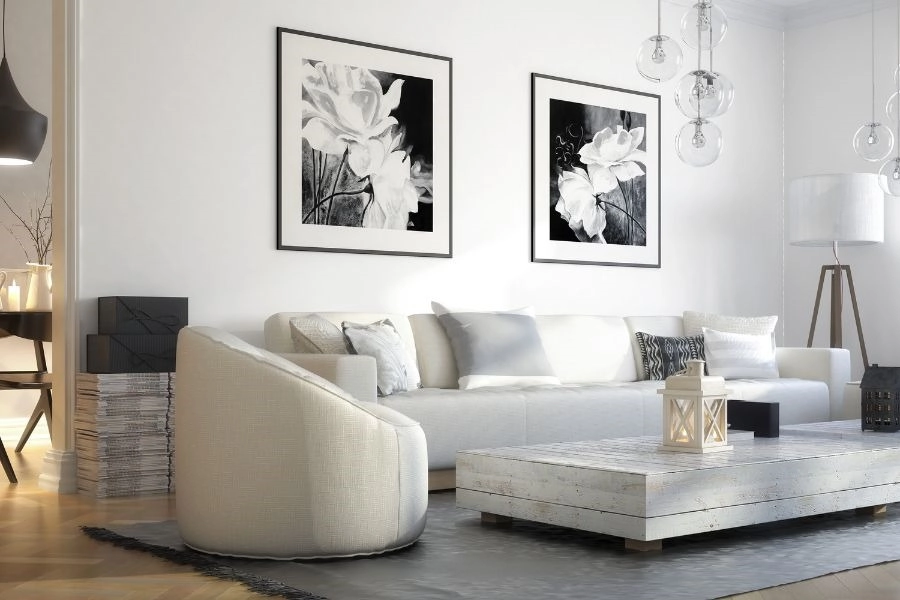
Decorating a new Front Range home like a professional starts with the house itself: its light, its altitude and its HOA rules, before a single throw pillow gets chosen. A newly closed buyer in Denver, Aurora, Lakewood, Littleton, Centennial, Colorado Springs or Fort Collins who works with those conditions instead of against them ends up with a home that looks finished in six months, not six years.
Every room needs one thing the eye lands on first: a fireplace, a piece of art, a bed frame, a window with a mountain view. Arrange furniture to support that focal point instead of competing with it, and resist the urge to fill every remaining wall before the room's real function has become clear through a season of actually living in it.
A new homeowner who waits 30 to 60 days before buying major furniture avoids the most common decorating mistake: guessing at a layout before learning how the light moves through a room across a full day. Front Range light changes more across a day than most buyers expect, especially in a west-facing room during a long summer evening.
| Home price band | Typical first-year decorating budget | Priority spend |
|---|---|---|
| Under $500,000 | $3,000 to $8,000 | Window treatments, lighting, a living room set |
| $500,000 to $900,000 | $8,000 to $20,000 | Above plus primary bedroom and dining room furniture |
| $900,000 and up | $20,000 and up | Whole-home furnishing, custom window treatments, art |
The Front Range sees roughly 300 days of sun a year, and the UV intensity at 5,280 feet and higher fades fabric, wood floors and artwork faster than the same materials experience at sea level. UV-blocking window film or lined drapes on south- and west-facing windows protect flooring and furniture investment from day one, not after the first faded rug is noticed.
Colorado's low humidity, under 30% on many winter days, dries out solid wood furniture and can open small gaps at joints over a first year in a new home. A basic humidifier during the driest months, the heating season in most Front Range homes, and avoiding placement directly over forced-air vents keeps new furniture from cracking or warping in its first Front Range winter.
Interior paint, furniture and decor are the homeowner's choice in almost every Front Range community, but exterior changes, from a new front door color to string lights on a patio, need HOA design review first in most communities. Pull the HOA's Denver HOA rules and fees guide or the community's own design guidelines before any project that touches the outside of the home or anything visible from the street.
A professionally decorated room layers three types of light: ambient (overhead), task (a reading lamp, under-cabinet kitchen lighting) and accent (a picture light, a floor lamp in a corner). Relying on a single overhead fixture is the fastest way for a room to look unfinished, no matter how good the furniture is, and dimmers on the ambient layer let one room serve both a daytime work function and an evening living function.
Hang art at eye level, roughly 57 to 60 inches to the center of the piece, not the top of the furniture below it. A gallery wall reads intentional when the pieces share a consistent frame color or a consistent spacing gap, 2 to 3 inches between frames in most gallery layouts, and when the whole arrangement is planned on the floor with painter's tape before the first nail goes into the wall.
Very few new homeowners replace every piece of furniture at once, and a professional look does not require it. Anchoring a room with one or two new statement pieces, a sofa or a dining table, while carrying forward pieces that already work keeps the budget realistic and avoids a showroom-flat result that reads as staged rather than lived in; the same principles carry forward years later when it is time to prep the home using the Colorado home seller's guide.
Swapping a light fixture on an existing circuit is homeowner work in most jurisdictions, but adding a new circuit, moving a switch, or wiring in recessed lighting requires an electrical permit in Denver, Aurora, Lakewood, Littleton and most Front Range cities. Pulling the permit protects the homeowner at resale, since unpermitted electrical work is a common inspection objection.
Low humidity across the Front Range means more static electricity in carpeted rooms during the heating season and faster drying of hardwood floor finishes after installation. A humidifier set to maintain 30% to 40% indoor humidity reduces static shock, protects wood floors from shrinking gaps between boards, and keeps houseplants from browning at the tips through a Colorado winter.
A Front Range home swings from a 95-degree July afternoon to single digits in January, sometimes within the same week during shoulder seasons. Leather furniture handles that swing better than some synthetic upholsteries, which can stiffen in cold, dry rooms; a natural fiber rug over hardwood adds warmth underfoot during the coldest months without trapping moisture the way a full wall-to-wall carpet can in a mudroom or entry.
A Front Range-based interior designer or decorator already knows which paint lines hold up against high-altitude UV, which window treatment vendors stock UV-blocking options locally, and which HOAs in Denver, Aurora, Lakewood, Littleton and Centennial require design review before an exterior change. A two-hour consultation, $150 to $400 in most Front Range markets, before the first purchase can save multiples of that cost in returns and re-dos.
New-construction buyers across the Front Range move in with an empty, blank-slate house more than resale buyers do; resist furnishing every room at once. Prioritizing the rooms used daily first, then filling guest and formal spaces over the following year, spreads the budget and avoids buying furniture before the family's actual use of a room is clear.
A patio, deck or front porch reads as an extension of the home's decorated interior when the furniture, color palette and lighting carry outside. Outdoor-rated fabric holds up to intense Colorado sun without fading as fast as indoor fabric moved outside for a season, and a string of exterior lights on a timer extends the usable evening hours once the weather cools.
The Kenna Real Estate Group helps new Front Range homeowners understand a home's light, HOA rules and permit requirements before the first decorating dollar gets spent. Call or text 303-955-4220. A live person answers. Not a robot, not a phone tree. Still looking for the right house to decorate? Search every home for sale in Colorado.
Questions about any home in Colorado? Call or text 303-955-4220. A live person answers.
30 to 60 days, long enough to see how light moves through each room across a full day before committing to a layout.
Yes. Roughly 300 days of sun a year and higher UV intensity at 5,280 feet fade fabric, wood floors and art faster than at sea level, so UV-blocking window film or lined drapes protect south- and west-facing rooms.
Winter humidity that drops under 30% can open small gaps at wood joints in the first year; a basic humidifier during the heating season and keeping furniture away from forced-air vents prevents cracking.
Interior paint, furniture and decor are almost always the homeowner's choice; HOA design review applies mainly to exterior changes and anything visible from the street.
$3,000 to $8,000 in the first year for homes under $500,000, rising to $20,000 or more for homes above $900,000, prioritizing window treatments, lighting and daily-use rooms first.
Swapping a fixture on an existing circuit is homeowner work in most jurisdictions, but adding a circuit, moving a switch or wiring recessed lighting needs a permit in Denver, Aurora, Lakewood, Littleton and most Front Range cities.
Roughly 57 to 60 inches to the center of the piece, measured from the floor, not from the top of the furniture underneath it.
Prioritizing daily-use rooms first and filling guest or formal spaces over the following year spreads the decorating budget and avoids buying furniture before the room's real use is clear.