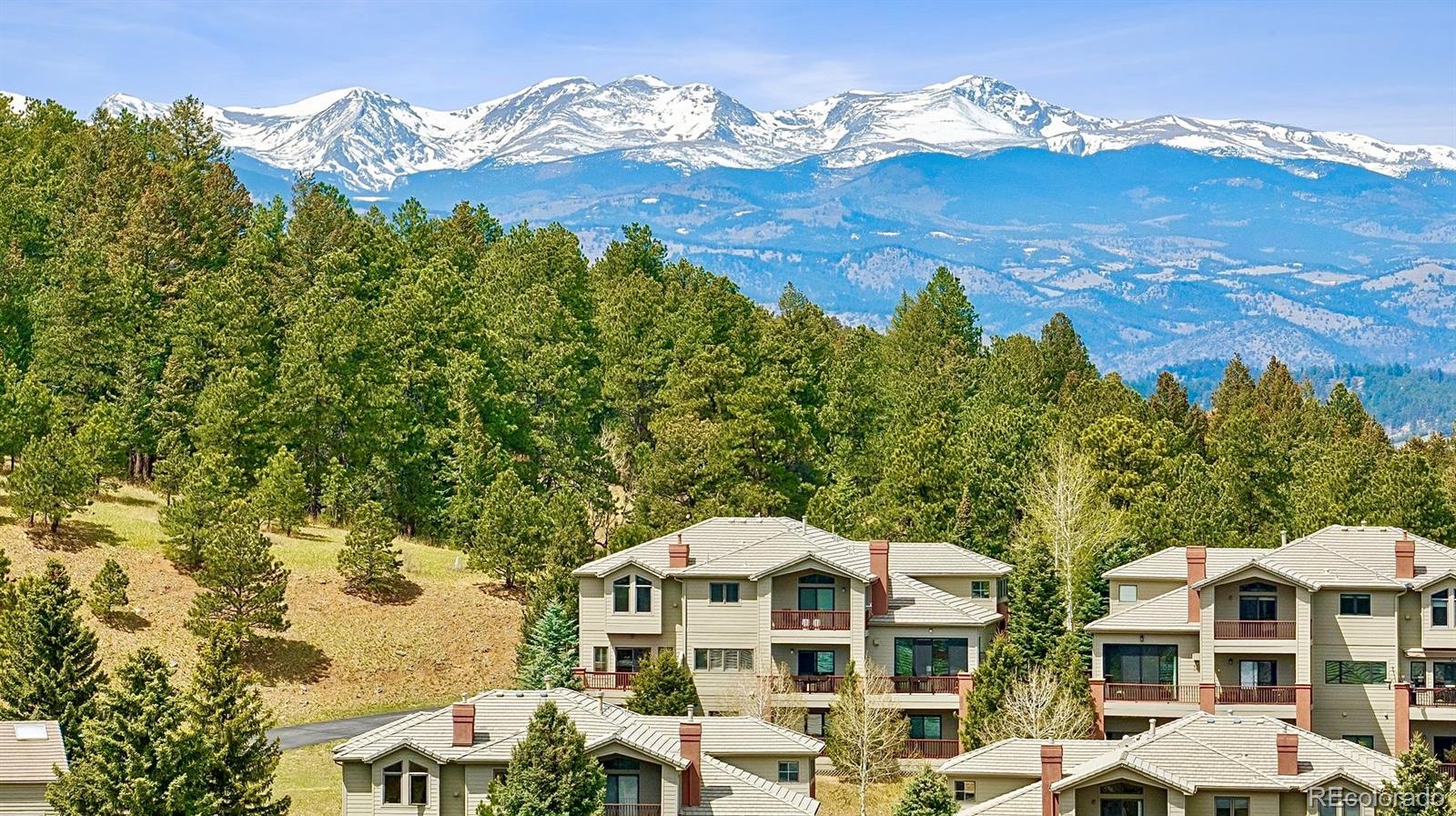
Chimney Creek is an attached-home community in the foothills west of Denver, with direct access to I-70 and association-managed buildings and shared property. The important distinction is inside the name: Chimney Creek I and Chimney Creek II use separate document folders along with joint community records.
Golden city limits and neighborhoods map
The navy shape is the City of Golden as the US Census Bureau draws it in its 2026 boundary data. The sage shapes around it are the neighboring towns and unincorporated areas. Teal pins mark landmarks. Rust pins mark local favorites: places to eat, shop and get outside. Sage pins mark Golden neighborhoods with homes for sale, each placed at the center of its listings.
Tap a pin to open that area
- Landmark pin
- Local favorite: places to eat, shop and get outside
- Neighborhood pin
- Golden city limits
- Outside the city: another town or city
- Outside the city: unincorporated (uninc.)
- County line
- Highway
Map not to survey scale. Boundaries are simplified for display; the official city and county sites below are the record for any one address.
Check an address: Jefferson County property search
Sources: US Census Bureau TIGER/Line and TIGERweb boundaries and roads, 2026 vintage; US Census Bureau Geocoder; Neighborhood pins: average location of each community's active and coming-soon MLS listings on kennarealestate.com, pulled October 11, 2026; Landmarks and local favorites: each place's official website or the managing agency's page.
Local favorites in Chimney Creek
- Genesee Park: Denver mountain park home to a city bison herd, with trails to the Genesee Mountain summit.
- Buffalo Moon Cafe: Coffee shop in the Genesee shopping center serving breakfast, lunch, pastries and espresso drinks.
- Genesee Pub & BBQ: Neighborhood pub smoking hickory barbecue, with heated patios.
Identify the association first. Then compare the home's layout, building position, maintenance coverage, recurring costs, winter access, wildfire preparation, and insurance. Those details decide whether the community fits better than a detached foothill home or a city condominium.
Where Chimney Creek Fits
Chimney Creek uses a Golden mailing address but sits in the foothill corridor near I-70. The location can shorten the drive toward Denver or the mountains compared with a deeper canyon home, while the private-road and attached-home setup adds association responsibilities that a city-street home may not have.
Drive from a candidate home to I-70 at the time you normally travel. Notice winter sun, road grade, parking, stairs, and how the building entrance works. These are practical differences you can see during a tour.
Two Associations Under One Community Name
The community website directs residents to CCI Documents or CCII Documents, with Joint Documents available for matters shared across Chimney Creek. Colorado's Division of Real Estate separately registers Chimney Creek II as a condominium association. Ask for the title and seller documents that identify the correct association before you compare fees or rules.
Use the current declaration, budget, reserves, insurance information, meeting minutes, fee schedule, maintenance chart, violations, and architectural approvals. Individual account and unit-repair communications go through the management portal, so confirm the current manager and contact path in the seller's package.
What to Compare From Home to Home
Compare shared walls, stairs, garage and guest parking, outdoor space, storage, building position, roof and exterior coverage, and any later interior work. Ask which parts of the structure belong to the association and which parts belong to the owner.
The current search shows the practical range to separate: one-level and multi-level attached homes, ground-level and stair entries, and listings that identify either Chimney Creek I or Chimney Creek II. Current examples also span mid-1980s and mid-1990s construction. Use the listing as the comparison cue, then confirm the exact home's year, legal form, and association in county, title, and seller records.
A lower-maintenance exterior may be appealing, but the work has not disappeared. It has moved into the association budget, reserves, and maintenance schedule. Review those records beside the inspection so you can see whether a planned building project could change future costs.
Wildfire, Winter, and Daily Access
The official Genesee Community Wildfire Protection Plan includes the Chimney Creek HOAs in its planning area. Review the home's roof and exterior materials, nearby vegetation, emergency access, mitigation history, and a property-specific insurance quote. Association work on common property does not replace the review of a specific home.
For winter access, confirm who maintains and plows each road, driveway, walkway, and parking area. Visit after snow if possible, and look at shade and grade. The association documents should explain responsibility; the tour shows how the approach works in practice.
The Main Chimney Creek Choices
| Choice | Reason to keep | Reason to narrow or stop |
|---|---|---|
| Chimney Creek I | Established attached-home setting | Narrow if the CCI maintenance split, budget, insurance, reserves, or entry pattern exceeds the limit |
| Chimney Creek II | Separate condominium association and documents | Narrow if the CCII shared obligations, building coverage, or access pattern does not work |
| Lower or upper position | Different access, outlook, and stair use | Narrow if the entry path, shared walls, sound, parking, or outdoor space does not fit |
Costs, Rules, and Records to Review
Complete monthly costs
Compare association dues, property taxes, insurance, utilities, and owner-paid maintenance. Ask whether sewer, roads, snow removal, trash, building exterior, roof, or shared facilities are included, and confirm the answer in the current documents.
Building and association records
Ask your Kenna Real Estate Group agent to obtain the correct CCI or CCII package through the seller, plus joint records, title work, insurance information, minutes, reserves, planned projects, violations, and approvals tied to the home.
Exact-property review
Match later work to Jefferson County records and seller disclosures. Compare the inspection with the association's maintenance chart so repair responsibility is clear before you decide what belongs in an offer.
Official Sources
Association records
Property and wildfire records
Choose a Chimney Creek Home to Compare
Open the current Chimney Creek homes, or use the Golden Area Guide to compare the wider market. Kenna Real Estate Group can help obtain the correct association package and organize the building, county, wildfire, insurance, and inspection questions for a named home.