New - Just Now

.jpg)


The ten upgrades below cost $50 to $9,000 each and return more than they cost on a Denver metro home when the work is finished before the listing photos are taken. With Denver metro median close prices in the $580,000 to $620,000 range, a home that shows clean, bright and hail-ready goes under contract in the first two weeks; a home that shows tired sits 45 days and takes a $10,000 to $20,000 price cut.
This guide is for Colorado sellers who do not have $40,000 for a new kitchen. Each item lists the Front Range cost, what the buyer sees, and where it fails in our climate: 300 days of sun, UV at 5,280 feet, hail from May to September, and bentonite clay under most yards from Fort Collins to Colorado Springs. For the full pre-listing plan, read our guide to preparing and adding value before selling.
| Upgrade | Front Range cost | What the buyer sees |
|---|---|---|
| 1. Neutral interior paint | $300 to $600 per room DIY; $4,000 to $8,000 for a 2,000 sq ft home done by a crew | Bright rooms in photos, no scuffs at showings |
| 2. Driveway repair or replacement | $800 to $2,500 to lift settled slabs; $6,000 to $12,000 for new concrete | No heave cracks on the inspection report |
| 3. Cabinet hardware | $150 to $500 | A kitchen that reads updated in the first photo |
| 4. Kitchen and bath faucets | $150 to $400 each, installed | Fixtures that match the hardware |
| 5. Lighting and LED bulbs | $100 to $1,200 | Bright rooms at a 4 pm showing in January |
| 6. Backsplash | $200 to $1,500 | A finished kitchen wall |
| 7. Curb appeal refresh | $200 to $1,500 | A front door and beds that photograph well from the street |
| 8. Deep clean and declutter | $300 to $800 for a crew | Bigger rooms, no odors |
| 9. Smart thermostat and doorbell | $150 to $450 | A home that looks maintained and current |
| 10. Closet, pantry and garage shelving | $100 to $600 | Storage the buyer does not have to build |
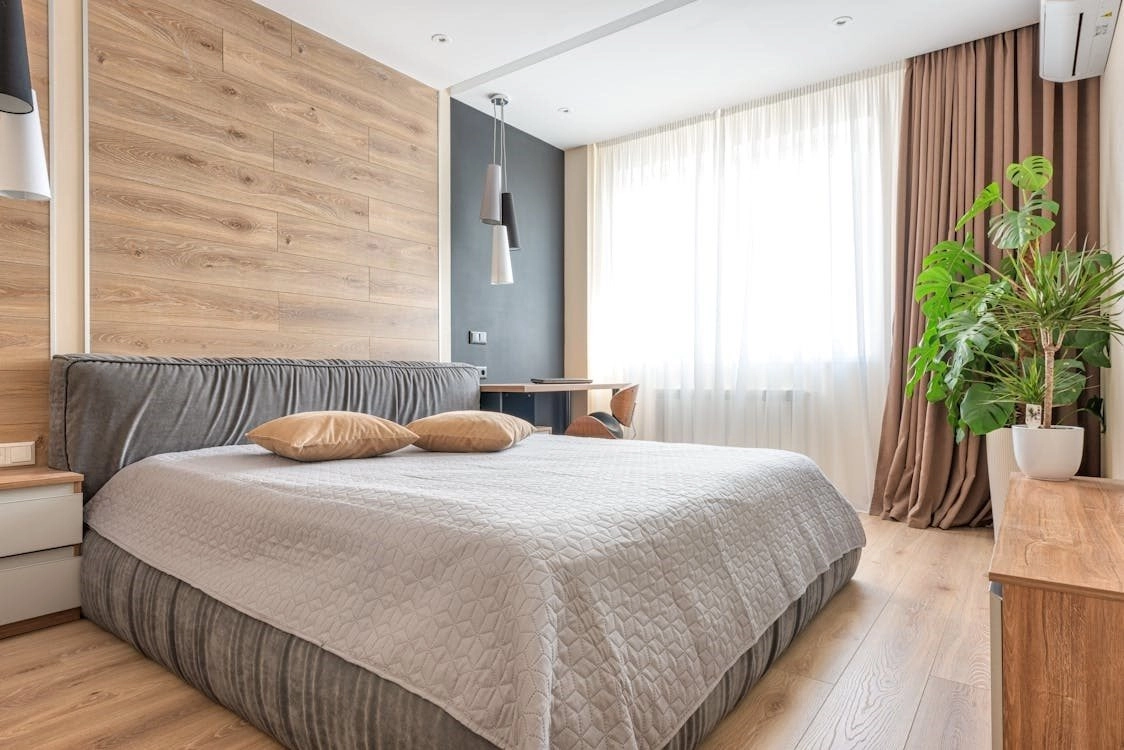
Warm whites and light greige sell in Denver, Aurora, Littleton and Highlands Ranch. Colorado light is strong and blue-white at altitude, so cool grays read cold in a north-facing room in winter and stark in a south-facing room at noon. Pick one warm white for walls and ceilings, one trim white, and stop there. A nature-inspired ideal color scheme with sage or clay accents matches the foothills views buyers are paying for.
Paint every room that has a color darker than tan, every scuffed hallway, and every ceiling with a water stain (fix the leak first; the buyer's inspector will ask). A 2,000 sq ft home takes a two-person crew three to four days. Book the crew for February if the listing goes live in April.
Yes, when a slab has lifted more than three-quarters of an inch or a crack is wider than a quarter inch. Colorado driveways crack for two reasons: bentonite clay swells when it gets wet and shrinks when it dries, and freeze-thaw cycles from October to April pry open every crack that holds water. Buyers' inspectors in the Denver metro photograph trip edges and write them up, and buyers use the write-up to ask for $3,000 to $5,000 in concessions.
Water the ground next to the new slab in dry months. Clay that dries out under one edge is what tilts a driveway in its first year.
Three things: hardware, faucet, backsplash. Swap dated brass pulls for matte black or brushed nickel, one finish across the whole kitchen and every bathroom. Replace the faucet with a pull-down model in the same finish. Add a backsplash if the wall behind the range is painted drywall; peel-and-stick tile costs $200 to $400 and takes a weekend, and real ceramic subway tile installed runs $900 to $1,500 for a standard kitchen.
Skip new countertops and cabinets when the sale is less than six months away. A $12,000 quartz job returns $6,000 to $8,000 at closing in the Denver metro. Hardware, faucet and backsplash together cost under $2,500 and return the full amount in showing traffic.
Showings in November through February happen after 4 pm, when the sun is behind the foothills. Put 2700K to 3000K LED bulbs in every fixture, replace any dated ceiling dome in a main room with a flush-mount fixture ($60 to $150 each), and add dimmers in the dining room and primary bedroom. A dark living room photographs small; a bright one photographs 20 percent larger to the eye.
UV at 5,280 feet fades a south-facing front door in three summers, and hail from May to September dents cheap metal fixtures. Do the following the month before photos:
Our post on 8 curb appeal fixes for Front Range sellers has the full outdoor checklist, and the Front Range xeriscaping guide covers the low-water yard.
Yes. A smart thermostat costs $150 to $250, installs in under an hour on most Front Range furnaces, and Xcel Energy has run rebate and demand-response programs for qualifying models; check the current offer on Xcel's site before buying. Add a video doorbell for $100 to $200. Together they tell a buyer the home has been kept current. Leave the accounts transferable and list both on the Colorado Seller's Property Disclosure as staying with the home.
A working central air system is the mechanical item buyers under 45 ask about first, and Denver now records more than 30 days above 90 degrees in a typical summer. Central AC on an existing forced-air furnace runs $5,000 to $9,000 installed, which is above this post's budget line; a home that has none competes against homes that do. When the budget stops short of AC, service the furnace ($120 to $200) and keep the receipt in the showing binder. Our post on mechanical upgrades Front Range buyers want ranks the rest.
Yes. Most Colorado counties sit in the highest EPA radon zone, and Colorado requires sellers to give buyers a radon advisory with the disclosure paperwork. A 48-hour test costs $150 to $250. A result above 4.0 pCi/L gets a mitigation system for $1,200 to $2,500, which is cheaper than losing a buyer at the inspection deadline. A seller who tests, mitigates and hands over the report removes the most common Front Range inspection objection before it starts.
On the ten items above, yes: the total for a 2,000 sq ft home that needs everything on the list, with a new driveway, is $12,000 to $22,000, and the price difference between a home that shows finished and one that shows worn in the same Denver metro neighborhood is $15,000 to $30,000 at the current median. Without the driveway, the list totals $3,000 to $8,000. The Smart Pricing Report shows the comps for your exact home in both conditions before you spend a dollar.
Denver metro listings peak from March through June, and the strongest buyer traffic hits the first two weekends after a listing goes live. Finish painting and repairs by the end of February, book photos in the first week of March, and list before the second week of April. Concrete work needs daytime temperatures above 40 degrees, so schedule a driveway for March or later and everything indoors for January and February. The best times to sell a house in Colorado post breaks the calendar down by month.
The Kenna Real Estate Group at Keller Williams DTC walks every seller's home before listing, marks the upgrades that return money in that neighborhood and skips the ones that do not, then prices the home with a Smart Pricing Report built from sold comps. Call or text 303-955-4220. A live person answers. Not a robot, not a phone tree. When the next home is part of the plan, search every home for sale in Colorado.
Questions about any home in Colorado? Call or text 303-955-4220. A live person answers.
A crew charges $4,000 to $8,000 for a 2,000 sq ft Denver metro home with walls, ceilings and trim in one warm white. Doing it yourself costs $300 to $600 per room in paint and supplies.
Bentonite clay under the slab swells when snowmelt soaks it and shrinks when it dries, and freeze-thaw from October to April widens every crack. Extending downspouts and keeping the soil beside the slab evenly damp slows it down.
No. Buyers see a finished wall in the photos, and a $200 to $400 peel-and-stick job reads clean at a showing. Install it straight, seal the edge behind the range, and it holds.
A Class 4 impact-resistant roof earns the buyer an insurance discount and goes in the listing remarks. Replace a roof only when it has hail damage or is past 20 years; a sound roof with no damage is not a pre-listing upgrade.
When the budget allows $5,000 to $9,000, yes; Denver records more than 30 days above 90 degrees in a typical summer and buyers ask about AC first. Otherwise service the furnace and keep the receipt.
A deep clean and declutter, $300 to $800 for a crew, done the day before the photographer arrives. Rooms photograph larger and showings start without odors.
Xcel Energy has run rebate and demand-response programs for qualifying smart thermostats in Colorado. Check the current offer on Xcel's site before you buy; the model list changes each year.