.jpg)



New - 8 Hours Ago
Curb appeal, an updated kitchen, a finished basement and energy-efficiency upgrades return the most money on a Front Range resale, in roughly that order for most Denver metro homes. The right project depends on your home's price point, its current condition and how much of the work you can finish before you list, and the numbers below give a starting budget for each one.
Curb Appeal: The Highest Return for the Lowest Cost
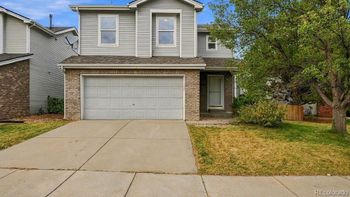
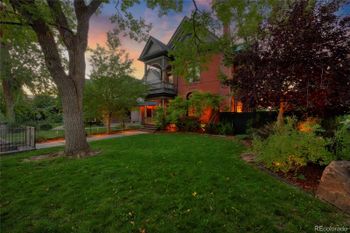
A fresh coat of paint on the front door, updated house numbers, a cleared front walk and healthy landscaping cost $500 to $3,000 and shape a buyer's first impression before they step inside. Front Range buyers form that impression from a listing photo first, so schedule curb-appeal work before your photographer arrives, not after your first showing.
Xeriscaping — replacing thirsty turf with native, low-water plants — pairs curb appeal with lower water bills under Denver Water's summer watering restrictions, and several Front Range water districts offer turf-replacement rebates that offset part of the conversion cost.
Kitchen Updates in the Denver Metro
A full kitchen remodel in the Denver metro runs $25,000 to $75,000 depending on finish level and returns roughly 60% to 80% of that cost at resale, based on national cost-versus-value data adjusted for local contractor pricing. A lighter refresh — new countertops, cabinet hardware, a tile backsplash and updated lighting — costs $8,000 to $18,000 and returns a higher percentage of its cost than a full gut remodel.
Buyers touring homes across Aurora, Lakewood and Centennial consistently respond to updated countertops and lighting over cabinet color alone, so prioritize those two items first on a limited budget.
Finished Basements Add Livable Square Footage
A finished basement in a Denver metro home adds usable square footage at a lower cost per square foot than a home addition, since the foundation, framing and roof already exist. Expect $30 to $60 per square foot for a standard finish with an egress window, bathroom rough-in and flooring, and confirm your jurisdiction's permit and egress-window requirements before starting; most Front Range cities require an egress window in any basement bedroom.
Roof Replacement After Hail Season
Front Range hail season runs from spring through September, and a roof with hail damage shows up on nearly every home inspection report in a storm year. A new asphalt shingle roof on a typical Denver metro home costs $9,000 to $18,000, and a Class 4 impact-resistant shingle costs more upfront but qualifies for an insurance premium discount with several Colorado carriers.
If your roof has documented hail damage, file the insurance claim before listing rather than pricing the repair into your asking price; a paid claim resolves the issue cleanly for the next buyer's inspection.
Energy-Efficiency Upgrades and Xcel Rebates
| Upgrade | Typical cost | Xcel Energy rebate |
|---|---|---|
| Attic insulation top-up | $1,500 to $3,500 | Available for qualifying homes |
| High-efficiency furnace | $4,000 to $9,000 | Available for qualifying units |
| Smart thermostat | $150 to $300 | Instant rebate on select models |
Check Xcel Energy's current rebate list before starting any of these projects, since the rebate amount and eligible equipment change from year to year. Federal solar tax credit rules have also shifted in recent years, so confirm current eligibility directly with a licensed installer rather than relying on an older figure.
Solar Panels: Value Driver or Selling Complication
Owned solar panels are a genuine value add in the Denver metro's high-sun climate. Leased solar systems complicate a sale, since the buyer has to qualify to assume the lease or the seller has to pay it off before closing. Confirm whether your system is owned outright or under a lease before you list, and disclose the lease terms up front if it's the latter, since buyers and their lenders both want that answered before they write an offer.
Flooring and Paint: The Fastest Updates
Replacing worn carpet with luxury vinyl plank or refinishing existing hardwood costs $3 to $10 per square foot and photographs far better than dated carpet in listing photos. A full interior repaint in neutral tones runs $3,000 to $6,000 for an average Front Range home and is consistently one of the highest-return, lowest-cost projects before listing.
Accessory Dwelling Units in Denver
Denver's zoning code allows accessory dwelling units on many single-family lots, and an ADU adds both living space and, for some buyers, rental income potential. Check our Denver ADU, zoning and historic district guide before committing to a design, since lot size, setback rules and historic-district overlays all affect what's allowed.
Repairs Before the Inspection Objection Deadline
Colorado's standard purchase contract sets an inspection objection deadline, and repairs negotiated after that date cost the seller a stronger negotiating position than the same repairs made before you list. A pre-listing inspection identifies roof, furnace, water heater and foundation issues while you still control the timeline and the contractor choice.
Front Range foundations sit on expansive, bentonite-heavy clay soil that swells and shrinks with moisture, and a home inspector checks for related cracking around doors, windows and the foundation itself. A structural engineer's letter addressing minor, cosmetic cracking ahead of listing keeps a buyer's inspector from flagging it as a bigger concern than it actually is.
Water Heaters, Furnaces and Radon Mitigation
A water heater past 10 to 12 years old and a furnace past 15 to 18 years old are two of the most common repair-request items on a Front Range inspection report. Replacing either ahead of listing, $1,200 to $2,500 for a water heater and $4,000 to $8,000 for a furnace, moves a predictable line item out of the buyer's negotiation.
Radon is common across Colorado's Front Range, and a pre-listing radon test with a mitigation system installed if levels test above the EPA action threshold, roughly $800 to $1,500 installed, removes one of the most frequent post-inspection negotiation points in the Denver metro.
How Much Buyers Notice Versus What You Spend
The projects that photograph well and register in a first walkthrough, kitchens, bathrooms, flooring and curb appeal, consistently outperform invisible upgrades like new plumbing or electrical panel work in terms of dollar-for-dollar return. That doesn't mean skip the invisible repairs; a failed electrical panel or old galvanized plumbing kills deals during inspection even though a buyer never notices it on a walkthrough.
Balance the two: fix what an inspector will flag, then spend your remaining renovation budget on what a buyer sees first. Our guide to flooring choices that boost home value in Denver's market breaks down one of the highest-visibility upgrades in more detail.
Where to go next
- Preparing and adding value before you sell a Colorado home
- Smart Pricing Report for Colorado sellers
- Denver ADU, zoning and historic district guide
- 10 upgrades that increase Colorado home value
- Does landscape lighting add value to your Colorado home?
Talk to the Kenna Real Estate Group
Deciding which upgrades are worth doing before you list a Front Range home, we can walk your property and tell you which projects buyers in your price point actually pay for. Call or text 303-955-4220. A live person answers. Not a robot, not a phone tree. Ready to look at homes? Search every home for sale in Colorado.
Homes for sale that match this post
- Homes with Finished Basement in Denver
- Curb appeal: guide
- Basement: guide
- Homes with Gourmet Kitchen in Denver
- Homes with Solar Panels in Denver
- ADU: guide
- All homes for sale in Denver
Guides
Questions about any home in Colorado? Call or text 303-955-4220. A live person answers.