Open: Fri 4:00 PM - 6:00 PM

.jpg)


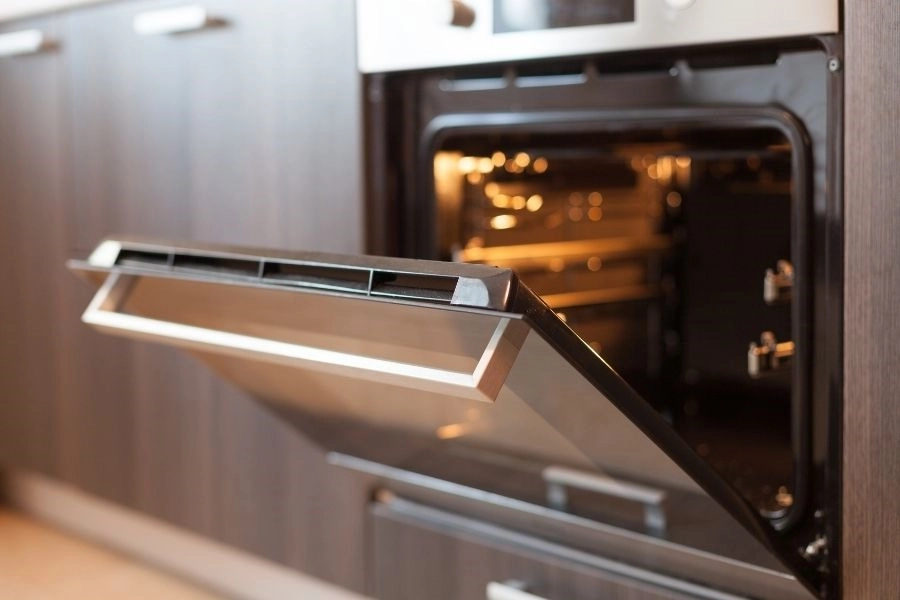
Five features separate an oven that works in a Front Range kitchen from one that fights the altitude: true convection heat, a digital temperature that holds steady, a clear glass door, fast and accurate preheat, and the right fuel type for your home's gas or electric setup. At 5,000 to 6,500 feet, thinner air and lower atmospheric pressure change how heat moves through food, which is exactly why the checklist below leads with convection instead of size.
Denver sits around 5,280 feet, Colorado Springs around 6,035 feet, and mountain towns west of the Front Range run higher still. At that elevation, water boils at a lower temperature, air pressure is lower, and baked goods rise faster and dry out sooner than the same recipe at sea level. An oven that heats unevenly makes every one of those effects worse. That's the real reason to prioritize convection and accurate temperature control over size or finish when you're shopping for a Colorado kitchen.
Convection ovens circulate hot air with a fan, which evens out the hot and cool spots every standard oven has and cooks 25 to 50 degrees cooler for the same result. At altitude, that even heat matters more than at sea level, since uneven heat compounds the faster-rising, faster-drying effect thinner air already causes in baked goods. Look for "true convection" or "European convection" specifically, which adds a dedicated heating element behind the fan rather than just circulating the oven's existing bottom heat.
Older analog dial ovens can run 15 to 25 degrees off their set point and drift further as the door opens and closes. A digital oven with a temperature probe holds within a few degrees of the target, which matters more in Colorado kitchens where recipes already need a temperature bump of 15 to 25 degrees and a shortened bake time to account for elevation. An oven that can't hold its set point makes every one of those adjustments a guess instead of a formula.
A full or partial glass door lets you check a dish without opening the door and losing heat, which matters more at altitude since a Front Range kitchen already runs a faster bake time and an open door drops the internal temperature further than it would at sea level. An interior oven light paired with the glass door removes the guesswork entirely.
A modern oven signals when it hits temperature instead of making you guess after 10 minutes. This matters for altitude baking specifically, since starting a bake before the oven is fully at temperature is one of the most common reasons a cake or bread recipe fails at elevation even when every other adjustment was made correctly.
Gas ovens heat up faster and give more direct control over stovetop flame, while electric and induction ovens hold a steadier, more even oven temperature, which is the bigger factor for baking accuracy at altitude. Xcel Energy serves natural gas and electricity across most of the Front Range, and a household's cost difference between gas and electric ovens comes down more to overall usage patterns and the home's existing gas line than to the oven itself. If a home doesn't already have a gas line to the kitchen, adding one changes the renovation budget significantly, so confirm what's already run to the space before choosing a fuel type.
Swapping one gas range for another gas range on the same existing gas line doesn't require a permit in Denver. Running a new gas line, adding a 220-volt circuit for an electric or induction range, or installing a new range hood vent through the roof or exterior wall does require a permit and licensed trade work before installation. Check with your city or county building department before a kitchen remodel that changes the fuel type or adds new venting.
A kitchen with a working, modern oven and range photographs better and draws fewer inspection objection items than one with a dated or malfunctioning unit. Full kitchen remodels rarely return their full cost dollar for dollar at closing, but a single appliance swap, a $600 to $2,500 oven or range replacement, is one of the lower-cost updates that removes an objection buyers raise during a Front Range home tour. Our guide to preparing and adding value before selling covers which kitchen updates pay back and which don't.
A standard 30-inch range fits most Front Range kitchen layouts built from the 1970s through today and covers the sizing needs of most households. Older Denver bungalows built before 1950 sometimes have a narrower 24-inch opening, which limits the range of replacement units without a cabinet modification. Measure the existing cutout width, depth and height before shopping, since a mismatch between a new range and an older cabinet opening is one of the more common surprises in a kitchen appliance swap.
A double oven or a wall oven paired with a separate cooktop reads as a premium feature in listing photos and appeals to buyers who host or bake regularly, but it rarely returns its full installed cost at resale on its own. It's worth the investment if you use it and plan to stay in the home for several more years; it's a weaker choice as a pure pre-listing upgrade compared to a straightforward single-range replacement, which fixes the same "does everything work" objection buyers raise, at a fraction of the installed cost.
Turn it on. Confirm both burners and the oven itself heat, check that the door seal isn't cracked or missing, and ask the listing agent for the age of the unit if it isn't listed in the disclosure. An oven older than 12 to 15 years is near the end of its typical service life and is worth factoring into your offer or your post-closing budget. Our closing costs guide and Colorado Home Buyer's Guide cover what else to check room by room before you write an offer.
For sellers weighing timing, a straightforward appliance swap takes one to three days from order to installation once the unit is in stock, well within a standard 30- to 45-day Front Range listing prep window. A full kitchen remodel runs weeks to months and requires planning around your target list date, county permit timelines and contractor availability, so start that conversation with your agent early if the kitchen needs more than an appliance swap before you go on the market.
Whether you're weighing an appliance upgrade before listing your Front Range home or checking the kitchen on a home you're about to tour, the Kenna Real Estate Group can walk the numbers with you. Call or text 303-955-4220. A live person answers. Not a robot, not a phone tree. Or start your own search at search every home for sale in Colorado.
Questions about any home in Colorado? Call or text 303-955-4220. A live person answers.
At 5,000 to 6,500 feet, lower air pressure makes baked goods rise faster and dry out sooner than at sea level. An oven with uneven heat makes both effects worse, which is why convection and accurate temperature control matter more on the Front Range than oven size.
Yes. Convection circulates hot air to even out hot and cool spots and cooks 25 to 50 degrees cooler for the same result, which offsets some of the faster-rising, faster-drying effect thinner mountain air causes in baked goods.
No, as long as it's a like-for-like swap on the existing gas line. Running a new gas line, adding a 220-volt circuit, or installing new range hood venting requires a permit and licensed trade work first.
A $600 to $2,500 range or oven replacement is one of the lower-cost updates that removes a common inspection objection item and photographs better than a dated or malfunctioning unit, without the cost of a full kitchen remodel.
Turn it on, confirm the burners and oven both heat, check the door seal for cracks, and ask for the unit's age. An oven older than 12 to 15 years is near the end of its typical service life.
Electric and induction ovens hold a steadier, more even temperature, which matters more for baking accuracy at altitude than a gas oven's faster stovetop response.