New - 15 Mins Ago

$1,150,000
Active
6
Beds
5
Baths
4555
Sqft
0.49
Acres
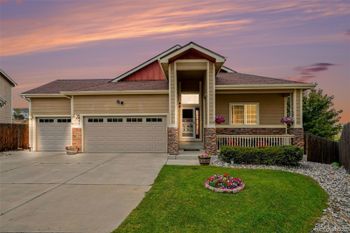
3530 Twisted Oak Cir, Colorado Springs, CO 80904
MLS#: 3785442
.jpg)


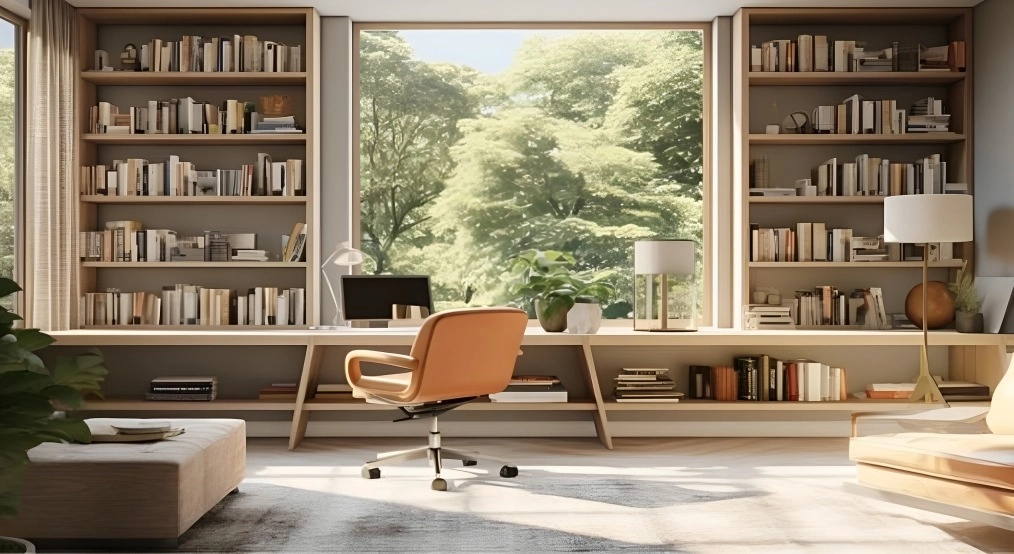
A Colorado home library needs five things a generic list from a wetter climate will skip: a defined footprint, shelving that won't warp in dry air, seating that holds up at 5,280 feet, light placement that keeps 300 days of sun off paper, and a way to manage humidity that regularly drops into the teens. Get those five right and the room works for reading, resale photos and remote work alike.
Denver, Aurora, Fort Collins and Colorado Springs sit at elevations between roughly 4,300 and 6,200 feet, where the air holds far less moisture than a home library guide written for a coastal or Midwest climate assumes. Indoor relative humidity on the Front Range regularly drops into the teens during winter heating season and again during hot, dry summer afternoons. That dryness is exactly what shrinks wood, cracks glue bindings and curls paper at the edges over a few years. The fixes below build around that fact instead of ignoring it.
A home library reads as a room, not a pile of books, when it has a boundary: a closed door, a half-wall, a step down, or a built-in that frames the space. In a Front Range ranch or split-level, that's routinely a formal dining room nobody uses, a main-floor bedroom near the entry, or a landing at the top of a stairway. In a two-story Denver or Highlands Ranch build, a loft that already gets used as a flex space is the easiest conversion.
Square footage matters less than boundary. A 90 to 130 square foot nook with shelving on two walls and one comfortable chair reads as a finished room in listing photos. A library-sized corner of an open great room reads as unfinished, no matter how many books are on the shelf.
Solid hardwood (oak, maple, walnut) and quality plywood with a sealed edge hold their shape in dry Front Range air far better than particleboard or unfinished MDF, which shrink, gap at the joints and sag under a full shelf of hardcovers within a year or two at this elevation. Seal every exposed edge, including the back panel, so the wood loses and gains moisture evenly across the piece instead of warping on one side.
Built-ins anchored to a wall stud handle a full shelf of books (roughly 30 to 45 pounds per linear foot for hardcovers) without sagging. Freestanding units under 200 pounds fully loaded should be anchored to the wall regardless of style, both for stability and because most Front Range homes sit on expansive clay soil that shifts slightly with the seasons and can tilt an unsecured tall piece over time.
Elevation itself doesn't wear out a chair frame, but the same dry air that affects shelving affects upholstered furniture with exposed wood legs or arms: solid wood holds its joinery better than veneer over particleboard. Look for a frame in solid wood or steel, cushions in a fabric rated for UV exposure if the chair sits near a window, and a design that doesn't rely on glued joints alone.
Colorado gets close to 300 days of sun a year and UV intensity at altitude runs higher than at sea level, which fades book spines and dries out leather bindings faster than in a lower, cloudier climate. Position shelving away from south- and west-facing windows where direct sun hits for hours, or add UV-filtering window film if the room only has one workable wall. Use warm LED task lighting over the reading chair instead of relying on the window for light.
A standalone humidifier sized for the room, run to hold indoor relative humidity between roughly 35% and 45%, protects paper, leather and wood without pushing moisture high enough to risk condensation on cold windows in January. A simple hygrometer on the shelf (under $20) tells you whether the room needs it season to season; Front Range homes need more humidification from November through March than they do in summer.
Appraisers don't add a line item for "home library," but a defined, photographed room reads better in listing photos and online tours than an open loft with no clear purpose. Buyers touring Front Range homes ask their agent directly about a dedicated office or reading room more than they ask about a generic bonus space. If you're weighing built-ins before a sale, our guide to preparing and adding value before selling covers which upgrades pay back and which don't.
Freestanding or wall-anchored shelving that doesn't move a wall, add wiring or change plumbing doesn't require a Denver building permit. Adding a new electrical circuit for lighting, moving an interior wall, or converting a garage or unfinished basement space into a livable room does require a permit before work starts. Check with your city or county building department before hiring a contractor, since requirements differ between Denver, Aurora, Highlands Ranch's HOA-governed subdivisions and unincorporated county lots.
A simple shelving build-out in an existing room, two walls of anchored shelving plus a reading chair, lands between $2,000 and $6,000 depending on wood choice and whether the work is DIY or contracted. Adding built-ins with crown molding, a library ladder, or custom millwork pushes the range to $8,000 to $18,000. Converting an unfinished basement corner into a library room, framing, drywall, flooring and an egress-compliant window if it's a legal bedroom-adjacent space, runs closer to $20,000 to $45,000 depending on square footage and finish level. Get two or three local contractor bids before committing to a scope, since labor pricing varies by county along the Front Range.
Yes, with two extra steps a single-family home skips. First, check the HOA's architectural review rules before installing wall-anchored built-ins in a condo or townhome; some associations require a submission for any change that alters a wall surface. Second, confirm weight limits with the building or association if the unit sits above the ground floor, since a fully loaded wall of hardcover books can add several hundred pounds to a small footprint. Our Highlands Ranch condo and townhome association guide walks through what associations review before approving interior changes like this.
Older Denver bungalows in neighborhoods like Berkeley and Sunnyside commonly have a formal dining room that converts easily. Newer two-story builds in Highlands Ranch, Castle Rock and Parker commonly include a main-floor flex room or an upstairs loft built for exactly this kind of conversion. If a defined library or office room is on your list for the next home, our agents can build a search around that floor plan feature; start browsing at search every home for sale in Colorado.
Whether you're adding a library to your current Front Range home or want a floor plan that already has one, the Kenna Real Estate Group can walk the tradeoffs with you room by room. Call or text 303-955-4220. A live person answers. Not a robot, not a phone tree. Or start your own list at search every home for sale in Colorado.
Questions about any home in Colorado? Call or text 303-955-4220. A live person answers.
Yes. Relative humidity on the Front Range regularly drops into the teens, which dries out glue bindings, curls paper edges and shrinks wood shelving over a few years. A humidifier held at 35% to 45% relative humidity slows all three.
No, as long as the work doesn't move a wall, add a new electrical circuit or touch plumbing. Any of those does require a Denver building permit before work starts.
Solid hardwood or sealed plywood with finished edges holds its shape far better than particleboard or unfinished MDF, which gap and sag in dry Front Range air within a year or two under a full load of books.
Appraisers don't list it as a separate line item, but a defined, well-photographed library or office room shows better in listing photos than an open, purposeless loft and gets asked about directly by Front Range buyers.
Keep shelving off south- and west-facing walls where direct sun lands for hours, or add UV-filtering window film if there's no other wall option, since UV intensity at altitude runs higher than at sea level.
Between roughly 35% and 45% relative humidity protects paper, leather and wood without risking window condensation in winter. A $20 hygrometer tells you when a room needs a humidifier running.
Older Denver bungalows with an unused formal dining room and newer two-story builds in Highlands Ranch, Castle Rock or Parker with a main-floor flex room or upstairs loft are the easiest conversions.
Shelving anchored into wall studs handles a full shelf of hardcovers, roughly 30 to 45 pounds per linear foot, without sagging. Freestanding units should be wall-anchored too, since expansive clay soil under many Front Range homes shifts slightly with the seasons.