New - 8 Hours Ago

$199,000
Coming Soon
1
Beds
1
Baths
700
Sqft
--
Acres
6455 E Bates Ave #103, Denver, CO 80222
MLS#: 4176398
.jpg)


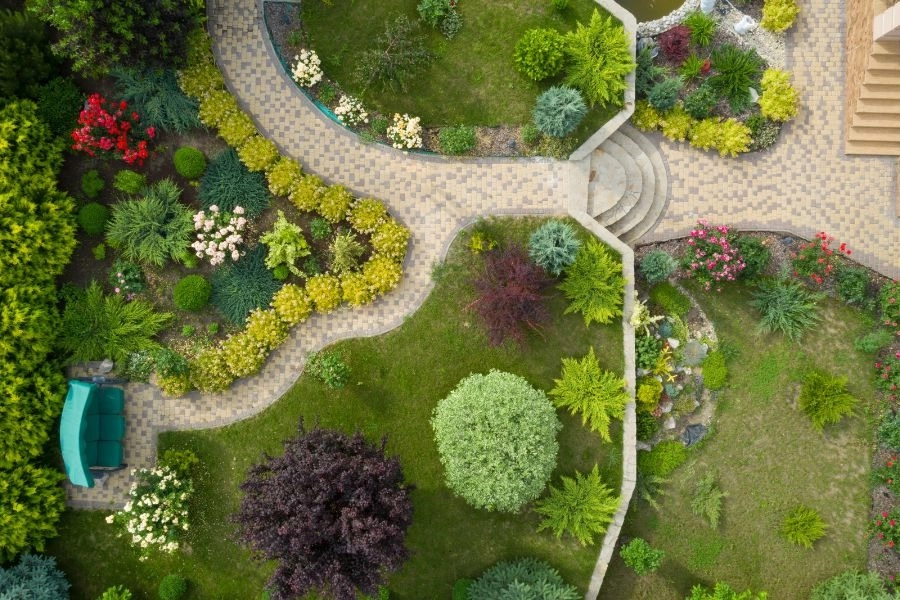
A Front Range garden needs protection from wind, hail and a short growing season more than it needs protection from pests or heat. Layered plantings, smart layout and hardy plant choices keep a Colorado yard looking intentional through spring hailstorms and summer wind instead of shredded by the first bad storm.
Colorado hail season runs spring through September, the same months most plants are actively growing, and Front Range wind gusts regularly top 30 to 40 mph near the foothills. Add intense UV at 5,280 feet and expansive clay soil that cracks in dry spells, and a garden built for a calmer climate struggles here without adjustments.
Walk the yard at different times of day to map full sun, wind-exposed corners and low spots where clay soil holds water after a storm. Note which beds face the prevailing west or northwest wind and which sit in a hail-exposed open area with no structure or tree cover overhead.
Yes. Tall, hardy trees planted as a windbreak on the exposed side of a yard cut wind speed for shrubs and smaller plants behind them, and ground covers below hold clay soil in place and cut erosion after a heavy spring rain. Arrange the tallest layer upwind of delicate plants rather than scattering heights randomly.
Large-leafed and thin-petaled plants take the most damage in a Front Range hailstorm. Position them under an eave, pergola or mature tree canopy where they get some cover, and choose thicker-leafed, native species for open beds with no overhead protection.
Gravel or paver paths on a compacted base move water away from planting beds and hold up to Front Range freeze-thaw heave better than poured concrete over clay. Define separate zones for seating, planting and utility so foot traffic does not compact the soil around root zones you are trying to protect.
Smart irrigation controllers that adjust to weather and soil moisture cut wasted water and help a garden stay inside Denver Water's or your provider's assigned watering days. Design software and apps let you plan bed layouts and irrigation zones before digging, which matters more here given the labor of working through clay soil.
Native and drought-tolerant plants bred for Front Range wind, altitude UV and clay soil need less water and less replacement after a bad season than plants suited to a milder climate. Pair hardy natives with a few drought-tolerant ornamentals for color, and check current advice on how technology transforms the landscape industry for irrigation and design tools worth using here.
A garden that still looks planned after a rough Colorado spring reads as low-maintenance to Front Range buyers, and it avoids the bare, storm-damaged look that can hurt curb appeal right before a showing. Our preparing and adding value before selling guide covers which outdoor upgrades matter most at listing.
Many Front Range metro districts control common-area landscaping directly and set separate design rules for individual lots, covering everything from fence height for a windbreak structure to which shrub species are approved along a shared property line. Read your covenants or ask the HOA before adding a fence-style windbreak, a raised bed border or a pergola meant to shield plants.
Homes near the wildfire-prone foothills commonly need to keep a cleared, low-fuel zone close to the structure, which limits how close tall shrubs or dense plantings can sit to the house itself. Plan protective layering farther out in the yard and keep the zone nearest the home lower-growing and well-spaced to meet defensible-space guidance.
A basic windbreak planting of a few trees and shrubs commonly runs a few thousand dollars installed, while a full redesign with irrigation, paths and raised beds can run well into five figures depending on lot size and material choices. Phasing the work, windbreak trees first, then layered shrubs and ground covers, spreads the cost across a few growing seasons without losing the protective effect.
Native and drought-tolerant plants commonly need one to two full growing seasons to establish strong roots before they show their full drought and wind tolerance. Keep new plantings watered on a normal schedule through that establishment period even if the long-term plan is a low-water xeriscape bed; skipping early water is the most common reason a new xeriscape planting fails.
A retaining wall can hold soil on a sloped Front Range lot, stop erosion after a heavy spring storm and create a level, protected planting zone that would otherwise wash out. Most Front Range cities and counties require a permit for a retaining wall over a set height, commonly around 4 feet, so check local rules before designing a wall into the layout.
A mature, well-placed tree does more windbreak and hail-canopy work than any new planting can provide for years, so protecting existing trees during a redesign is commonly more valuable than adding new ones. Watch for emerald ash borer and other pests affecting Front Range tree species, and have a certified arborist check tree health before building a design around it long-term.
Amending compacted Front Range clay with compost before planting improves drainage and root penetration enough that even hardy, resilient plants perform better than they would in unamended soil. Work compost into new beds at planting time rather than trying to fix soil structure around established plants later.
A thick layer of mulch protects soil structure and roots from both wind erosion and the compaction that hail-driven rain can cause, on top of its usual job of holding moisture. Wood mulch works well around shrubs and trees, while gravel mulch handles wind-exposed xeriscape beds better without blowing or washing away in a storm.
Whether you are protecting a garden on the home you already own or comparing yards on homes you are touring, the Kenna Real Estate Group can point you to Front Range neighborhoods built for this climate. Call or text 303-955-4220. A live person answers. Not a robot, not a phone tree. Or search every home for sale in Colorado right now.
Questions about any home in Colorado? Call or text 303-955-4220. A live person answers.
Hail season, which runs spring through September, overlaps with the active growing season and causes the most plant damage on the Front Range.
Yes. Tall, hardy trees planted upwind of shrubs and ground covers cut wind speed enough to reduce stress and physical damage to smaller plants behind them.
Thicker-leafed native and drought-tolerant species hold up better than large-leafed or thin-petaled ornamentals, which take the most hail damage.
Yes. Weather- and soil-based smart controllers cut wasted water and make it easier to stay inside your provider's assigned watering days during the summer season.
Gravel or paver paths on a compacted base hold up to freeze-thaw heave over expansive clay better than poured concrete without deep footings.
A garden that still looks planned after a rough spring reads as low-maintenance to buyers and avoids the storm-damaged look that hurts curb appeal before a showing.


