New - Just Now
.jpg)


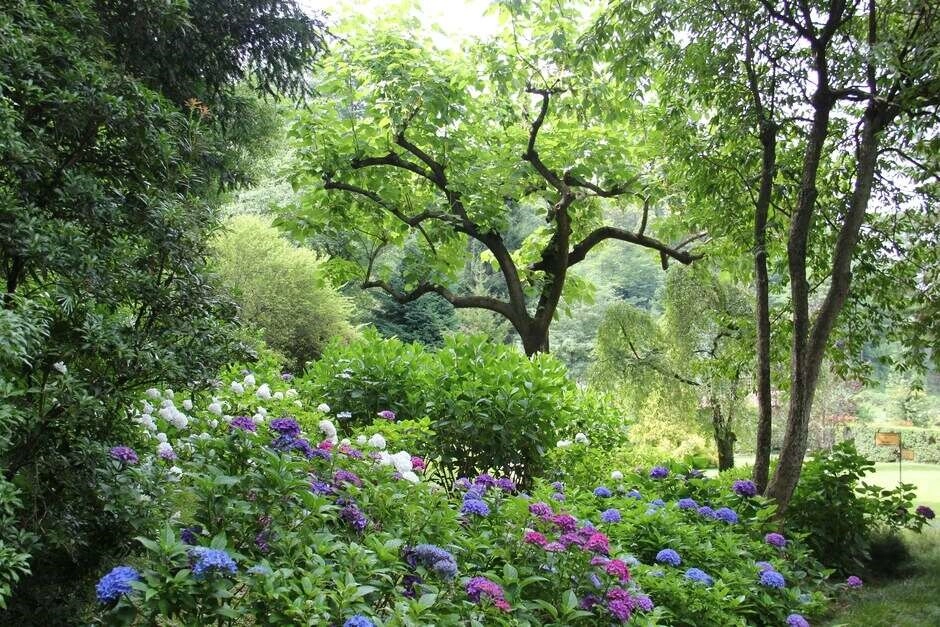
A Front Range yard fights three things a milder climate does not: a growing season that runs roughly late spring to the first fall freeze, expansive clay soil, and summer watering rules from Denver Water and most metro providers. Six changes cut the ongoing work without turning a Colorado yard into bare gravel, while still keeping a few benefits of spending time outdoors that make the effort worth it.
Front Range soil runs heavy in bentonite clay that drains slowly, cracks when dry and heaves plant roots during freeze-thaw cycles. Add roughly 300 days of sun a year, intense UV at 5,280 feet, and a short frost-free window, and plants that thrive elsewhere with little care need real planning here.
An electric mower handles a small Front Range lot in less time than a gas mower and needs less maintenance between uses. Buy the best-built tools your budget allows rather than the cheapest option; Colorado's UV and dust wear down low-grade plastic and rubber parts faster than a milder climate does.
Yes. Mulch holds moisture in clay soil that would otherwise dry and crack between waterings, which matters directly under Denver Water's summer watering-day limits. A 2 to 3 inch layer of mulch around beds cuts how frequently you need to water and adds organic matter to compacted clay over time.
Native and drought-tolerant plants bred for Front Range conditions need less water, less fertilizer and less ongoing attention than turf or plants suited to a wetter climate. Colorado State University Extension and local garden centers keep current lists of xeriscape-rated low-maintenance plants for this altitude and soil.
Colorado's 2024 law limiting new non-functional turf grass applies to commercial, industrial and HOA common areas rather than most single-family front and back yards, but a growing number of Front Range HOAs and metro districts set their own turf-percentage or xeriscape rules in the design guidelines. Check with your HOA before planting a large new lawn or ripping one out for synthetic turf.
Gravel or paver paths set on a compacted base handle Front Range freeze-thaw heave better than poured concrete, which cracks over expansive clay without deep footings. Paths also cut how much foot traffic compacts soil around planting beds, which keeps clay draining better over the growing season.
Raised beds let you bring in better-draining soil instead of fighting native clay, which matters on the Front Range where in-ground beds hold water after a storm and crack hard during a dry stretch. They also warm faster in spring, useful given Colorado's late frost risk and short growing season.
Weed-suppressing mulch, ground-cover plants and a woven weed-control fabric under mulch all cut weed pressure without extra irrigation. Front Range weeds establish fast after a spring rain, so a spring pass with fresh mulch before the growing season heats up prevents more work than pulling weeds all summer.
Denver Water and most Front Range providers set summer watering-day and time-of-day limits during the growing season. Xeriscape and drought-tolerant beds need far less supplemental water than turf, which makes it easier to stay inside those limits without brown patches by late summer.
A yard that looks intentional and low-maintenance reads well to Front Range buyers who do not want a high-water-bill lawn. Curb appeal from a well-planned xeriscape bed, clean paths and healthy mulched beds is one of the lower-cost improvements our preparing and adding value before selling guide covers.
Front Range frosts can hit late into spring and return early in fall, which shortens the frost-free planting window compared with milder climates. Watch local frost-date guidance from Colorado State University Extension before setting out tender plants, and keep row cover or frost cloth on hand for a late cold snap; a single overnight freeze can undo a spring's worth of work on unprotected seedlings.
Stronger UV at 5,280 feet can scorch leaves that would tolerate full sun at a lower elevation, so afternoon shade from a taller plant, a structure or a strategically placed tree helps sensitive plants make it through a Colorado summer. Space plants slightly wider than a sea-level guide suggests so air moves through the bed and reduces heat stress.
Front Range cottonwoods shed fluff in bulk early in the growing season, and dry spells kick up dust that settles on leaves and clogs drip irrigation emitters. Rinse foliage occasionally during peak fluff season and check drip lines for clogged emitters so a low-maintenance system does not quietly under-water a bed for weeks.
Xeriscape and native beds cost more up front for plants and mulch but cut ongoing water bills and mowing time, while a traditional turf lawn costs less to start but adds recurring water, fertilizer and mowing expense across a full growing season. Homeowners converting a full lawn to xeriscape commonly recover part of that up-front cost within a few seasons of lower water bills.
Some Front Range metro districts maintain common-area landscaping, entry monuments and detention ponds, but individual lot maintenance almost always stays the homeowner's responsibility. Check your metro district's service list against your HOA's covenants so you know exactly which beds, if any, are covered before budgeting time or money for your own yard.
Once xeriscape beds are established, most Front Range homeowners spend well under an hour a week on weeding and spot-watering during the growing season, compared with several hours a week mowing, watering and fertilizing a traditional turf lawn of the same size. The time savings compound most in a dry, hot stretch when a turf lawn needs daily attention to avoid stress.
| Approach | Typical water need | Front Range fit |
|---|---|---|
| Traditional turf lawn | High, daily in peak summer | Fights Denver Water day limits |
| Xeriscape / native beds | Low once established | Built for this climate and soil |
| Raised beds with mulch | Moderate | Avoids clay drainage problems |
Whether you want a low-water yard on the home you already own or you are hunting for a property with a xeriscape lot already in place, the Kenna Real Estate Group knows which Front Range neighborhoods fit that goal. Call or text 303-955-4220. A live person answers. Not a robot, not a phone tree. Or search every home for sale in Colorado right now.
Questions about any home in Colorado? Call or text 303-955-4220. A live person answers.
Yes. Denver Water and most Front Range providers set assigned watering days and time-of-day limits during the summer season; check your provider's current rules before planning irrigation.
Expansive bentonite clay, which drains slowly, cracks when dry and heaves with freeze-thaw cycles; mulch, raised beds and gravel paths all work around it.
A 2024 state law limits new non-functional turf on commercial, industrial and HOA common areas; many HOAs and metro districts add their own rules for single-family lots, so check your governing documents.
Yes. A well-planned xeriscape or low-water yard reads as intentional and cuts a buyer's future water bill concern, which helps at showings.
2 to 3 inches holds moisture in clay soil and cuts how frequently you need to water under Denver Water's summer restrictions.
For most Front Range lots, yes. Raised beds let you bring in better-draining soil instead of fighting native clay and warm up faster in spring given Colorado's late frost risk.