New - 1 Hour Ago

.jpg)


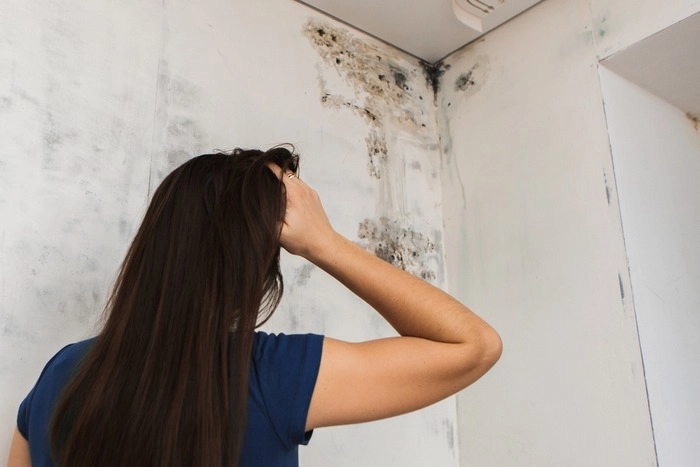
Colorado's climate is dry, but its soil is not the problem-free ground people assume: expansive bentonite clay under most of the Front Range swells when it absorbs spring snowmelt and pushes moisture straight at a foundation wall. Fix grading and drainage first, since most basement dampness here is a water-management problem outside the house, not humidity inside it.
Denver averages under 16 inches of precipitation a year, yet basement moisture calls to Front Range waterproofing contractors spike every spring. The reason is concentrated water, not ambient humidity: a fast snowmelt or a heavy spring rain saturates the clay soil around a foundation faster than it can drain away, and that water finds any crack, cold joint, or porous spot in a basement wall.
Bentonite and other expansive clays common under Denver, Aurora, Douglas County and Colorado Springs can swell 10% or more in volume when saturated, then shrink back as they dry. That cycle stresses a foundation wall every year, opening hairline cracks that widen over seasons and become the entry point for water the next time the soil saturates. A home built directly on expansive clay without proper foundation drainage is more exposed to this cycle than one on more stable ground.
A fast, warm melt after a heavy March or April snowstorm sends more water into the ground in a few days than a typical summer rain, and if gutters, downspouts and grading aren't routing that water away from the foundation, it pools right where a basement wall is most vulnerable. Homeowners who see water in the basement almost always see it first during or right after a big melt, not during a dry summer month.
| Fix | What it addresses | Typical Front Range cost |
|---|---|---|
| Grading and downspout extensions | Redirects surface water away from the foundation | $500-$2,500 |
| Interior sump pump system | Collects and pumps out water that reaches the foundation footing | $2,500-$6,000 |
| Exterior French drain and waterproofing membrane | Stops water before it reaches the wall | $8,000-$20,000+ |
| Crack injection repair | Seals an active crack with epoxy or polyurethane | $400-$1,500 per crack |
No. Mold needs moisture and a food source, not ambient humidity, and a damp basement wall or a wet carpet pad after a snowmelt event gives it exactly the microclimate it needs regardless of how dry the outdoor air is. A basement that floods or stays damp for more than 48 hours has real mold risk even in a state known for sunshine.
Mold in a finished basement also spreads inside wall cavities before it's visible on drywall, since a saturated baseboard or wet insulation stays damp long after the surface looks dry. Cutting a small inspection opening in a suspect wall, or using a moisture meter to check readings behind the drywall, catches a hidden problem before it spreads to framing.
Mold exposure is linked to respiratory irritation, allergic reactions and worsened asthma symptoms in sensitive individuals. Anyone with existing respiratory conditions should treat a damp basement as a priority repair, not a cosmetic issue, and a musty smell that returns after cleaning commonly means the moisture source was never fixed.
An interior sump pump system manages water after it has already entered the basement footing area; it's less expensive and less disruptive, but it doesn't stop water from reaching the foundation in the first place. Exterior French drains and a waterproofing membrane address the water before it touches the wall, which solves the problem at the source but requires excavation around the foundation and costs several times more. Homes with recurring, severe intrusion commonly need the exterior fix eventually; homes with occasional dampness after the biggest storms commonly do fine with an interior system.
Denver and most Front Range cities require a permit for exterior excavation work near a foundation, and utility locates are mandatory before digging. A licensed waterproofing contractor commonly handles both as part of the contract; confirm that in writing before work starts.
A sump pump sitting unused between storms still needs an annual test: pour a few gallons of water into the pit and confirm the float switch triggers the pump and the discharge line clears water away from the foundation, not back toward it. Add a battery backup, commonly $300 to $800 installed, for any home that has ever lost power during a spring storm, since a pump that can't run during an outage is exactly the failure point most homeowners discover during the flood it was supposed to prevent.
A radon mitigation fan and a moisture-control system both work in the same sub-slab and crawl space area but solve different problems, and installing one doesn't address the other. A home with both a radon system and a history of water intrusion needs a contractor who checks that the radon vent pipe seal wasn't compromised by any waterproofing work done around it, and vice versa.
Colorado sellers are required to disclose known material defects, and a past water intrusion event is exactly the kind of history a buyer's inspector will ask about directly. Get a mold assessment and a moisture reading before listing if the basement has ever taken on water, since a documented, resolved issue negotiates very differently than an undisclosed one discovered during the buyer's inspection window.
Buyers touring a Front Range home with a finished basement should ask directly whether the space has ever flooded, request any waterproofing invoices, and check for fresh paint or new baseboard trim in only one section of an otherwise older basement, a common sign of a targeted repair rather than a full disclosure.
The Kenna Real Estate Group helps Front Range sellers document and resolve basement moisture before listing, and helps buyers read an inspection report on an older home's foundation before the objection deadline passes. Call or text 303-955-4220. A live person answers. Not a robot, not a phone tree. Ready to look at homes now? Search every home for sale in Colorado.
Questions about any home in Colorado? Call or text 303-955-4220. A live person answers.
Concentrated water from spring snowmelt and heavy rain saturates expansive clay soil around the foundation faster than it drains, pushing moisture into cracks and joints regardless of the state's low average humidity.
An interior sump pump system commonly runs $2,500 to $6,000 installed, depending on basement size and whether an existing pit can be reused.
Yes. Mold needs moisture and a food source, not ambient humidity, so a basement that floods or stays damp after a snowmelt event carries real mold risk.
Condensation appears as a uniform film on cool surfaces and clears as humidity drops; a real leak shows a defined wet line or white mineral staining tracking back to a specific crack.
Yes, Denver and most Front Range cities require a permit and a utility locate before excavation work near a foundation begins.
Yes. Colorado sellers must disclose known material defects, and a documented, resolved water issue negotiates far better than one a buyer's inspector discovers on their own.
Interior sump systems cost less and manage water that reaches the footing; exterior French drains stop water before it reaches the wall but cost several times more and require excavation.