.jpg)


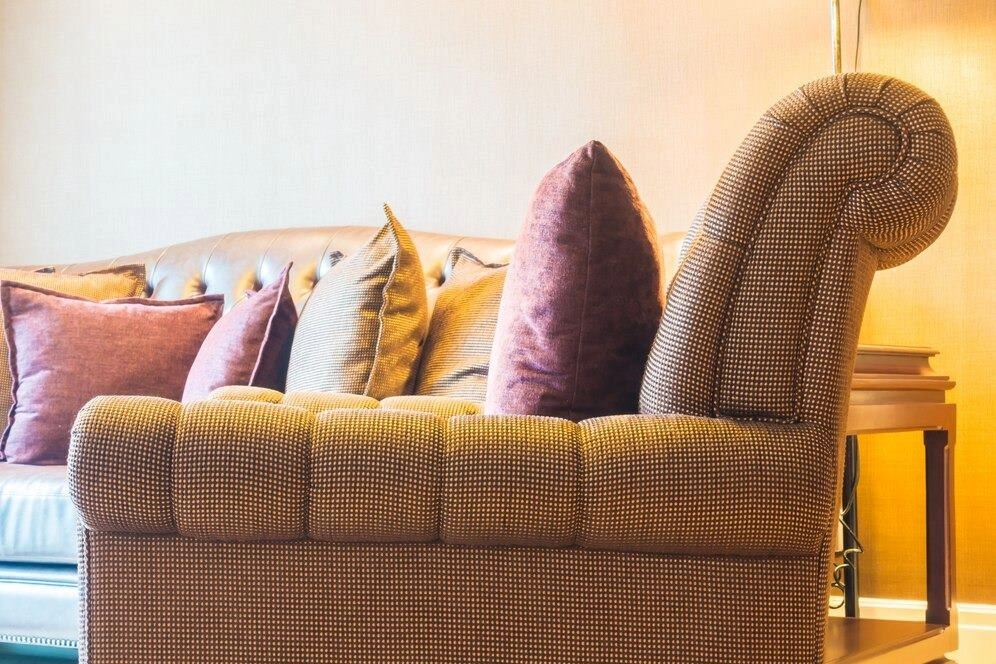
Upholstered furniture works harder in Colorado than in most states: dry winter air, intense high-altitude sun and hard tap water all speed up wear that a coastal or midwestern home would not see for years. Routine care keeps furniture looking new and keeps a Front Range home photo-ready if it ever goes on the market.
Why does upholstered furniture wear out faster in Colorado?
Front Range winter humidity runs 10% to 25% indoors, and that dry air pulls moisture out of natural fibers, making them brittle and more prone to pilling and tearing than the same fabric in a humid climate. Combine that with close to 300 days of sun a year and harder tap water in most metro cities, and upholstery ages faster here than the manufacturer's typical wear estimate assumes.
How does dry winter air damage fabric furniture?
Natural fibers (cotton, linen, wool blends) lose flexibility in low humidity and crack or thin at stress points like arm rests and seat edges. A console humidifier that keeps a room closer to 30% to 40% humidity slows this wear across an entire Front Range winter.
Does altitude affect upholstery fading and wear?
Yes. UV intensity increases with elevation, and Denver's 5,280 feet plus close to 300 sunny days a year fade unprotected fabric faster than at sea level. A sofa in a south- or west-facing room without UV-filtering window treatment shows visible color loss within one to two years.
How frequently should upholstered furniture be professionally cleaned?
| Household type | Recommended professional cleaning |
|---|---|
| No pets, light use | Every 12 to 18 months |
| Pets or frequent guests | Every 6 to 12 months |
| Before listing a home for sale | 4 to 6 weeks before photos |
Partnering with professional upholstery cleaners in your area keeps fabric fresh between deeper seasonal cleanings and catches stains before they set permanently.
Does hard water leave stains on fabric furniture?
Yes. Most Front Range metro cities run hard tap water, and mineral spray from a steam cleaner or a nearby humidifier leaves faint white rings on fabric if the water is not filtered or distilled. Use distilled water in any at-home steam cleaner used on upholstery.
What's the best way to remove pet hair and dander in a Front Range home?
A rubber pet-hair brush lifts embedded hair better than a standard vacuum attachment, and weekly vacuuming with a HEPA-filter vacuum reduces dander buildup that dry indoor air otherwise keeps airborne longer than in a humid climate.
How does wildfire smoke affect upholstered furniture?
Front Range late-summer wildfire smoke settles into open-weave fabric and open-cell foam and holds odor for weeks without treatment. An odor-neutralizing spray rated for fabric followed by a thorough vacuum with a HEPA filter clears most smoke smell; a lingering smell after that commonly means a full professional clean is due.
What fabric protectors work best at altitude?
Water- and stain-repellent sprays rated for indoor fabric create a barrier against spills and dust without changing the fabric's feel; reapply every 6 to 12 months, since dry air and UV exposure break the coating down faster here than in milder climates. Test any product on a hidden area first.
Should upholstered furniture be replaced before selling a Colorado home?
Not always. A deep clean and a fabric refresh spray commonly bring worn but structurally sound furniture back to a presentable state for listing photos and showings, at a fraction of replacement cost. Replace only pieces with visible tears, sagging frames or a smoke smell that cleaning does not fully clear.
How do you get upholstery smoke smell out before a showing?
Combine a baking-soda treatment (applied, left several hours, then vacuumed with a HEPA filter) with an odor-neutralizing spray rated for fabric, and air the room out with open windows on a mild Front Range day. For a stubborn smell, book a professional clean at least two weeks ahead of the first showing.
What's the cost difference between reupholstering and replacing?
Reupholstering a well-built sofa frame commonly runs $800 to $2,000 depending on fabric choice, while a comparable new quality sofa runs $1,800 to $3,500. A sturdy frame with dated or damaged fabric is commonly the better value to reupholster rather than replace outright.
How does sun exposure through west-facing windows affect fabric?
A west-facing room catches the most direct, low-angle sun in Front Range afternoons, and fabric there fades unevenly, lighter on the sun-facing side of a sofa than the shaded side. Rotate cushions regularly and add UV-filtering film or blackout cellular shades to slow this pattern. Buyers evaluating a Front Range home for its natural light should see the full picture in the Colorado home buyer's guide.
What upholstery care routine fits a busy Front Range household?
- Weekly: vacuum with an upholstery attachment, rotate cushions.
- Monthly: spot-check for early stains and treat immediately.
- Every 6 to 12 months: reapply fabric protector, book a professional clean if there are pets or frequent guests.
- Before listing: a full professional clean 4 to 6 weeks ahead of photos.
Does upholstery condition affect a home's resale value?
Upholstery itself is not appraised, but worn or stained furniture in listing photos reads as poor upkeep to buyers browsing online first. A clean, well-maintained sofa (or a fresh cozy sofa bed in a guest room or flex space) supports a stronger first impression without a full furniture replacement.
How do movers protect upholstered furniture during a Colorado move?
Wrap upholstery in breathable moving blankets rather than plastic, which traps moisture and can mildew fabric during a Front Range move between a cold truck and a warm house. Keep the piece out of direct sun during loading and unloading, since even a short exposure on a bright Colorado day starts the fading process.
Does upholstery care differ between Denver, Colorado Springs and Fort Collins?
The core routine stays the same across the Front Range, since dry air and strong sun affect fabric similarly in each city; the main local variable is dust. Colorado Springs and areas along the eastern plains see more wind-driven dust, which settles into upholstery faster between vacuuming sessions than in more sheltered Denver metro neighborhoods.
What should a buyer check about upholstered built-ins before closing on a Colorado home?
Built-in window seats and banquettes with upholstered cushions age the same way as freestanding furniture, and a buyer should check for sun fading, pet odor and stains during the walkthrough, since a seller's disclosure covers structural and system issues, not furniture condition. Note any concerns in writing before the inspection objection deadline so they factor into negotiations rather than surfacing after closing.
Where to go next
- Showing Your Colorado Home to Buyers
- Preparing and Adding Value Before Selling
- Why Amish Furniture Is a Smart Choice for a Sustainable Home in Colorado
- How to Stage Your Colorado Home When Downsizing
- Downsizing in the Denver Metro
- Kenna Real Estate Group Agents
Talk to the Kenna Real Estate Group
Not sure whether a piece of furniture needs cleaning, reupholstering or replacing before your Front Range home goes on the market? The Kenna Real Estate Group can walk the space and tell you exactly what buyers will notice. Call or text 303-955-4220. A live person answers. Not a robot, not a phone tree. Search every home for sale in Colorado at kennarealestate.com/homes.