New - 4 Hours Ago

.jpg)


A modern backyard plan on the Front Range starts from the climate, not the trend: a semi-arid state with a short growing season, hail season running from spring through September, and neighborhoods pushed against wildfire-prone foothills. The upgrades that hold up here combine water-wise planting, durable hardscape, and lighting built for a real outdoor season.
Denver Water's permanent watering rules cap automatic sprinklers at 3 days a week and bar daytime watering, and other Front Range providers set their own restrictions. A modern backyard plan shrinks the turf footprint to where people actually sit or play, and fills the rest with native, drought-tolerant plants that need a fraction of the water.
HB22-1151, passed in 2022, bars an HOA from prohibiting drought-tolerant, water-wise landscaping in place of turf. The HOA can still set design standards through architectural review, so submit a plan before installation, especially in a community with a strict covenant history.
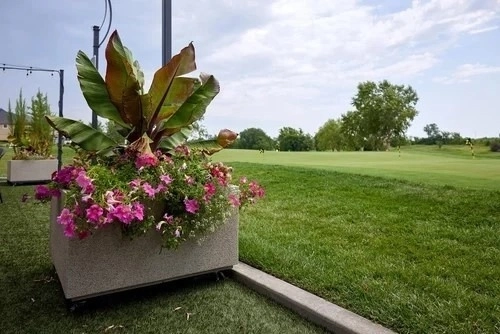
Thin ceramic and plastic planters crack within a season or two under Front Range freeze-thaw cycles. Concrete planters and other dense, frost-rated materials hold up through repeated winters and give a modern backyard a finished, permanent look instead of containers that need replacing every year or two.
Low-voltage LED landscape lighting extends usable outdoor hours during Colorado's shorter growing season and improves how a backyard photographs for a future listing. Choose fixtures rated for outdoor use through hail and freeze-thaw cycles, not standard indoor-rated hardware, and budget based on resources like this breakdown of landscape lighting costs before committing to a full system.
Front Range communities pushed against the foothills, from Golden and Morrison through parts of Colorado Springs, follow Colorado State Forest Service defensible space guidance that keeps flammable mulch and dense shrubs out of the first 5 feet around a home. The scale of destruction from major fire events, including the Palisades fires that hit the Los Angeles area, is a reminder that defensible space planning is not optional in a wildfire-adjacent Colorado neighborhood. Buyers looking at horse properties or acreage near the foothills should ask specifically about the property's defensible space history before writing an offer.
Emerald ash borer has moved through Front Range ash trees since it was confirmed in Boulder in 2013, and many cities now require treatment or removal once a tree shows infestation. A modern backyard plan replaces vulnerable ash with species better suited to the region, such as hackberry, Kentucky coffeetree, or bur oak, which also tolerate the area's clay soil and short growing season.
Patios, walkways, and retaining features need a properly compacted, permeable base to handle Denver metro's expansive clay; a thin slab poured on grade cracks and heaves within a few freeze-thaw seasons. Grade hardscape away from the foundation to manage stormwater the way Denver Water and local drainage codes expect. See how outdoor space and hardscape factor into pricing on the Smart Pricing Report page before budgeting a larger project.
On the Front Range, a documented water-wise redesign, durable lighting, and low-maintenance hardscape read to buyers as lower future costs, not just a prettier yard. A backyard that looks finished in listing photos, and holds up through a showing in any season, competes better than one that needs immediate work.
Not every upgrade needs to happen at once. This order reflects what matters most to Front Range buyers relative to its cost.
| Upgrade | Typical cost | Resale impact on the Front Range |
|---|---|---|
| Turf reduction and native planting beds | $4,000 to $12,000 | High; buyers respond to lower water bills |
| Low-voltage landscape lighting | $2,000 to $6,000 | Moderate to high; strong photo and showing impact |
| Frost-rated planters and entry staging | $300 to $1,500 | Moderate; inexpensive first-impression upgrade |
| Defensible-space clearing near the foothills | $500 to $3,000 | High in wildfire-adjacent zip codes; can affect insurability |
Plant in the spring or early fall to work around the short growing season and avoid the stress of planting into peak summer heat. Install lighting and hardscape in any season, but schedule concrete and paver work outside the deepest freeze-thaw stretch of winter, when a fresh pour cures unevenly. A phased approach spreads the cost across two budget cycles, front-yard visibility upgrades first, backyard hardscape and mature plantings the following season, rather than committing the full project budget to a single spring.
Confirm HOA architectural review requirements, check for any easement running through the planned work area, and verify irrigation zones before construction begins. Ask for the printable backyard-upgrade checklist in the form below and the Kenna Real Estate Group emails it the same day.
A lot that backs to open space or a trail corridor benefits from native plantings that blend with the surrounding landscape rather than an ornamental design that stands out and needs more water to maintain. A lot with full afternoon sun exposure does better with drought-tolerant species from the start than with a plan built around shade-loving plants that will struggle regardless of watering schedule.
The Kenna Real Estate Group works with Front Range sellers on which backyard upgrades photograph well and pay off before listing. Call or text 303-955-4220. A live person answers. Not a robot, not a phone tree. Search every home for sale in Colorado to see how yard condition compares across neighborhoods.
Questions about any home in Colorado? Call or text 303-955-4220. A live person answers.
A plan built around water-wise plant zones, a smaller turf footprint, durable hardscape, and low-voltage lighting, rather than a lawn-first layout that fights the state's semi-arid climate and rising water rates.
Well-placed, durable outdoor lighting improves listing photos, extends outdoor living hours during the shorter growing season, and reads as a finished, maintained yard to buyers touring in the evening.
Major wildfire events elsewhere, including the destructive fires that hit the Los Angeles area, are a reminder for Front Range foothills homeowners to keep the first 5 feet around the home clear of flammable mulch and dense shrubs under Colorado State Forest Service defensible space guidance.
Yes. Emerald ash borer has spread through Front Range communities since it was first confirmed in Boulder in 2013, and many cities now require treatment or removal of infested ash trees, which pushes homeowners toward replacement species less vulnerable to the pest.
On the Front Range, yes. A planter that cracks after one winter costs more over time than a fiberglass, high-fired ceramic, or concrete planter built to handle repeated freeze-thaw cycles.
Low-voltage landscape lighting on a standard transformer does not need an electrical permit in most cities; a new 120-volt circuit run from the house to power it does, so confirm scope with the local building department before wiring anything permanent.
Frost-rated entry planters and a basic low-voltage lighting package cost the least of the upgrades covered here and give the fastest visible improvement in listing photos and evening showings.


