New - Just Now
.jpg)


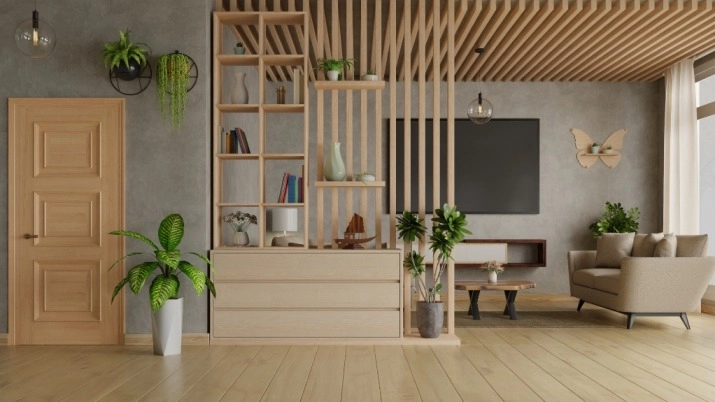
Natural wood accents are showing up in more Front Range listing photos this year because they photograph well and because they hold up to Colorado's dry, high-altitude climate better than some of the finishes they are replacing. For a homeowner deciding where to put renovation dollars before a sale, wood is worth a serious look, but not every wood update pays back the same amount.
The stark, handle-free, all-white look that dominated the last decade reads as cold in real estate photos, especially in a Colorado listing where natural light through south-facing windows is already a selling point. Warm Minimalism, sometimes called Japandi, keeps the clean lines but swaps synthetic laminate for walnut, ash, and white oak, and trades high-gloss lacquer for matte, oil-rubbed finishes. In a Front Range kitchen, that shift pairs well with the abundant natural light most Colorado homes already get, since matte wood surfaces do not glare the way high-gloss cabinetry does in a bright room.
Front Range humidity sits in the teens and twenties for much of the year, well below what solid wood furniture and flooring are built for in wetter climates. Untreated solid wood can crack, cup, or gap at the seams over a Colorado winter when indoor heating drops humidity even further. Engineered wood flooring and cabinetry, built with a plywood or composite core under a real wood veneer, handles these swings better than solid wood in most Front Range homes, and it costs less per square foot. Reserve solid wood for smaller accent pieces, like a butcher-block island top or a slat accent wall, where seasonal movement keeps visible damage to a minimum.
Not every wood update pays back the same amount before a sale. Kitchens and entryways matter most because they set the tone in listing photos and in person. A reclaimed wood island paired with two-tone cabinetry, dark lowers with a lighter wood upper section, reads as an intentional update rather than a dated leftover from a previous decade. A wood-slat accent wall in the entry is a lower-cost, weekend-length project for a handy homeowner that changes the first impression a buyer forms walking through the door.
Remote and hybrid work remain common across the Front Range tech and professional job market, and a dedicated home office is one of the features buyers actively search for in Denver metro listings. Premium wood shelving and a solid timber desk surface read as a finished, professional space rather than a converted spare bedroom. Wood also has real acoustic value here, since it absorbs sound better than drywall alone, which matters for a homeowner spending hours a day on video calls.
| Project | Typical Denver Metro Cost | Where It Matters Most |
|---|---|---|
| Wood-slat accent wall (one wall, DIY materials) | $300 to $1,200 | Entry, primary bedroom |
| Reclaimed wood kitchen island top | $1,500 to $4,000 | Kitchen |
| Built-in wood shelving, home office | $2,000 to $6,000 | Home office or den |
| Engineered wood flooring, per room | $2,500 to $5,500 | Living and dining areas |
Appraisers weigh permanent upgrades more heavily than decor. A built-in wood shelving unit or refinished hardwood flooring counts as a permanent improvement and can support a higher comparable value, while a movable wood accent piece does not. The National Association of Realtors' Remodeling Impact Report has consistently found that projects using natural materials, including wood flooring refinishing, recover a strong share of their cost at resale, though the exact recovery percentage shifts by report year and by local market conditions.
Front Range homes in wildfire interface areas, including parts of Boulder, Jefferson, and El Paso counties, should treat exterior wood decisions differently than interior ones. Local defensible-space rules restrict or discourage combustible wood siding, decking, and fencing within a set distance of the structure. If a natural wood look matters to you for the exterior, ask your contractor about fire-resistant treated wood products or composite alternatives that mimic the wood grain while meeting local defensible-space guidance before starting the project.
Smaller, lower-cost wood updates, like an accent wall or open shelving, are worth doing before listing because they cost little and photograph well. Larger investments, like a full wood-look flooring replacement, are worth checking against a current Smart Pricing Report first, since the return depends heavily on what similar homes in your specific Front Range neighborhood are already offering.
Wood works best paired with materials that create contrast rather than competing with it. Marble or quartz countertops next to a walnut island, brushed brass fixtures against a white oak vanity, or black steel window frames alongside a cedar accent wall all read as intentional, current design choices in Denver metro listings. Avoid pairing wood tones that clash, like a cool gray-washed floor under a warm honey-toned cabinet, since mismatched undertones are one of the more common staging mistakes sellers make.
For homeowners adding wood accents themselves, sourcing matters as much as design. Look for kiln-dried lumber rated for interior use and acclimated to indoor humidity before installation, which reduces the warping risk common at Front Range elevation. Many homeowners start with functional pieces, like solid wood products for open shelving, or high-end cutting boards as a low-cost way to bring the look into a kitchen without a full renovation.
Interior wood trim and cabinetry can develop hairline cracks at the joints as indoor heating drops winter humidity well below the 30 to 50% range wood finishes are designed around. Running a whole-home humidifier during heating season, common practice in many Front Range homes, reduces this risk significantly. Caulking seams before winter and using a paste wax or oil finish rated for wood movement, rather than a rigid polyurethane, also helps trim flex with seasonal humidity changes instead of cracking.
Listing photos with visible wood texture, an island top, an accent wall, open shelving, consistently draw more attention in online searches than an all-white kitchen with no visual contrast. That does not mean every buyer wants rustic or heavily grained wood; the current trend favors a lighter touch, one or two wood elements paired with cooler materials like marble or brushed brass, rather than wood covering every surface. A Front Range home staged with a single well-placed wood feature per room photographs better than one with wood everywhere.
The Kenna Real Estate Group helps Front Range homeowners figure out which design updates a buyer will actually pay for before a listing goes live, and which ones are better left for a buyer to choose themselves. Call or text 303-955-4220. A live person answers. Not a robot, not a phone tree. Thinking about your next Colorado home? Search every home for sale in Colorado.
Questions about any home in Colorado? Call or text 303-955-4220. A live person answers.
Permanent updates like built-in shelving or refinished wood flooring can support a higher comparable value at appraisal. Smaller decor-level accents help with buyer impression in photos but carry less appraised weight.
It can. Low Front Range humidity, regularly in the teens and twenties, causes solid wood to crack or gap over a winter heating season. Engineered wood handles these swings better for flooring and cabinetry.
The kitchen and entry, since they set the first impression in both listing photos and in-person showings. A reclaimed wood island or entry accent wall is a lower-cost, high-visibility project.
Check local defensible-space rules first. Many Front Range foothill communities in Boulder, Jefferson, and El Paso counties restrict combustible wood within a set distance of the home; treated or composite alternatives are the required substitute.
Engineered wood, with a real wood veneer over a composite core, handles the Front Range's dry, high-altitude climate swings better than solid wood flooring, and costs less per square foot.
A single wood-slat accent wall using standard materials runs $300 to $1,200 for a DIY installation, depending on wood species and wall size.
Remote and hybrid work are common across the Front Range professional job market, and buyers actively search for a dedicated office space. Wood built-ins and shelving make a spare room read as a finished office rather than a converted bedroom.
No. Appraisers weigh permanent, built-in improvements like shelving units or flooring more heavily than movable decor. A styled console table with wood accents helps buyer perception but not the appraised number.