New - 7 Hours Ago
$564,300
Active
2
Beds
2
Baths
2094
Sqft
0.11
Acres
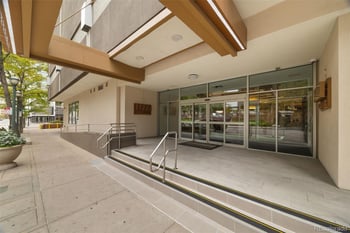
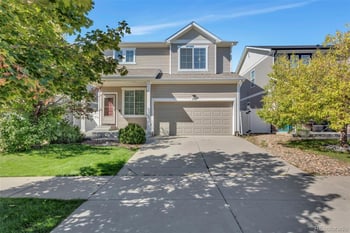
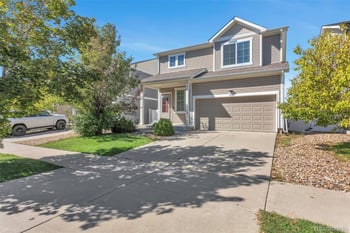
8080 E Dartmouth Ave #33, Denver, CO 80231
MLS#: REC4456908
.jpg)


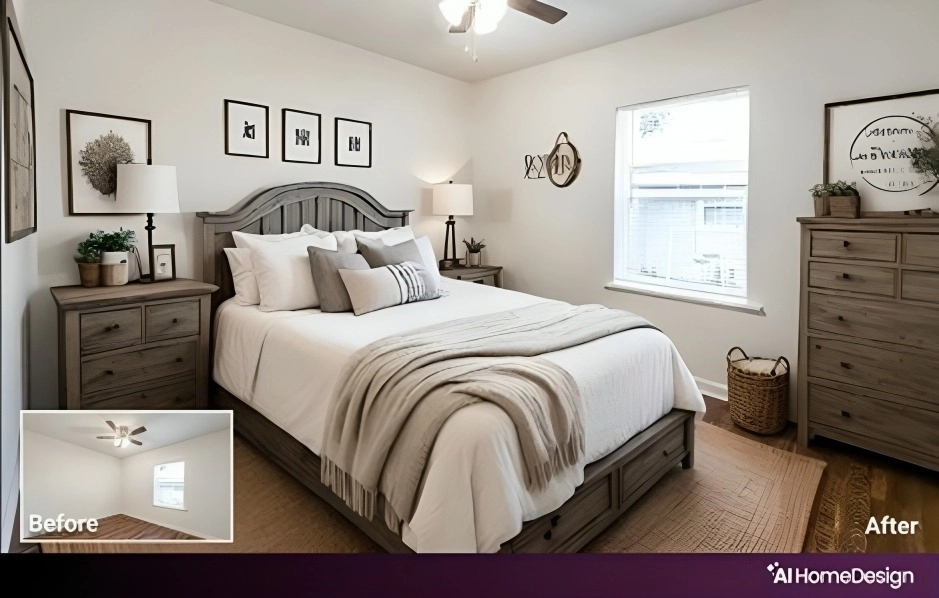
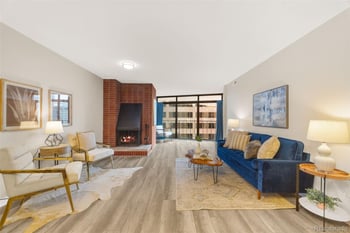
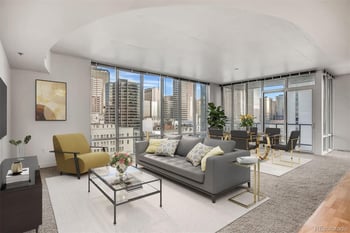
AI virtual staging places digital furniture into photos of an empty or lightly furnished room, and it costs a fraction of hiring a stager and renting furniture for a Denver metro listing. Done well, it helps buyers picture a room's use without misleading them about the home itself.
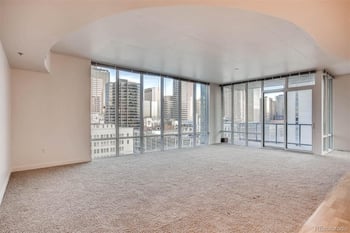
A photographer shoots the empty or sparsely furnished room, then software adds furniture, rugs and decor to the image digitally. The structure, finishes and dimensions of the room stay untouched; only the furnishings are added. Turnaround runs a day or two per set of photos rather than the week or more needed to source and place real furniture.
Yes, and it works well for vacant homes, which are common after a seller has already relocated for a job change along the I-25 corridor or moved into a 55+ community. A vacant living room in Aurora or Lakewood photographs as an empty box; the same room virtually staged shows buyers a workable furniture layout and scale.
| Approach | Typical cost per room | Turnaround |
|---|---|---|
| Live staging (rented furniture) | $500 to $2,000+ per room, per month | 1 to 2 weeks |
| AI virtual staging | $25 to $75 per photo | 1 to 2 days |
For a full-price Front Range listing, live staging of the main living spaces still commonly earns back its cost in a faster sale; virtual staging is the lower-cost option for secondary rooms, a finished basement, or a home priced to sell quickly.
Buyers accept virtual staging when the listing plainly states which photos are virtually staged, and they lose trust fast when a showing does not match the photos. Clear photo captions and an agent who explains the process at the showing keep expectations aligned.
REcolorado and most Colorado MLS platforms require a watermark or caption on any virtually staged photo identifying it as such. Ask the listing agent to confirm every virtually staged image carries that disclosure before the listing goes live.
No. Software adds furniture, not light; it does not correct a dark north-facing room or a harsh west-facing glare common in Front Range afternoons. Shoot photos at the time of day the room reads best, then add virtual furniture to that base image.
Vacant homes commonly sit longer than furnished, staged homes because empty rooms are harder for buyers to measure by eye. Virtual staging closes some of that gap at low cost, though it does not replace the walkthrough experience a live-staged home gives an in-person buyer.
Good virtual staging software matches the shadow direction and light temperature already in the base photo, so added furniture looks lit from the same window the room actually has. Ask to see a sample from the same time of day and season before approving a full set.
Yes, and this is one of the strongest uses in Colorado, where a finished basement is a standard feature buyers expect to see used. An empty basement photographed and virtually staged as a media room, gym or guest suite gives buyers a concrete use case instead of an unfinished-looking void.
Yes, builders across the Front Range use virtual staging on model-unit photos before a physical model home is finished, and resale sellers in new-construction-adjacent neighborhoods use the same approach to show a floor plan's potential ahead of move-out.
Luxury buyers in Greenwood Village and similar markets commonly expect a fully live-staged walkthrough, and virtual staging alone reads as a shortcut at higher price points. See the guide to evaluating luxury homes in Colorado for how staging expectations shift at higher price points. It works best there as a supplement for a secondary room, not a replacement for the primary living spaces.
A three-bedroom Front Range home fully live-staged commonly runs $2,000 to $6,000 for a 60 to 90 day listing period. The same home with virtual staging on 8 to 10 photos runs $200 to $750 total. Many Kenna sellers combine the two: live staging in the primary living room and kitchen, virtual staging for secondary bedrooms and the basement.
Virtual staging shows nothing about a room's condition beyond what furniture placement implies; it does not disguise a cracked wall, worn carpet or a smoke smell that a buyer notices at the showing regardless of the photos. Fix visible condition issues first, then use virtual staging to help buyers picture the finished space. AI virtual staging services like those built by aihomedesign.com and design planning tools for designing a space are widely available; a virtual staging app is another option worth comparing on turnaround and MLS-compliant watermarking before a listing goes live.
Ask for a sample edit on one of the actual listing photos, not a stock demo image, since shadow matching and furniture scale vary by vendor and matter more in a room with the strong, low-angle Front Range afternoon light than in a flat, evenly lit stock photo. Compare turnaround time against the listing's go-live date; a rushed edit shows seams around furniture edges that a buyer notices when they zoom in on MLS photos.
Yes, the process and cost run the same outside the Denver metro; the only local variable is which MLS the listing runs through and that MLS's own labeling rule for virtually staged photos. Confirm the disclosure requirement with the listing agent in Colorado Springs, Fort Collins or any Front Range market before photos go live, since rules can differ slightly by board.
The Kenna Real Estate Group helps Front Range sellers decide which rooms need live staging, which work fine virtually staged, and which just need decluttering. Call or text 303-955-4220. A live person answers. Not a robot, not a phone tree. Search every home for sale in Colorado at kennarealestate.com/homes.
Software that adds digital furniture and decor to photos of an empty or lightly furnished room without changing the room's actual structure or finishes.
Commonly $25 to $75 per photo, compared to $500 to $2,000 or more per room for a month of live staging with rented furniture.
Yes. REcolorado and most Colorado MLS platforms require a caption or watermark identifying any virtually staged photo.
For the main living room and kitchen, live staging still performs best for full-price listings; virtual staging works well for basements, bonus rooms and vacant secondary bedrooms.
It helps buyers judge scale and use in an empty room at low cost, though it does not fully replace the experience of walking through a furnished home.
No. It adds furniture to the existing photo; it does not change the room's actual light, layout or condition.
Yes, this is one of its strongest uses, since an empty finished basement is hard for buyers to picture as a media room, gym or guest suite without furniture.
Luxury buyers in markets like Cherry Hills Village and Greenwood Village commonly expect live staging for primary rooms; virtual staging works best there as a supplement.