New - 15 Mins Ago

$315,000
Coming Soon
2
Beds
2
Baths
1120
Sqft
0.09
Acres
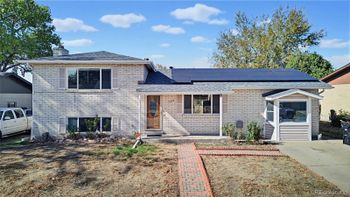
4086 S Yosemite St, Denver, CO 80237
MLS#: 3055251
.jpg)


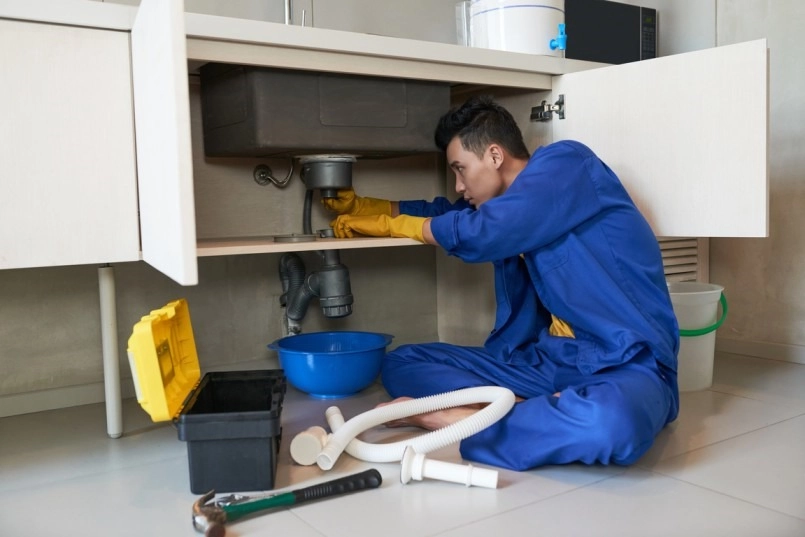
A drain that clogs again a few weeks after being cleared is rarely a one-time blockage; it's a sign of something structural in the line itself, and on the Front Range that's most commonly tree roots, an aging clay pipe, or ground movement from expansive soil. Clearing the clog treats the symptom, not the cause, which is why the same drain keeps backing up.
A single clog from grease, hair, or debris clears and stays clear. A drain that clogs repeatedly points to a partial blockage somewhere in the line that traps new debris every time, commonly a root intrusion, a bellied section of pipe that's sagged and holds standing water, or a pipe that's partially collapsed and narrowed the opening.
Mature trees along older Denver metro streets send roots toward any source of consistent moisture, and a sewer line with even a hairline crack or a loose joint is exactly that. Roots grow into the gap, expand, and eventually choke the line's flow, and this is one of the most common causes of recurring backups in neighborhoods with large, established trees, which describes much of Denver's older housing stock.
Homes built before 1970 in Denver, and some built into the 1980s, still run on the original clay or, in some cases, Orangeburg (tar-impregnated fiber) sewer line. Clay pipe sections join every few feet, and each joint is a potential entry point for roots; Orangeburg pipe deteriorates and can collapse on its own over decades regardless of root intrusion. Either material is a strong reason to get a sewer scope before buying an older Front Range home.
| Service | Typical Front Range Cost |
|---|---|
| Sewer scope inspection | $225 to $450 |
| Drain snaking / clearing a single clog | $150 to $400 |
| Trenchless pipe relining (per line) | $4,000 to $12,000 |
| Full sewer line replacement (open trench) | $6,000 to $20,000+ |
A sewer scope runs a camera through the line and records the footage, giving a buyer or seller a clear view of root intrusion, bellied sections, cracks, or material type before it becomes an emergency.
Denver metro's bentonite-heavy clay soil swells when it absorbs water and shrinks as it dries, and that repeated movement puts stress on rigid pipe running underground, sometimes cracking a joint or shifting a section enough to create a low spot where waste and debris collect. This is a distinctly Front Range and Colorado Springs issue, more common here than in regions with more stable soil.
Front Range water carries moderate to high mineral content depending on the water provider and whether a home is on a private well, and over years that mineral content deposits scale inside drain lines and fixtures, narrowing the effective diameter of a pipe the same way it scales a water heater. A water softener reduces this buildup going forward but doesn't clear scale already deposited in older lines.
Trenchless relining inserts a resin-saturated liner into the existing damaged pipe and cures it in place, creating a new pipe inside the old one without digging up a yard or driveway. It costs more than a simple clog-clearing service call but far less than full excavation and replacement, and it's become a standard option for Front Range homes with an aging but structurally viable line. A specialist like The Relining Company in Australia works with the same trenchless technology used by Colorado contractors, even though the company itself serves a different market.
A clogged yard or area drain is frequently a stormwater drainage problem rather than a sanitary sewer issue: grading that doesn't move water away from the foundation, a crushed corrugated pipe, or sediment buildup in a dry well all cause standing water and repeated backups after storms. A thorough look at grading and drainage, the kind of work covered by stormwater inspections, identifies whether the real problem is the drain itself or the grading feeding it.
An un-winterized sprinkler system left with water in the lines through a hard Front Range freeze can crack underground irrigation pipe, and the resulting leak sometimes drains toward the sewer line's trench or a nearby yard drain rather than surfacing as an obvious wet spot. A professional sprinkler blowout using compressed air to clear every line before the first hard freeze, commonly scheduled in October across the Denver metro area, prevents this specific cause of a mysterious yard drain or foundation-area clog showing up the following spring.
A sewer scope is not automatically required for a Colorado home sale the way a general inspection is, but it's increasingly standard for any home over 40 to 50 years old, since a clogged or collapsing line is exactly the kind of finding that surfaces during the Inspection Objection Deadline and can stall or reopen negotiations late in a transaction. A seller who scopes the line and, if needed, repairs it before listing avoids that late-stage surprise entirely.
Sewer line repair and replacement require a plumbing permit in Denver, Aurora, and most Front Range jurisdictions, and trenchless relining requires the same permit as open-trench replacement since it affects the same utility connection. A licensed plumber pulls the permit and coordinates any required inspection.
Water hardness varies by which utility serves a given Front Range address: Denver Water reports moderate hardness for most of the city, while some suburban providers and private wells run harder, and a home on a well sees the most mineral buildup over time since well water isn't treated the way a municipal system's is. A homeowner unsure which provider serves a specific address can check with the city or county utility department, since that answer also affects whether a water softener is worth installing.
Sewer scope inspections and pipe repair are specialized work, and getting more than one licensed Colorado plumber's assessment on a significant finding is worth the time before committing to a repair method. Companies outside Colorado, including Frankston Plumbing Group in the Melbourne area, follow much the same diagnostic process a Front Range plumber uses to trace a recurring clog back to its cause; you are free to use any licensed Colorado provider for the actual work.
The Kenna Real Estate Group helps Front Range sellers get ahead of sewer and drainage findings before they surface during the Inspection Objection Deadline, and helps buyers read a sewer scope report before writing an offer on an older home. Call or text 303-955-4220. A live person answers. Not a robot, not a phone tree. Ready to look at homes instead? Search every home for sale in Colorado.
Questions about any home in Colorado? Call or text 303-955-4220. A live person answers.
A repeat clog means a structural issue in the line itself, like root intrusion, a sagged section, or scale buildup, rather than a one-time blockage.
Yes. Many still run original clay or Orangeburg pipe, both of which are prone to root intrusion or age-related collapse.
$225 to $450 for a camera inspection of the full line.
It's a resin liner cured inside the existing damaged pipe, avoiding excavation. It costs $4,000 to $12,000 per line on the Front Range.
Yes. Bentonite clay soil swelling and shrinking with moisture can crack joints or shift pipe sections enough to create clog-prone low spots.
Yes, especially for a home over 40 to 50 years old, since sewer line condition isn't visible during a general inspection.
Yes, a plumbing permit is required for both trenchless relining and open-trench replacement.
It can. A finding during the Inspection Objection Deadline can lead to a repair credit request or renegotiation if not addressed before listing.