.jpg)


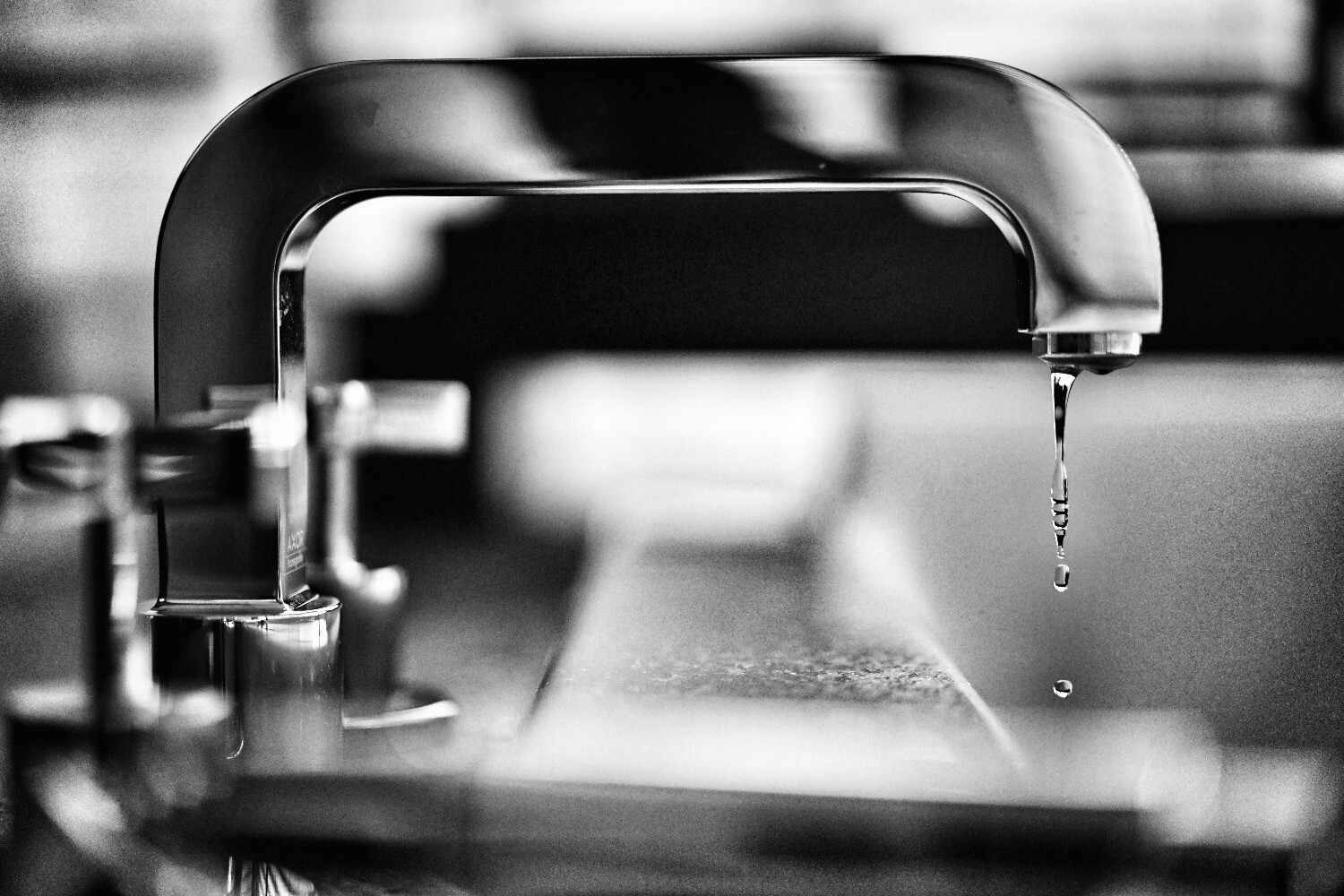
A single slow drain in one fixture is, in most cases, soap and hair. A clogged drain that keeps coming back in the same fixture, or clogs that show up in more than one part of the house at the same time, points somewhere else — toward the sewer line itself, one of the more expensive systems in a Front Range home to replace.
Does a clog in more than one drain mean a bigger sewer problem?
When a kitchen sink, a bathroom drain and a floor drain all back up around the same time, the blockage sits downstream of where those lines join, in the main sewer line leaving the house rather than in any one fixture.
Why do pre-1970 Denver homes have more sewer line problems?
Denver-area homes built before 1970 were commonly plumbed with clay or Orangeburg, a tar-impregnated fiber pipe, both of which crack, shift, and let tree roots in at the joints over 50-plus years underground. A slow or recurring clog in one of these homes is worth a camera inspection before it becomes a full backup.
How do tree roots get into a sewer line?
Roots grow toward the moisture and nutrients leaking from a joint that has shifted even a fraction of an inch, then expand inside the pipe until they narrow the flow to the width of a pencil. Mature trees within 15 to 20 feet of a sewer line's path are the most common source, and Front Range clay soil's seasonal expansion and contraction speeds up the joint movement that lets roots in to begin with.
How does expansive soil affect sewer and supply pipes in Colorado?
Colorado's bentonite clay soils expand when they absorb water and contract as they dry, a cycle that shifts and cracks buried pipe over years, particularly along the pipe's joints and where it passes under a foundation footing. Homes on the Front Range's clay-heavy soils, much of Highlands Ranch, Castle Rock, Douglas County and parts of Aurora, see this more than homes on sandier soil closer to the South Platte.
What does a sewer camera inspection cost, and what does it find?
A sewer scope runs $250 to $450 in the Denver metro and takes 30 to 60 minutes, threading a camera through a cleanout to the city connection. It finds root intrusion, cracked or offset clay joints, bellied sections holding standing water, and collapsed pipe, and gives a buyer or seller a repair estimate before it becomes an emergency backup.
What is Orangeburg pipe, and is it still in Denver homes?
Orangeburg pipe is a wood-pulp fiber tube bound with tar-based waterproofing, installed as a low-cost sewer line material roughly from the 1940s through the 1960s before clay and later PVC took over. It has an expected service life of 30 to 50 years, which means most remaining Orangeburg lines in Denver, Aurora and Lakewood are already well past that mark and prone to flattening into an oval shape under soil pressure even without a root problem. A sewer scope is the only reliable way to confirm whether a specific pre-1970 home still has it, since it looks identical to any other buried pipe from the surface.
Does a bellied sewer line section need full replacement?
A belly is a low spot in the pipe, most commonly from soil settling unevenly beneath it, that holds standing water and collects paper and debris even after the rest of the line runs clear. A short, mild belly can be managed with more frequent drain cleaning for years, but a belly that traps a full inch or more of standing water, or one near a joint that is also cracked, needs a spot repair or a trenchless liner to stop the recurring backups. A sewer scope report notes the belly's depth and length, which is the information a contractor needs to price the fix accurately.
| Repair type | Front Range cost |
|---|---|
| Drain cleaning / root cutting | $150 to $450 |
| Spot repair (one section) | $1,500 to $4,000 |
| Trenchless pipe lining, full line | $4,500 to $9,500 |
| Full dig-and-replace | $8,000 to $18,000 |
How does a sewer scope differ from a standard home inspection?
A general Front Range home inspection covers the plumbing a licensed inspector can see and test from inside the house: fixtures, visible supply lines, water pressure, and drain function at the point of use. It does not include running a camera down the sewer line itself, which sits outside the scope of a standard inspection agreement in most contracts and has to be ordered separately, either as an add-on through the same inspection company or through a licensed plumber. Buyers who assume a clean general inspection report means the sewer line is clear are working from an assumption the report never actually made.
What household habits cause recurring clogs?
Soap residue mixed with hard water minerals builds up inside drain lines over years in Colorado's hard-water municipal systems, narrowing the pipe from the inside even without a root problem. Grease poured down a kitchen drain does the same thing faster, since it hardens as it cools inside the pipe.
When does a clog need a plumbing company instead of a DIY fix?
A clog that returns within a week of clearing it, or one that affects more than one fixture, is past the point a store-bought drain cleaner solves. A licensed service such as M.A. Williams Drain Cleaning & Plumbing, or any licensed Front Range plumber since you are free to use any provider, runs a camera to find the actual blockage instead of guessing at it with another bottle of chemical cleaner.
Should a buyer ask for a sewer scope before closing?
Yes, especially on a Denver, Aurora, Lakewood or Wheat Ridge home built before 1970. A scope costs less than one month of a mortgage payment and answers a question that a home inspector's general walk-through does not cover in most standard inspection packages.
Does a seller have to disclose a known sewer line problem in Colorado?
Colorado's seller disclosure form asks directly about known defects in the sewer or septic system, and a seller who has an old scope report or a history of backups on file needs to disclose it regardless of whether a new buyer orders a fresh scope. A buyer who later discovers a known, undisclosed sewer defect has legal grounds to pursue the seller for the repair cost, which is one more reason sellers benefit from scoping and repairing a suspect line before listing rather than hoping it holds through one more closing.
Where to go next
- The Colorado home buyer's guide
- Closing costs for Colorado home buyers
- Denver property taxes guide
- Sewer line repair: how to spot a clogged sewer line
- Cost of drain cleaning: what homeowners should expect
- Search every home for sale in Colorado
Talk to the Kenna Real Estate Group
The Kenna Real Estate Group helps Front Range buyers order a sewer scope during the inspection period and helps sellers price and document a sewer line repair before it becomes a negotiating point. Call or text 303-955-4220. A live person answers. Not a robot, not a phone tree. Search every home for sale in Colorado while you weigh the repair against the purchase.