New - 4 Hours Ago

$1,200,000
Coming Soon
5
Beds
4
Baths
2614
Sqft
0.31
Acres
4183 S Zenobia St, Denver, CO 80236
MLS#: 7716509
.jpg)


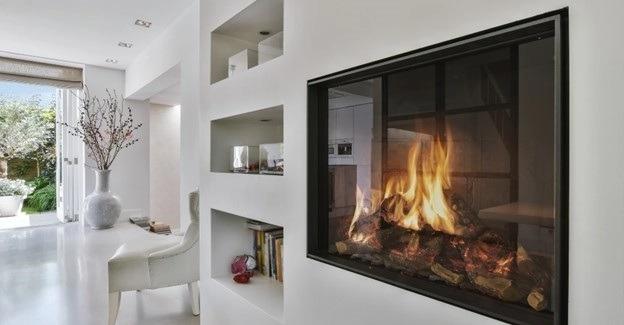
A gas insert or a re-faced masonry fireplace is the fireplace upgrade that adds the most resale value on the Front Range, mainly because it solves the two things Colorado buyers ask about first: an outdated look and a wood-burning unit their HOA or the metro's air-quality rules will not let them use freely.
Buyers consistently rank a fireplace as a wanted feature in Front Range listings, especially in Denver, Boulder and Colorado Springs where winter heating bills and mountain-cabin aesthetics both matter. An outdated brass-and-glass unit from the 1980s or a smoke-stained masonry surround reads as deferred maintenance, while a clean refaced surround or an efficient insert reads as a finished, move-in-ready home.
New construction across most of the Denver metro area has moved away from open wood-burning fireplaces because of the Regional Air Quality Control Division's rules on particulate emissions. Many builders now install gas units or EPA-certified wood inserts instead. If you are upgrading an existing wood-burning fireplace, converting it to a gas insert or a certified wood-burning insert brings it in line with what current buyers expect to see.
The Denver metro area issues voluntary and mandatory no-burn advisories on high-pollution winter days, during which uncertified wood-burning fireplaces and stoves cannot be used. An EPA-certified wood insert or a gas fireplace is exempt from these restrictions. Buyers who ask about this during a showing are reassured once they learn the fireplace is already upgraded and exempt.
Many Highlands Ranch, Castle Rock and Douglas County HOAs restrict or prohibit new wood-burning fireplace installations and regulate exterior chimney appearance. Check your HOA's governing documents before starting any exterior chimney or venting work, and keep written approval on file to show a buyer's agent during a sale.
Expect $3,500 to $6,500 installed for a mid-range gas insert in an existing masonry fireplace, including a liner and gas line run if one is not already present. Direct-vent gas fireplaces built into a new wall run $4,000 to $9,000 depending on venting distance and finish materials.
A stone veneer or tile refacing job runs $1,500 to $4,500 for a standard living-room fireplace and is one of the higher-return cosmetic upgrades available, because it changes the visual anchor of the room without a full remodel. Pair it with fresh paint on the surrounding wall and updated mantel trim for the biggest visual jump per dollar spent.
Xcel Energy periodically offers rebates on high-efficiency gas appliances, which can include qualifying gas fireplace inserts; program availability changes year to year, so check current offers directly with Xcel Energy before budgeting a rebate into the project.
Colorado's low humidity dries out mortar joints and creosote deposits differently than wetter climates, and dry creosote ignites more readily in a chimney fire than the tarry buildup common in humid regions. An annual chimney sweep and inspection before heating season catches this before it becomes a fire or insurance issue, and a clean inspection report is worth keeping for a future sale.
Converting a wood-burning fireplace to gas, or adding a new gas line, requires a mechanical and gas permit from the city or county building department. Denver, Aurora, Lakewood and most Front Range jurisdictions require final inspection sign-off before the work can be disclosed as code-compliant on a sale.
Yes. Colorado's seller disclosure requires noting known defects and the type of heating features in the home, and a buyer's inspector will identify the fireplace type regardless. Disclosing a recent chimney sweep or insert installation up front turns a question mark into a selling point instead of an inspection surprise during the objection period.
An outdoor fireplace or built-in fire pit extends usable outdoor living season into Colorado's long shoulder seasons and is well received by buyers who use their patio from March through Halloween. Cost runs $2,500 to $8,000 depending on materials and gas versus wood-burning design, with HOA approval required in most planned communities before installation.
An electric insert is the lowest-cost upgrade, $300 to $1,200 installed, and works well in a condo or townhome where gas lines or wood-burning chimneys are not an option. It reads as a cosmetic refresh rather than a mechanical upgrade, so it helps a listing photograph well but adds less resale value than a true gas or wood conversion in a single-family home.
Cost and visual impact do not move together in a straight line. A refacing project changes the room the most per dollar spent, while a gas insert conversion solves the wood-burning restriction question that stalls some buyers during a showing. Here is how the common options compare for a typical Front Range living-room fireplace.
| Upgrade | Typical cost | What it solves |
|---|---|---|
| Electric insert | $300 - $1,200 | Cosmetic refresh, no gas line or chimney needed |
| Surround refacing (stone or tile) | $1,500 - $4,500 | Updates the dated look without touching the firebox |
| Gas insert conversion | $3,500 - $6,500 | Removes wood-burning restrictions, adds real heat output |
| New direct-vent gas fireplace | $4,000 - $9,000 | Adds a fireplace where one does not exist, code-compliant venting |
| Outdoor fireplace or fire pit | $2,500 - $8,000 | Extends the home's living space into Colorado's shoulder seasons |
For most sellers weighing a project list against a closing date, a surround refacing paired with a chimney sweep and inspection report covers the visual and fire-risk questions a buyer is most apt to raise, at a fraction of the cost of a full gas conversion.
Listing photos sell the room before a buyer ever schedules a showing, so a fireplace that is clean, has a current-looking surround and shows no soot staining on the wall above it photographs well even if the mechanical upgrade is still on your list. That said, a buyer's inspector will test the unit during due diligence, so anything cosmetic-only should still be disclosed as such rather than implied to be a working, updated system.
Fireplace work is one of several visible, moderate-cost upgrades worth weighing against flooring, paint and kitchen refreshes before a Front Range listing goes live. Our guide to preparing and adding value before selling a Colorado home walks through how to prioritize projects by return, and our pricing your Colorado home to sell page explains how upgrades like this factor into a Smart Pricing Report.
The Kenna Real Estate Group helps Front Range sellers decide which upgrades, including a fireplace refresh, are worth the cost before listing, based on what buyers in your specific price range and neighborhood are actually asking for. Call or text 303-955-4220. A live person answers. Not a robot, not a phone tree. Ready to see comparable homes first? Search every home for sale in Colorado.
Questions about any home in Colorado? Call or text 303-955-4220. A live person answers.
Yes, especially converting an outdated wood-burning fireplace to a gas insert or refacing the surround, since Front Range buyers respond to both the updated look and the exemption from Denver's no-burn day rules.
A mid-range gas insert installed in an existing masonry fireplace runs $3,500 to $6,500, including the liner and gas line if one is not already present.
The Regional Air Quality Control Division issues no-burn advisories on high-pollution winter days that restrict uncertified wood-burning units. EPA-certified inserts and gas fireplaces are exempt.
Many Highlands Ranch, Castle Rock and Douglas County HOAs restrict new wood-burning installs and regulate exterior chimney changes. Check your governing documents and get written approval before starting work.
It is not legally required, but a recent chimney sweep and inspection report is worth having on hand since Colorado's dry climate dries out creosote in a way that raises chimney fire risk, and it reassures buyers during the inspection period.
A stone veneer or tile refacing job for a standard living-room fireplace runs $1,500 to $4,500 and is one of the higher-return cosmetic upgrades for the cost.
Yes. Converting a wood-burning fireplace to gas requires a mechanical and gas permit with final inspection sign-off from the city or county building department before the work can be disclosed as code-compliant.
Yes, an outdoor fireplace or fire pit extends outdoor living into Colorado's long shoulder seasons and costs $2,500 to $8,000, with HOA approval required in most planned communities.