.jpg)


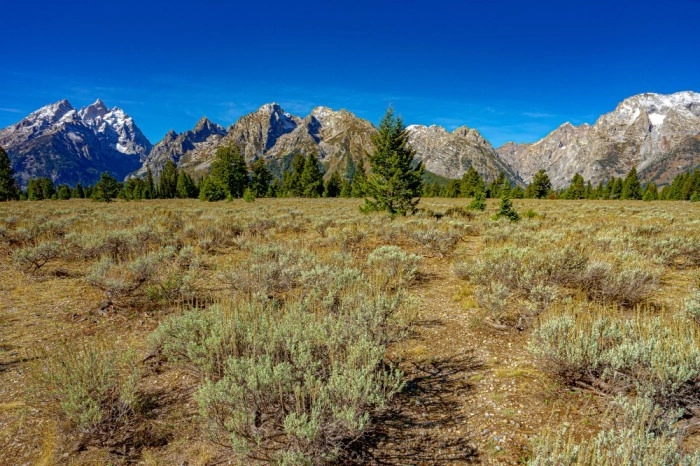
A cash land buyer in Colorado closes in 2 to 4 weeks and pays 15% to 40% under market value. A land Realtor takes 90 to 180 days on the Front Range and nets you more after a 5% to 10% commission. Pick cash when you need the money inside 30 days or the parcel has a problem a retail buyer will not finance; pick the listing when the land has legal access, a water answer and buildable zoning.
This guide covers what Colorado sellers ask before choosing: how much cash buyers discount, how long a listing takes, what the 35-acre rule, water rights and mineral rights do to price, what you must disclose, and which $1,500 tests add $20,000 to an offer.
Why selling land is not like selling a house in Colorado
A house on the Front Range has a buyer pool of everyone who needs a place to live and a lender willing to finance 95% of it. A vacant parcel has a buyer pool of builders, investors, horse owners and people who want to build one home, and a lender who wants 20% to 50% down at a rate 1 to 3 points above a mortgage. Farm Credit lenders and local credit unions write most Colorado land loans; the big mortgage banks do not.
That is why a large share of Colorado land trades close for cash or with seller financing, and why the sales path you choose changes the price more than it does for a home.
| Sales path | Time to close | Price against market value | Seller costs | Best for |
|---|---|---|---|---|
| Cash land buyer | 2 to 4 weeks | 15% to 40% under | None beyond title work | Deadline sales, landlocked or no-water parcels, low-value lots |
| Land Realtor (MLS listing) | 90 to 180 days | At market | 5% to 10% commission plus $2,000 to $6,000 in tests and survey | Buildable acreage, horse property, growth-corridor lots |
| For sale by owner | 120 to 365 days | Under market from mispricing | Your time, marketing, attorney review | Adjoining-owner sales where the buyer is already known |
| Auction | 45 to 90 days to a set date | Unpredictable | 5% to 10% buyer or seller premium | Estates and large ranch splits |
How much less does a cash buyer pay?
Cash buyers price at a discount that covers their resale profit and the risk they take on unknowns. On a $40,000 lot in Park County or Costilla County, an offer of $15,000 to $25,000 is the norm; on a $400,000 buildable 35 in Elbert County, offers land between $240,000 and $340,000. The mailers that arrive after every county assessor update are computer-generated at 30% to 50% of assessed value. A real cash buyer such as Prime Land Buyers gives a written offer, uses a Colorado title company, and closes on the Commission-approved land contract. Any buyer who asks you to sign a deed before funds are in escrow is not a buyer.
How long does land take to sell with a Realtor?
Plan on 90 to 180 days from listing to closing on the Front Range and 6 to 12 months for remote mountain or plains parcels. Land buyers move slowly because they need a survey, a soil test, a water answer and a utility quote before they commit. Parcels that arrive on the MLS with those documents already in the listing sell in half the time. A land Realtor posts to REcolorado plus the land portals (LandWatch, Land and Farm, Lands of America) and prices from land comps, not house comps. Our Colorado horse properties for sale page shows what buyers of acreage are comparing your parcel against today.
What commission do land Realtors charge in Colorado?
5% to 10% of the sale price, higher than the 2.5% to 3% listing side on a home, because land takes longer, needs more due diligence and sells for less. On a $250,000 parcel that is $12,500 to $25,000. Every fee is negotiable and must be written into the Colorado Exclusive Right-to-Sell Listing Contract. Land under $50,000 is where the commission math favors a cash sale; at $250,000 and up, the exposure wins.
What does the 35-acre rule do to price?
Under Colorado Revised Statutes 30-28-101, a parcel of 35 acres or more is exempt from county subdivision review, which is why so much rural Colorado is cut into 35s. A 35-acre parcel also qualifies for an exempt domestic well permit from the Colorado Division of Water Resources that allows household use, livestock watering and up to 1 acre of irrigation. A parcel under 35 acres gets a household-use-only well in most counties and needs county approval for any split. Buyers pay a premium per acre for a legal 35 with a well permit over a 34.5-acre remnant without one.
Do water rights and the well permit sell with the land?
Only when the deed says so. Colorado water law is prior appropriation, and a water right or ditch share is a separate property interest that conveys only if listed in the contract and deed. A well permit is tied to the parcel and transfers, but the permit's allowed uses do not change. Before you list, pull the well permit from the Division of Water Resources records, confirm the pump test, and list any ditch shares by name and number. A parcel with a producing well and a permit saves the buyer $15,000 to $40,000 in drilling and moves first.
Do I own the mineral rights?
On the eastern plains, in Weld, Adams and Arapahoe counties over the DJ Basin, the minerals under many parcels were severed decades ago and belong to someone else. Colorado's purchase contract carries a required oil, gas, water and mineral disclosure, and the buyer's title commitment shows the severance. A severed mineral estate lowers value for buyers who want to build, because the mineral owner has the right to reasonable surface access. Pull a title report before you price so the number is yours to explain, not the buyer's to discover at day 25.
What must a Colorado land seller disclose?
- The Seller's Property Disclosure (Land). The Colorado Real Estate Commission form covering water, septic, access, easements, environmental conditions and known defects.
- Mineral severance and any surface use agreement. See above.
- Special districts. Land inside a metro district carries a mill levy that a buyer's lender flags; our Denver special district tax guide explains how the levy works.
- Known conservation easements, covenants and HOA membership. These follow the land and change what a buyer can build.
Which tests raise the price?
Spend $2,000 to $6,000 before listing and recover it several times over. A buildable answer is what land buyers pay for.
- Boundary survey, $1,500 to $5,000. Pins in the ground and a recorded plat end the number one land dispute. The difference between an improvement location certificate and a survey is explained in Colorado ILC vs. land survey.
- Soil profile and percolation test, $500 to $1,500. Required by county health departments under Colorado Regulation 43 before a septic permit. On bentonite clay, the result decides whether the buyer faces a $15,000 conventional system or a $35,000 engineered one.
- Legal access confirmation. A recorded easement or county road frontage. A landlocked parcel loses 30% to 50% of its value and most of its financed buyers.
- Utility quotes. Written line-extension quotes from Xcel Energy or the rural cooperative (CORE, United Power, Poudre Valley REA, Mountain View Electric). Quotes run $10,000 to $50,000 by distance, and a buyer who has the number in hand writes an offer.
- Zoning letter. A county planning letter stating the zoning district, minimum lot size and whether a single home, a barn or a second dwelling is allowed.
The full pre-sale checklist for acreage is in what Colorado landowners should know before selling vacant property.
Does selling ag-classified land change the taxes?
Yes. Colorado assesses vacant land at the non-residential rate, roughly four times the residential rate, so a vacant lot pays more tax per dollar of value than a home. Land with an agricultural classification is taxed on its farming or grazing production value instead, which cuts the bill sharply. The classification stays only while the agricultural use continues; a buyer who stops leasing the grass sees the assessor reclassify the parcel and the tax bill rise within two years. Say so in the listing and keep the grazing lease in place through closing.
How does wildfire risk affect land value?
Parcels in the wildland-urban interface in Jefferson, Boulder, Douglas and Larimer counties face insurer restrictions on any future home and county ignition-resistant building codes. Buyers check the Colorado State Forest Service wildfire risk viewer before they visit. A parcel with a cleared defensible zone, a maintained access road that a fire engine can turn around on, and a water source photographs and sells better than the same acreage under untouched timber.
What taxes do I pay when I sell?
The gain over your cost basis is a capital gain at the federal rate for your bracket, and Colorado taxes it as ordinary income at the state's flat rate. Land held over one year gets the long-term federal rate. A 1031 exchange into another investment property defers the gain when you identify the replacement inside 45 days and close inside 180. A buyer who needs a loan on your parcel has one lender we name: Mike Oswald, VP of Mortgage Lending at Rate, NMLS 261003, Equal Housing Lender. You are free to use any lender. Our Colorado home financing guide covers land and construction loans.
FSBO or auction?
For sale by owner works when the buyer is already known, such as the neighbor who has grazed the parcel for years; use a Colorado attorney and the Commission-approved land contract. Auctions set a sale date and suit estates splitting a large ranch, but the hammer price is unpredictable and the premium runs 5% to 10%. For everything else, get two written cash offers and a land Realtor's valuation side by side; the spread tells you what speed costs. For a house instead of land, the same comparison is in cash home buyers in Denver: when selling for cash makes sense.
Where to go next
- Colorado horse properties and acreage for sale
- Colorado horse property buying guide
- Selling land in Colorado before you sell for cash
- Pricing your Colorado property with the Smart Pricing Report
- The Colorado Home Seller's Guide
- Search every home and parcel for sale in Colorado
Talk to the Kenna Real Estate Group
The Kenna Real Estate Group at Keller Williams DTC prices Colorado land from land comps, orders the survey and soil test before listing, and puts your parcel in front of builders, horse owners and investors across the Front Range. Call or text 303-955-4220. A live person answers. Not a robot, not a phone tree. Looking for your next place? Search every home for sale in Colorado.
Homes for sale that match this post
- Pool: guide
- Horse property: guide
- Homes on Wooded Lots in Boulder
- Special Districts Property Tax Guide in Boulder
- HOA Rules and Fees Guide in Boulder
- Mountain View: guide
- All homes for sale in Boulder
Guides
Questions about any home in Colorado? Call or text 303-955-4220. A live person answers.