New - 1 Hour Ago

.jpg)


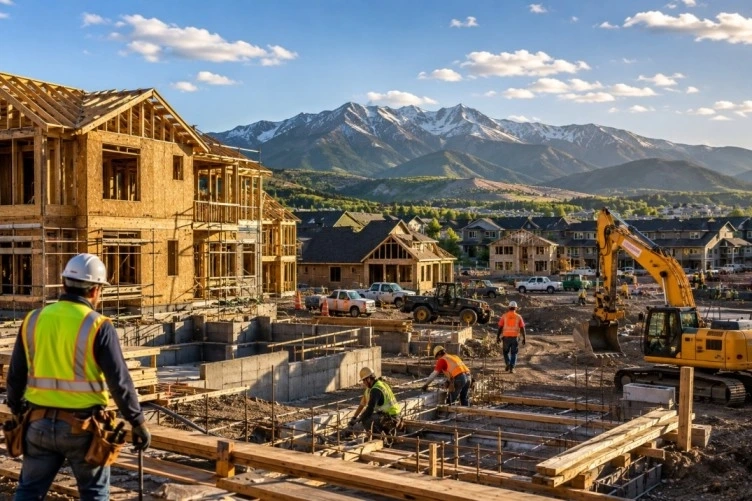
A well-run Denver construction site protects three things at once: your schedule, your insurance coverage, and your liability if someone gets hurt on your property. Property owners who treat job-site management as the general contractor's problem alone find out too late that Colorado law puts real exposure on the owner too.
Colorado workers' compensation covers an injured employee through their own employer, not through you. The gap shows up when a subcontractor is uninsured, misclassified, or working for a company whose policy lapsed. In that case the injured worker, or their attorney, looks at the property owner next. Before a shovel touches your lot, get a certificate of insurance directly from every contractor and subcontractor on the project, not just the general contractor's word for it. If a worker is hurt on your property, an attorney such as Harrell and Harrell can explain how a property owner's liability differs from a contractor's workers' compensation coverage, and what your homeowner's policy does and does not pick up.
Denver requires a licensed contractor for most trade work, including electrical, plumbing, mechanical and general building work above minor repairs. Colorado itself has no statewide general contractor license, so licensing is set city by city and county by county. A contractor licensed in Aurora is not automatically licensed to pull a Denver permit, and the reverse is true. Ask for the license number and confirm it directly with the building department before you sign, not after the deposit clears.
Denver, Jefferson, Arapahoe and Douglas counties each run their own permit desks, and a project that crosses a city line needs separate applications. Structural work, electrical panel changes, plumbing re-routes, additions, tall decks and most window replacements all need a permit and a scheduled inspection before the work is closed up behind drywall. Skipping this step does not save time; it sets up a stop-work order the day an inspector or an appraiser notices.
Colorado's mechanic's lien statute (C.R.S. Title 38, Article 22) lets an unpaid subcontractor or material supplier file a lien against your property even after you paid the general contractor in full. The lien attaches to the title, not to the contractor, and it stays there until it is released or resolved. Ask your general contractor for lien waivers from every sub and supplier as each payment is made, and keep them in the project file. A title company asks for them the day you go to sell or refinance.
Colorado's hail season runs spring through September, and a single storm halts roofing, siding and exterior framing work for days while crews shift to storm-damage repairs across the metro. Build that stretch into your timeline expectations if your project touches the exterior; a schedule that assumes clear weather every week of construction season is not a real schedule.
Much of the Front Range sits on bentonite-heavy, expansive clay soil that swells when it absorbs water and shrinks when it dries out. Foundation, footing and excavation work here needs soils testing and engineered footings that a national-average schedule does not account for. A contractor who has not built on Denver-area clay before under-bids the excavation phase and loses the time back later.
Exterior work, roof material changes, fence lines and additions inside an HOA or a metro district need architectural review before the city permit, on top of it. Submit to the HOA first; a permit from the city does not override a covenant, and undoing exterior work an HOA rejected after the fact costs more than the delay of asking first.
Colorado's seller disclosure form asks directly whether work was done with a permit. Answering honestly on an addition, finished basement or electrical panel upgrade that was never permitted puts the burden on the buyer's inspector and appraiser, and it routinely leads to a price reduction or a credit at closing instead of full value for the work. Permitted, inspected work is what an appraiser credits toward square footage and value; see preparing and adding value before selling for what counts.
| Risk left unmanaged | What it costs on a Front Range project |
|---|---|
| Uninsured subcontractor injury on site | $10,000 to $100,000+ in owner liability exposure |
| Work started without a permit | A stop-work order plus $500 to $5,000 in retroactive fees and fines |
| A failed inspection | 1 to 3 weeks added per re-inspection |
| An unpaid subcontractor files a mechanic's lien | A lien recorded against your title that delays or blocks a sale |
| Missed HOA or metro district approval | Forced removal or a redo of the exterior work |
Reviewing your own contractor selection and permit records before you list is part of preparing a Denver-area home for sale. See pricing your Colorado home to sell and when to hire a stucco contractor before listing your home for how permitted work factors into price.
Some Front Range jurisdictions let a homeowner pull an owner-builder permit and act as their own general contractor on their own residence. Doing this shifts every liability point covered above, insurance verification, subcontractor payment, lien risk, directly onto the homeowner instead of a licensed GC. It works for owners with construction experience and the time to manage a job site daily; it is a heavier lift than most first-time renovators expect.
Gas appliances installed above about 2,000 feet need derating for the thinner air, and Denver sits above 5,000 feet across the entire metro. A furnace, water heater or range installed without altitude derating runs inefficiently and trips its combustion shutoff repeatedly. Confirm your HVAC and plumbing subcontractors have experience with high-altitude installation specifically, not just general experience from a lower-elevation market.
A written contract should name who removes construction debris and when, weekly, at each phase, or only at project completion. A site with debris left over multiple weeks is a liability and code-compliance problem on its own, and it is worth naming a dumpster schedule in the contract rather than assuming the crew handles it as they go.
Before you list a home with recent construction, the Kenna Real Estate Group reviews your permit history and contractor documentation with you so nothing surprises a buyer's inspector. Call or text 303-955-4220. A live person answers. Not a robot, not a phone tree. Or search every home for sale in Colorado.
Questions about any home in Colorado? Call or text 303-955-4220. A live person answers.
No. Colorado has no statewide general contractor license. Licensing is set by each city and county, so a contractor licensed in one Front Range city is not automatically licensed in the next one.
If the subcontractor's employer has no workers' compensation coverage, the injured worker's claim reaches the property owner next. Confirm insurance for every sub, not just the general contractor, before work starts.
Yes. Colorado's mechanic's lien law lets an unpaid subcontractor or supplier file against your property even after you paid the GC in full. Lien waivers at each payment protect against this.
Hail season runs spring through September, and a single storm pulls roofing and exterior crews to storm-damage repairs for days, pushing exterior-work schedules back.
Most Front Range HOAs and metro districts require architectural review for exterior work, roof material changes and additions, separate from, and ahead of, the city permit.
Colorado's seller disclosure form asks directly about permits. Unpermitted work discovered by a buyer's inspector or appraiser leads to a price reduction or a credit at closing.
A standard homeowner's policy excludes an open renovation. Builder's risk coverage protects materials and the structure while the project is underway.
Much of the region sits on expansive, bentonite-heavy clay soil that swells and shrinks with moisture, requiring soils testing and engineered footings that add time to the excavation phase.


