New - 7 Hours Ago

.jpg)


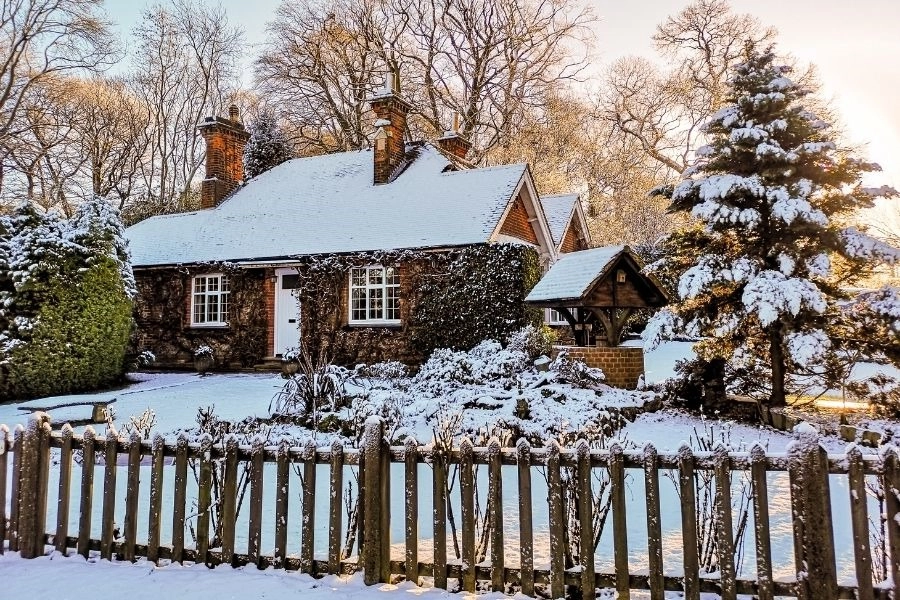
A Colorado winter protects a home through three systems: pipes, roof, and driveway. Get those three right before the first hard freeze and most of the season's costly repairs never happen.
Pipes running through exterior walls or an unheated crawl space are the ones that freeze first. Keep the thermostat set no lower than 55 degrees even when you're away, open cabinet doors under sinks on exterior walls so warm air reaches the pipe, and let a faucet run a slight, steady drip during a hard freeze so the water keeps moving instead of sitting still.
Never turn the heat off completely during a winter trip. A setting around 55 to 60 degrees keeps interior wall cavities above freezing without running up the bill, and it's the setting most Front Range home insurance policies expect to see if you ever file a frozen-pipe claim.
Most Front Range residential roofs are engineered for a specific snow load in pounds per square foot, and a single heavy, wet spring storm can approach that limit faster than a season's worth of light, dry snow. Watch for sagging in the roofline, cracking sounds, or doors that suddenly stick, and clear snow from over entryways and garage doors first since that's where people walk underneath.
An ice dam forms when heat escaping through the attic melts snow on the upper roof, that water runs down to the cold eave, and refreezes into a ridge that backs water up under the shingles. Attic insulation and ventilation that keep the whole roof surface at a consistent, cold temperature prevent the dam from forming in the first place; heat cables along the eave treat the symptom after it's already a problem. The full removal process is covered in How to Remove Ice Dams from Your Roof.
Check your covenants: some Front Range HOAs plow private drives and shared walks as part of the monthly fee, while others leave every driveway and front walk entirely to the homeowner. Denver-area 55-plus communities in particular vary widely on this point, and it's worth confirming before the first storm, not during it. See the full breakdown in Denver 55+ HOA Snow Removal: What's Covered by Community Type.
Stay back and treat every downed line as live, whether it's sparking or silent. Call Xcel Energy's outage and emergency line to report the exact location, and if a line has fallen onto or near the house, leave the area and call 911. Never touch a downed line or anything it's resting on, including a fence or a parked car.
Colorado road crews spread magnesium chloride to keep roads clear through freeze-thaw cycles, and it tracks onto driveways, garage floors, and vehicle undercarriages, where it accelerates rust and can stain concrete. Rinse the undercarriage periodically through a winter with heavy application, and seal a concrete driveway before the season starts if it's due.
Yes, before the first hard freeze. A sprinkler line still holding water when it freezes can crack a pipe or a backflow preventer, which shows up as a expensive spring repair instead of a routine fall service call.
Clogged gutters hold snowmelt against the roof edge instead of routing it away, which speeds up ice dam formation. Clear leaves and debris out of gutters every fall, and confirm downspouts extend several feet from the foundation so the melt doesn't pool against expansive clay soil next to the house.
Most Front Range homeowners policies cover sudden water damage from an ice dam, but not the cost of the underlying attic insulation or ventilation fix that prevents the next one. Document the damage with photos and call your carrier promptly; a delayed claim is harder to substantiate.
Metal roofing sheds snow faster than asphalt shingles and carries a strong wind and hail rating, which is why it shows up regularly on new Front Range builds; it does need snow guards over entryways so accumulated snow doesn't release all at once. Impact-rated Class 4 asphalt shingles remain the more common and lower-cost choice, and both hold up to a typical Front Range winter when installed correctly.
Water that seeps into a small crack in concrete or asphalt expands when it freezes overnight and contracts the next warm afternoon, widening the crack with every cycle. Seal small cracks in the fall before winter's repeated freeze-thaw turns them into a full driveway repair.
Use a roof rake from the ground on single-story sections whenever you can reach them, working from the edge inward rather than digging straight down to the shingles. Skip anything that requires climbing onto a snow-covered, icy roof; a professional with the right equipment and harness is worth the cost on steep or multi-story roofs.
Disconnect garden hoses, drain the line, and shut off the interior valve to each exterior faucet before the first freeze if your home doesn't have frost-free spigots. An insulated faucet cover adds another layer of protection on a hard-freeze night.
Front Range hail season runs from spring through September, overlapping with the tail end of summer storm season before winter weather takes over. That means a homeowner ends up assessing hail damage on a roof in the same year they're also preparing that same roof for snow load, which is one more reason to schedule a roof inspection each fall.
Set the thermostat to a protective minimum instead of off, shut off and drain exterior faucets, ask a neighbor to check the house periodically, and confirm your gutters are clear before you leave. A short pre-trip walk-around catches most of the issues that turn into a costly return-home surprise.
Visible interior water stains from a past ice dam are a common flag on a Front Range inspection report and can slow a sale or trigger a buyer's repair request. Fix the underlying attic insulation and ventilation issue, not just the ceiling stain, before you list.
The Kenna Real Estate Group works with Front Range owners on the maintenance history that protects a home's value through every Colorado winter. Call or text 303-955-4220. A live person answers. Not a robot, not a phone tree. Or start now and search every home for sale in Colorado.
Questions about any home in Colorado? Call or text 303-955-4220. A live person answers.
Keep the heat at 55 to 60 degrees even when you're away. Below that, pipes in exterior walls or unheated spaces are at real risk.
Attic heat melts snow on the upper roof, the water runs to the cold eave, and refreezes into a ridge that backs up under the shingles. Insulation and ventilation prevent it; heat cables only treat it after it forms.
It depends on the community. Some HOAs plow private drives and walks as part of the fee; others leave it entirely to the homeowner. Check your covenants before the first storm.
Stay back, treat it as live, and call Xcel Energy's outage line. If it's on or near your house, leave and call 911.
Most Front Range policies cover the resulting water damage but not the attic insulation or ventilation fix that prevents the next one.
Yes, before the first hard freeze. Water left in the lines can crack a pipe or backflow preventer.
Metal sheds snow fastest and carries a strong hail rating; Class 4 impact-rated asphalt shingles are the common, lower-cost alternative.
It can stain concrete and accelerate rust on vehicle undercarriages. Rinse the undercarriage periodically and seal a concrete driveway before winter if it's due.


