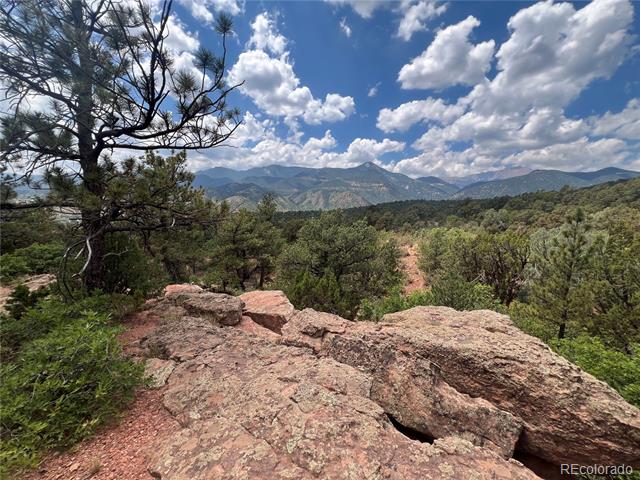
New - 7 Hours Ago

$4,430,000
Active
--
Beds
--
Baths
--
Sqft
217.74
Acres
Walker Rd, Colorado Springs, CO 80908
MLS#: 8548086
.jpg)



A Front Range single-family home runs $250 to $450 a month in utilities: $100 to $250 to Xcel Energy for gas and electric depending on the season, $40 to $150 for water and sewer depending on the lawn, and $10 to $30 for trash and recycling. Before you buy, ask the seller for 12 months of bills through your agent; before you sell, put the 12-month average in the listing so buyers stop guessing high.
This guide names the providers from Fort Collins to Colorado Springs, gives the monthly ranges, explains why altitude changes the heating math, and covers solar leases and xeriscape, the two items that surprise buyers at the closing table. Buyers start with how the Kenna Real Estate Group helps buyers; sellers start with how the group helps sellers.
Colorado has one dominant investor-owned utility, a set of municipal utilities, and rural electric cooperatives at the metro edges. The provider is fixed by the address; you do not get to shop it.
| Service | Denver metro | Northern Colorado | Colorado Springs and south |
|---|---|---|---|
| Electric | Xcel Energy in Denver, Aurora, Lakewood, Littleton, Arvada, Westminster, Boulder; CORE Electric Cooperative in Parker, Castle Rock, and Elizabeth; United Power in Brighton and the north metro | Fort Collins Utilities, Loveland Water and Power, Longmont Power and Communications, Xcel Energy in Greeley, Poudre Valley REA in the county | Colorado Springs Utilities; Black Hills Energy in Pueblo |
| Natural gas | Xcel Energy across most of the metro; Black Hills Energy in parts of Douglas County | Xcel Energy in Fort Collins and Loveland; Atmos Energy in Greeley and Windsor | Colorado Springs Utilities; Black Hills Energy in Pueblo |
| Water and sewer | Denver Water in Denver and through distributor districts in Lakewood and Littleton; Aurora Water; Centennial Water and Sanitation in Highlands Ranch; Castle Rock Water; Parker Water and Sanitation; Thornton, Westminster, Arvada, and Broomfield run their own | Fort Collins Utilities; Loveland Water and Power; City of Greeley Water | Colorado Springs Utilities; Pueblo Water |
| Trash | City of Denver bills by cart size; most suburbs contract a hauler or leave it to the homeowner | Fort Collins and Loveland use licensed private haulers | Private haulers |
The Denver utility providers and costs guide goes provider by provider for the city, and the Highlands Ranch HRCA and water guide covers Centennial Water's rates and the HRCA fee that sits next to them.
Size beats age. A 1,100 sq ft Denver brick bungalow with a 1990s furnace and no air conditioning costs less to run than a 3,200 sq ft two-story in Parker with a finished basement, two furnaces, and two condensers, even though the Parker home has 2x6 walls and low-E windows. Compare utilities per home, never per square foot, and ask for the actual bills.
Natural gas is the cheaper fuel per unit of heat on the Front Range, and it heats most homes from Fort Collins to Pueblo. Two altitude facts change the math for buyers looking at all-electric homes:
Ask through your agent in the first days under contract, before the inspection objection deadline, so a bad number can still become a repair request or a price conversation. Three sources, in order:
The Colorado Seller's Property Disclosure, a Real Estate Commission form the seller completes, asks about the water source, the sewer type, the heating and cooling systems, and any solar or other energy systems; it does not list bills. Read it next to the actual statements.
Front Range roofs are a solar salesman's dream: 300 days of sun and Xcel Energy net metering that credits the electricity you export. The panels themselves come three ways, and the way decides what happens at closing.
Ask the county assessor whether the array is on the assessed value and confirm any property tax treatment with a Colorado CPA. The green and energy-efficient homes in Denver post covers what Denver buyers pay extra for and what they do not.
Outdoor watering is half of a Front Range home's annual water use and nearly all of the summer bill. Replacing a bluegrass lawn with drip-irrigated native plants, buffalo grass, or gravel and boulders cuts the June-to-September bill by half or more. Colorado law bars HOAs from banning xeriscape, and Denver Water, Aurora Water, and Castle Rock Water pay turf-replacement rebates per square foot removed; the amounts change each season, so check the provider's site before you dig. The Front Range xeriscaping guide covers plant choices, and how to save water in Denver homes covers the indoor side.
The preparing and adding value before selling page ranks these fixes against the rest of the pre-listing list, and the energy efficiency as a decision factor in Colorado post explains why buyers now ask for the numbers.
Utilities are not in the debt-to-income ratio a lender uses, so the loan approval does not protect you from a $400 winter bill. Build them into the monthly budget you set with the lender before choosing a price ceiling. Mike Oswald, VP of Mortgage Lending at Rate, NMLS 261003, Equal Housing Lender, works through the full monthly cost with Kenna Real Estate Group buyers. You are free to use any lender. The Colorado home financing guide covers the loan side, and the first-time home buyer guide for Colorado covers the budget.
The Kenna Real Estate Group at Keller Williams DTC requests 12 months of utility bills on every purchase before the inspection objection deadline, checks solar paperwork against the title work, and helps sellers put a real 12-month average in the listing. Call or text 303-955-4220. A live person answers. Not a robot, not a phone tree. To compare homes and their running costs, search every home for sale in Colorado.
Questions about any home in Colorado? Call or text 303-955-4220. A live person answers.
$100 to $150 a month for gas and electric combined on a 2,000 sq ft home across the year, with January at $180 to $260 and April at $80 to $110. Air conditioning adds $40 to $80 in July and August.
Yes for Xcel Energy: call with the service address and ask for the 12-month average. For month-by-month detail and for water, the seller pulls it from the online account.
Yes for outdoor use. Aurora Water prices its upper tiers higher than Denver Water, so a large lawn in Aurora costs more each summer than the same lawn in Denver.
To buy the home, yes, unless the seller buys out the lease first. You apply with the solar company, qualify on credit, and assume the remaining term and payments.
A cold-climate heat pump heats below 0 degrees Fahrenheit and costs close to gas to run, less with solar. Keep a gas furnace as backup on the coldest nights if the home already has one.
No. It reports the water source, sewer type, heating and cooling systems, and any solar system. Ask for the actual bills separately.
No. Colorado law bars HOAs from banning xeriscape. The HOA can require a plan review and set design standards, and it cannot require turf.