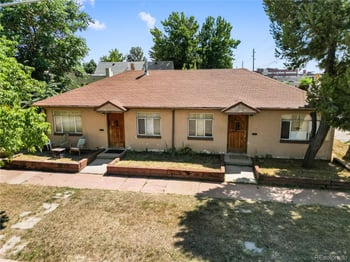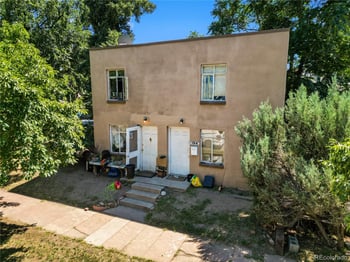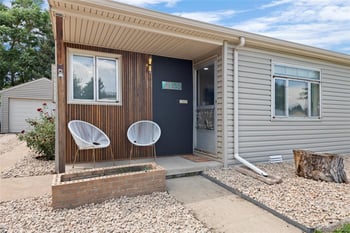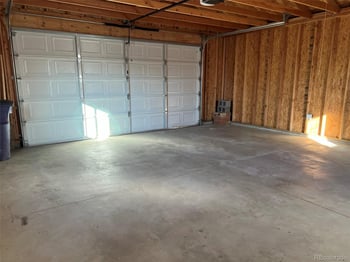
$795,000
Active
--
Beds
--
Baths
--
Sqft
0.45
Acres
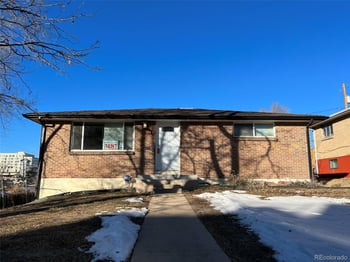
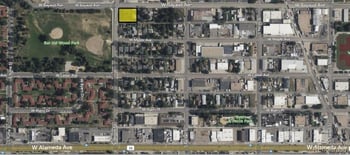
1966-1996 W Bayaud Ave, Denver, CO 80223
MLS#: REC5145386
.jpg)


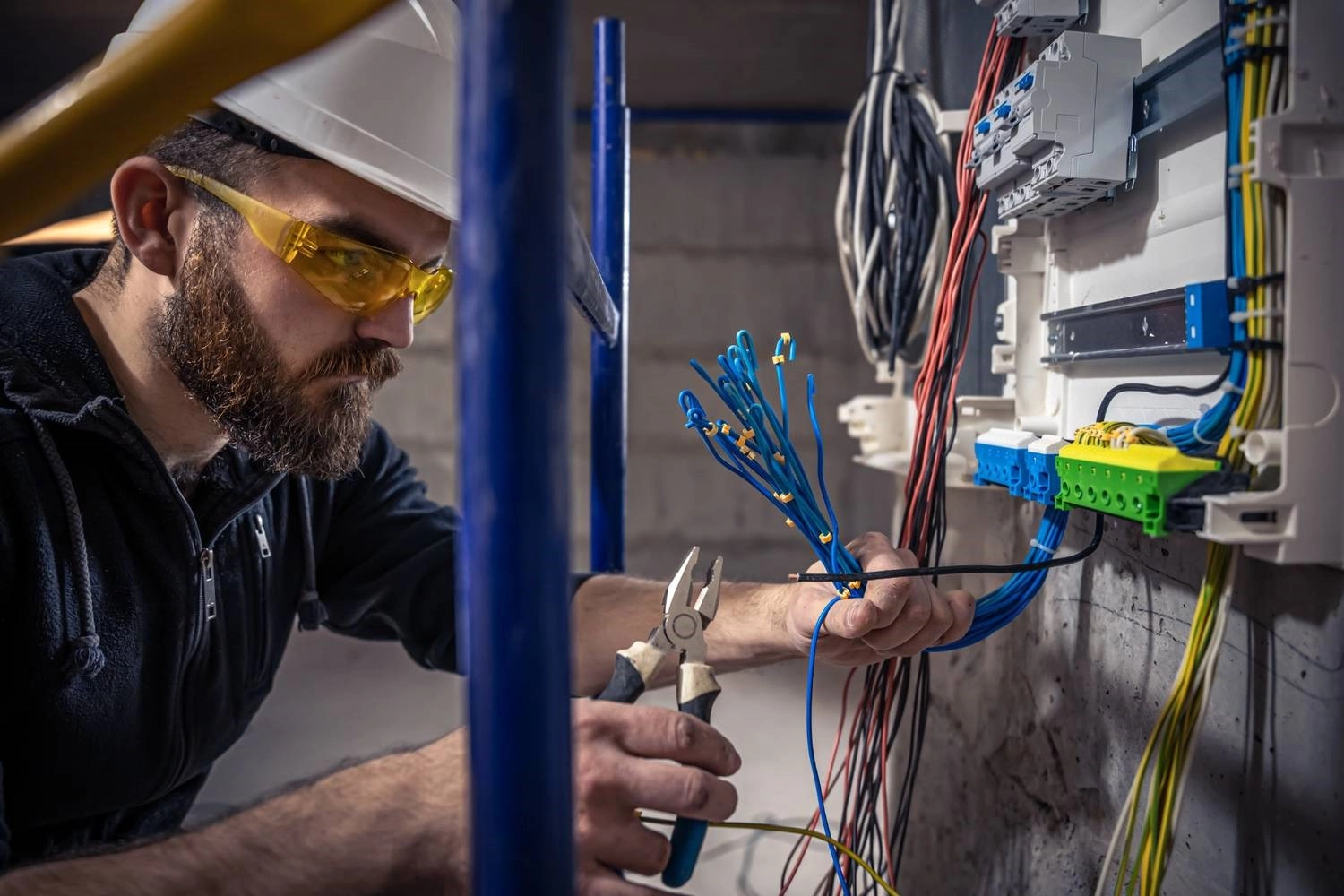
An electrical system built to current code, with a modern panel, grounded wiring, and GFCI and AFCI protection where required, keeps a Colorado home insurable and keeps a sale moving through the inspection objection period without a last-minute repair request. The systems worth checking first in an older Front Range home are the panel brand, the wiring type, and whether the outlets near water and in bedrooms have the protection current code requires.
A home built before 1970 on the Front Range commonly has a 60 or 100-amp panel sized for a household that ran far fewer appliances than a home today, before central air, an EV charger, and a home office full of electronics. A panel that undersized trips breakers under normal use and struggles to add circuits for new equipment without a full upgrade.
Federal Pacific Electric and Zinsco panels, both common in homes built from the 1950s through the 1970s, have documented breaker failures where the breaker does not trip during an overload. Many Colorado homeowners insurers decline to write or renew a policy on a home with one of these panels still in place, and a title company or lender sometimes requires proof of replacement before closing. Replacing one of these panels runs $2,000 to $4,000 depending on the home's size and service capacity.
Aluminum branch wiring, installed in some homes built between 1965 and 1973 during a copper price spike, expands and contracts at outlets and switches in a way that loosens connections over time and creates a heat point at the connection. Knob-and-tube wiring, found in some pre-1950 Denver homes, has no ground wire and was not built for modern electrical loads. Both get flagged during a home inspection and both have established repair methods, from pigtailing connections with an approved connector to a full rewire.
Ask for the printable electrical red-flags checklist in the form below and the Kenna Real Estate Group emails it the same day.
A Level 2 EV charger install runs $800 to $2,200 depending on panel capacity and the distance from the panel to the garage; a home with an undersized panel needs the upgrade above before adding a charger circuit. Xcel Energy runs a rebate program for qualifying home EV charger installations, and the amount changes by program year.
Colorado municipalities adopt a version of the National Electrical Code that requires ground-fault circuit interrupter protection in a kitchen, bathroom, garage, and any outlet within 6 feet of a sink, plus arc-fault protection in most living spaces. A kitchen or bathroom remodel that touches the electrical system in an older home triggers that requirement in most cases, bringing the affected circuits up to current code even where the rest of the house is grandfathered.
Denver, Aurora, and Colorado Springs each require a permit for a panel upgrade, a new circuit, or an EV charger install; a licensed electrician pulls the permit and schedules the inspection as part of the job. Unpermitted panel work becomes a disclosure item at resale and a common reason a buyer's insurer asks for more information before binding coverage. A homeowner who inherits unpermitted electrical work from a previous owner has it inspected and, where needed, permitted retroactively rather than passing the same question on to the next buyer.
Colorado's carbon monoxide alarm law, C.R.S. 38-45-101, requires a working carbon monoxide alarm within 15 feet of every bedroom in a home with an attached garage or a fuel-burning appliance before a sale closes. Local fire code requirements call for a smoke alarm in every bedroom, outside each sleeping area, and on every level in most Front Range jurisdictions. Both are inexpensive to add and are checked during a pre-listing walk-through.
An insurer that will write a policy on a home with an older panel commonly charges a higher premium than it would on a home with a modern panel, and some insurers decline outright on a Federal Pacific or Zinsco panel. A buyer confirms insurability for the specific panel and wiring type before the inspection objection deadline, since a declined policy can delay or end a closing.
A documented panel upgrade, done by a licensed electrician, removes an insurance obstacle for the next buyer and a negotiating point during inspection, and a Colorado homeowner is free to use any licensed electrician for the work. The Preparing and Adding Value Before Selling guide ranks electrical work among the repairs that most frequently come up during a Front Range sale.
The Kenna Real Estate Group helps buyers understand what an older panel or wiring type means for insurance before they write an offer, and helps sellers document electrical upgrades before listing. Call or text 303-955-4220. A live person answers. Not a robot, not a phone tree. Search every home for sale in Colorado to see what's on the market right now.
Questions about any home in Colorado? Call or text 303-955-4220. A live person answers.
The panel's cover and breakers show the manufacturer's name; a licensed electrician confirms the brand and model during an inspection if the label is unclear.
Yes, Denver, Aurora, and Colorado Springs all require a permit and inspection for a panel upgrade.
Not always; pigtailing each connection with an approved connector is an accepted repair method that costs far less than a full rewire.
$800 to $2,200 depending on panel capacity and the distance from the panel to the garage, plus a possible panel upgrade if capacity is short.
Xcel Energy runs a rebate program for qualifying home charger installations; the amount changes by program year and is confirmed directly with Xcel Energy.
GFCI protection guards against a ground fault near water, required in kitchens, bathrooms, and garages; AFCI protection guards against an arc fault that can start inside a wall, required in most living spaces under the current adopted code.
Yes, C.R.S. 38-45-101 requires a working carbon monoxide alarm within 15 feet of every bedroom in a home with an attached garage or a fuel-burning appliance.
Yes, some insurers decline to write a policy on a home with a Federal Pacific or Zinsco panel still installed, which a buyer confirms before the inspection objection deadline.