New - 1 Hour Ago

.jpg)


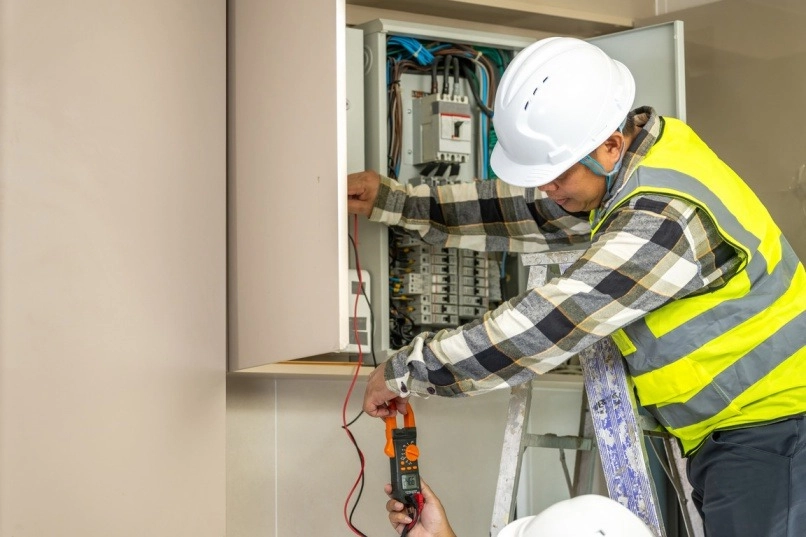
An electrical inspection on a Colorado home checks the service panel, the wiring type, the amperage, grounding, GFCI and AFCI protection, and every add-on from a hot tub to a solar array. On the Front Range, the inspection has one extra job: it decides what you write on the inspection objection before the deadline in the Colorado contract runs out. This guide covers what gets checked, what the findings cost to fix in the Denver metro, and how to use the results to negotiate.
A general home inspector opens the panel cover, tests a sample of outlets, checks the grounding, and looks for visible wiring problems in the attic, basement and crawl space. A licensed electrician goes further: torque on breaker connections, load calculation, wire gauge against breaker size, and a look inside junction boxes.
Colorado does not license home inspectors. Electricians are licensed by the Colorado State Electrical Board inside the Department of Regulatory Agencies (DORA). When the general inspection flags the panel or the wiring, hire a licensed electrician for the second look. A written electrical evaluation in the Denver metro runs $150 to $350, and a full home inspection runs $400 to $700 on a 2,000 square foot house.
Two brands drive most of the electrical objections on Front Range homes built between 1960 and 1985. Both are still in service in Lakewood, Arvada, Aurora, Littleton, Northglenn, Westminster and the older parts of Denver.
Treat an FPE or Zinsco panel as a line item, not a deal breaker. Get an electrician's bid during the inspection period and ask for the replacement or a credit equal to the bid. A panel replacement takes one day, needs a permit and an Xcel Energy meter pull, and lifts the home's insurability.
Single-strand aluminum branch wiring went into homes built from 1965 to 1973, which covers thousands of houses in southeast Denver, Aurora, Lakewood and the first Littleton subdivisions. Aluminum expands and contracts more than copper, loosens at terminals, and oxidizes. The result is hot connections at outlets and switches, which is where electrical fires in these homes start.
The inspector identifies it by the "AL" or "ALUMINUM" stamp on the cable jacket in the panel. The accepted repairs are COPALUM crimps or AlumiConn connectors at every device, which run $3,000 to $8,000 on a 1,500 to 2,000 square foot home. A full rewire is $15,000 to $30,000 and rarely required. Insurers in Colorado accept a home with aluminum wiring once every connection is remediated and documented by a licensed electrician.
A 100-amp service runs a gas-heated home with a gas water heater and one air conditioner. It runs out when you add an EV charger, a heat pump, an induction range, a hot tub, or a finished basement with its own HVAC. Most homes built before 1990 on the Front Range have 100-amp or 125-amp service.
| Item | Denver metro cost | What it involves |
|---|---|---|
| Panel replacement, same amperage | $2,000 to $4,000 | Permit, new panel, Xcel meter pull |
| Upgrade to 200-amp service | $3,500 to $7,000 | New panel, meter base, service entrance cable, Xcel coordination |
| Aluminum wiring remediation | $3,000 to $8,000 | AlumiConn or COPALUM at every device |
| Level 2 EV charger circuit | $800 to $2,500 | 40 to 60 amp circuit, permit |
| Add GFCI and AFCI protection | $300 to $1,200 | Breakers or receptacles at required locations |
| Full rewire, 2,000 sq ft | $15,000 to $30,000 | Only for knob-and-tube or damaged wiring |
Xcel Energy owns the meter and the service drop on most of the Front Range. A service upgrade requires a permit from the city or county, an inspection, and a scheduled Xcel disconnect and reconnect, which adds one to three weeks to the timeline. Colorado Springs Utilities, Fort Collins Utilities, Longmont Power and Loveland Water and Power run their own systems with the same steps.
Rooftop solar shows up on a rising share of listings in Boulder, Denver, Arapahoe, Jefferson and Douglas counties. The inspection question is not "does it work" but "who owns it and was it permitted."
Battery storage, generator transfer switches and hot tub disconnects follow the same rule: permit on file, or a line item on the objection.
Yes. Homes built before 1940 in Capitol Hill, Baker, Berkeley, Sunnyside, Five Points, Platt Park and the older blocks of Golden and Littleton still carry live knob-and-tube in walls and attics. It has no ground, the insulation is brittle, and it fails when buried under blown-in attic insulation. Most Colorado insurers refuse to write a standard policy on a home with active knob-and-tube. Plan on partial rewiring of the active circuits at $8,000 to $20,000 and confirm the insurer will bind coverage before the deadline. Read the Capitol Hill area guide and the Berkeley area guide for what those blocks look like today.
The Colorado Contract to Buy and Sell Real Estate, the form every licensed agent uses, gives you three dated deadlines for inspection. Miss one and you lose the right attached to it.
Ask for one of three things: the seller completes the repair with a licensed electrician and a passed permit inspection before closing; a seller credit at closing equal to the bid; or a price reduction. A credit beats a seller repair on panel and wiring work, because you choose the electrician and see the permit close. Lenders cap seller credits, so the making an offer on a Colorado home guide explains how to structure it, and the escrow guide covers what happens after the seller signs.
Colorado requires a licensed electrical contractor and a permit for panel work, new circuits, service upgrades and solar interconnection. Denver issues permits through Community Planning and Development. Aurora, Lakewood, Arvada, Littleton, Centennial, Castle Rock and Parker issue their own. Unincorporated areas of Adams, Arapahoe, Douglas, Jefferson and Weld counties use the State Electrical Board permit through DORA. Colorado enforces the 2023 National Electrical Code statewide, and local jurisdictions adopt it with amendments.
Homeowners are allowed to pull a homeowner permit for work on their own primary residence. The inspection still has to pass. A home with a finished basement and no electrical permit on record is the most common unpermitted item on Front Range inspection reports. Pull the permit history from the city before the objection deadline; Denver, Aurora and Lakewood publish permits online. Licensed electrical services firms give a written scope, a permit number and a passed inspection card, and that paper trail is what your insurer and your next buyer will ask for.
Hail losses pushed Colorado home insurance premiums up every year from 2019 to 2025. Adding an electrical surcharge on top changes the monthly payment. Bind the policy before the inspection termination deadline, not the week of closing. The Denver metro home insurance checks for buyers post explains the sequence.
Radon, sewer scope and roof are the other three Front Range inspections that run alongside the electrical evaluation; the Denver home buyer verification checklist puts every one of them in order with the deadline each one has to beat. The top inspection red flags that kill Denver home sales post ranks the panel and wiring issues against everything else an inspector finds.
The Kenna Real Estate Group at Keller Williams DTC writes the inspection objection for you, gets the electrician's bid in the same week, and negotiates the credit before the resolution deadline on every Front Range purchase. Call or text 303-955-4220. A live person answers. Not a robot, not a phone tree. Start with the panel brand and the build year in mind when you search every home for sale in Colorado.
Questions about any home in Colorado? Call or text 303-955-4220. A live person answers.
No. It is a $2,500 to $5,000 line item. Get a licensed electrician's bid during the inspection period and ask for a credit or the replacement with a passed permit before closing.
A licensed electrician's written evaluation runs $150 to $350 in the Denver metro. A general home inspection that includes the panel and outlet checks runs $400 to $700.
Homes built from 1965 to 1973. Remediation with AlumiConn or COPALUM connectors at every device costs $3,000 to $8,000 on a 2,000 square foot home.
Sometimes, after a load calculation. A gas-heated home with one air conditioner has room for a 40-amp charger circuit. Add a heat pump or hot tub and you need 200-amp service at $3,500 to $7,000.
You lose the right to ask for repairs or credits over inspection items. The termination deadline is separate, so check both dates on the contract the day it is signed.
No. The city, county or State Electrical Board inspects the permit. Xcel pulls and resets the meter for panel and service upgrades once the permit inspection passes.
Yes. Denver, Aurora and Lakewood publish permits online. A finished basement, EV charger or solar array with no permit goes on the inspection objection.


