New - 7 Hours Ago

.jpg)


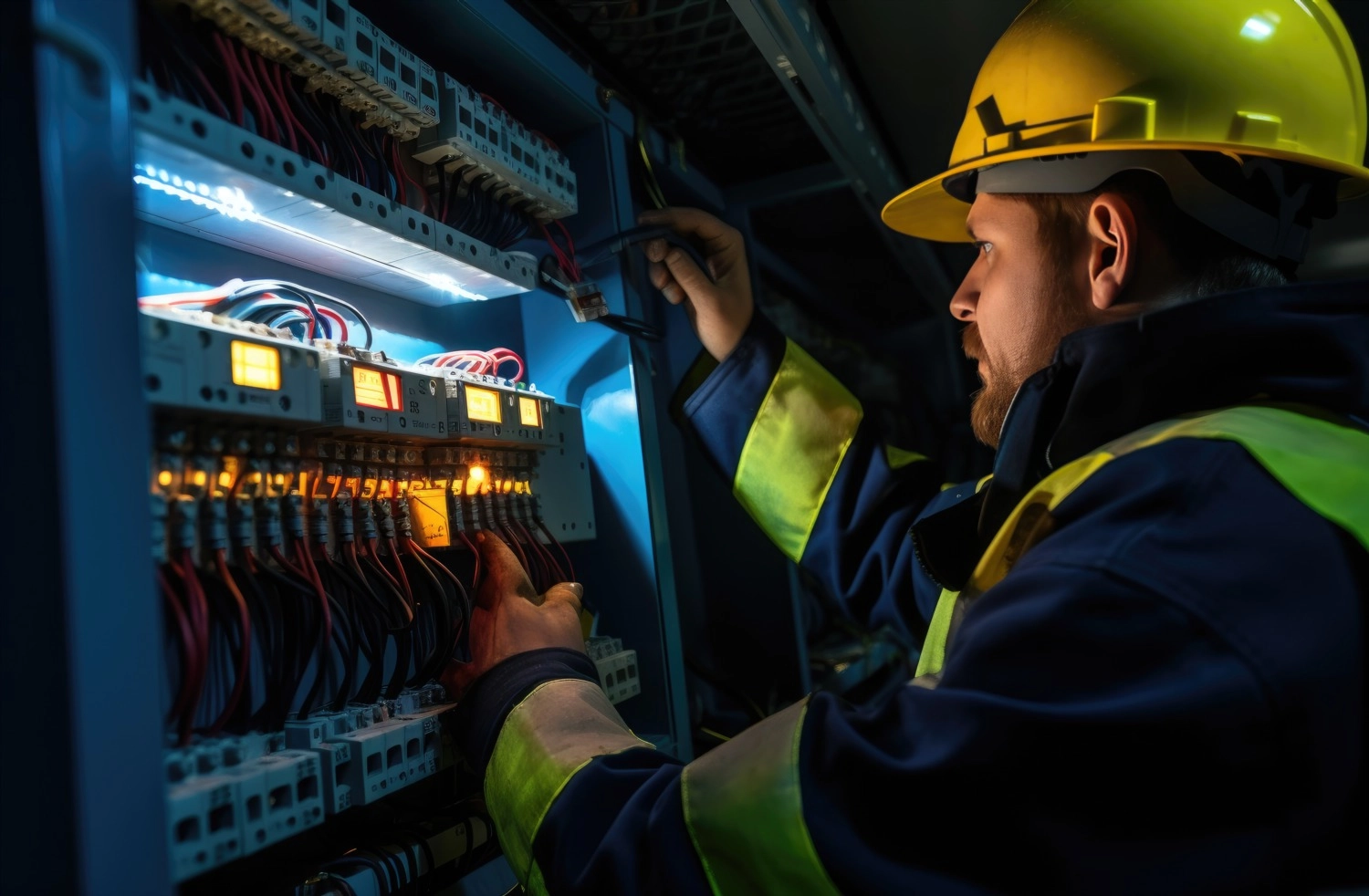
A Colorado home needs an electrical panel upgrade when it is still running the 60- or 100-amp service common in homes built before the 1980s, or when a new load — central air, an EV charger, a heat pump, or a finished basement — pushes total demand past what the panel can without damage carry. In the Denver metro, a full panel upgrade to 200 amps, installed and permitted, runs $2,000 to $4,500. Skipping it when it is needed is one of the more common reasons a Colorado home sale slows down at the lender's underwriting stage rather than at the inspection itself.
Three situations come up most commonly along the Front Range: a 60-amp panel in a home built before 1970 that cannot support modern appliance loads, a 100-amp panel that is full of double-tapped breakers because there is no room to add new circuits, and any home adding an EV charger, heat pump, or hot tub without the spare capacity to run it. A licensed electrician determines actual need with a load calculation, not by amperage rating alone.
A load calculation adds up every circuit's demand — HVAC, water heater, kitchen appliances, and any planned additions — against what the panel and service line can deliver. Colorado's altitude affects this indirectly: a heat pump or electric furnace sized for Front Range winters and summer AC load commonly draws more than the gas-and-window-unit setup it replaces, so a panel that was adequate for the home's original systems is not automatically adequate after an electrification upgrade. Get the load calculation done before buying equipment, not after.
A full 200-amp panel replacement, installed and permitted, runs $2,000 to $4,500 in the Denver metro depending on whether the service line from the utility also needs upgrading. A subpanel addition, for a garage, ADU, or finished basement, runs $800 to $2,000 depending on distance from the main panel and amperage.
Denver and every surrounding Front Range city require a permit for panel work, with a rough-in inspection and a final inspection before the utility reconnects service. Expect a brief power outage, commonly a few hours, during the swap. Our guide to licensed electricians and permits in Colorado covers permit costs and what a missing permit does to a later sale.
Homes built through the 1960s and 1970s were wired for the appliance load of that era — no central AC, no electric range in many cases, and none of the electronics load a modern household carries. The panel was correctly sized for its time and has simply never been updated as the home's electrical demand grew. This is normal, not a defect, but it is one of the most common findings on a resale inspection in Denver's older bungalow and ranch neighborhoods.
It does not add dollar-for-dollar value the way a kitchen remodel does, but it removes a friction point that can otherwise stall a closing: an outdated panel, especially a flagged brand, can trigger a lender requirement or an insurance decline that surfaces during underwriting rather than during the inspection. Handling it before listing keeps that risk off the closing timeline entirely. See our guide to preparing and adding value before selling for how this fits into a pre-listing punch list.
Xcel Energy's electrification rebate programs, which change from year to year, sometimes cover part of the cost when a panel upgrade is tied directly to installing a heat pump or EV charger. Check Xcel's current rebate list before starting the project, since the rebate is in most cases claimed as part of the qualifying equipment installation rather than for the panel swap on its own.
Start with the panel brand and age. Federal Pacific and Zinsco panels, common in Denver metro homes from the 1960s and 1970s, are widely flagged by inspectors and declined or conditioned by some insurers, so plan to replace one of these before listing rather than waiting for a buyer's inspection to raise it. A panel under 100 amps with no room for additional breakers is the next tier — not always a required fix, but a common negotiating point once a buyer's inspector counts the open slots. A panel rated 150 amps or higher, from a still-supported brand, with room to add circuits, rarely needs replacement before a sale.
| Panel condition | Typical action before listing |
|---|---|
| Federal Pacific or Zinsco brand | Replace before listing; frequent inspection and insurance flag |
| 60-amp service, no capacity for modern loads | Replace before listing in most cases |
| 100-amp panel, full of breakers | Evaluate with a load calculation; upgrade if adding EV or heat pump |
| 150-amp or 200-amp panel, supported brand | No action commonly needed |
Your electrician specifies the panel and breakers, but where those parts come from affects lead time and warranty support on a project that already has a permit inspection on the clock. For Schneider Electric gear specifically — breakers, smart panels, and energy management components that most Front Range electricians recognize on sight — a Schneider Electric distributor that stocks the full product line avoids the delay of a special order mid-project, which matters when your final inspection is already scheduled.
Weighing whether to upgrade a Front Range home's electrical panel before you list, or buying a home that needs one? Call or text 303-955-4220. A live person answers. Not a robot, not a phone tree. Ready to look at options? Search every home for sale in Colorado.
Questions about any home in Colorado? Call or text 303-955-4220. A live person answers.
$2,000 to $4,500 installed and permitted, higher if the utility service line also needs an upgrade.
In most cases, yes, if the existing panel is already near capacity. A licensed electrician confirms it with a load calculation before you buy the charger.
No, it is normal for the home's original era, but it is a common inspection and lender flag on resale, especially if it is also a discontinued or recalled brand.
Sometimes, when the upgrade is tied to a qualifying heat pump or EV charger installation under Xcel's current electrification rebate programs. Check Xcel's rebate list before starting the project.
The physical swap in most cases takes a single day, with a brief service outage. The permit and inspection process around it commonly adds one to two weeks.
A city electrical permit with a rough-in and a final inspection, plus utility coordination to disconnect and reconnect service during the swap.


