Open: Sun 10:00 AM - 2:00 PM
$785,000
Active
6
Beds
4
Baths
3540
Sqft
0.1831
Acres
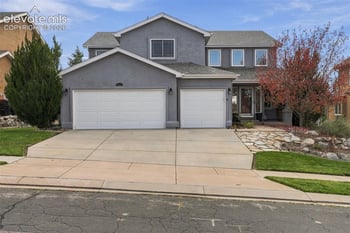
275 Cliff Falls Ct, Colorado Springs, CO 80919
MLS#: 7625670
.jpg)



Colorado law requires a licensed electrician for nearly all wiring work beyond swapping a light fixture or an outlet cover — new circuits, panel work, and anything tied to a permit. A homeowner can pull an owner-occupant electrical permit and do limited work on their own primary residence in most Front Range cities, but the work still has to pass the same inspection a licensed electrician's work does. For anything involving the main panel, a new circuit, or gas- or water-adjacent wiring, hire licensed.
This matters more at sale time than most homeowners expect. Unpermitted or DIY electrical work is one of the most common items a Colorado home inspector flags, and one of the harder ones to fix quickly once a buyer's inspection objection deadline is already running.
For anything beyond a fixture, switch, or receptacle swap on an existing circuit, yes. New circuits, subpanel or main panel work, and any wiring tied into a permit require a licensed electrician or an owner doing permitted work on their own home. Colorado licenses electricians through the state's Division of Regulatory Agencies (DORA) and its State Electrical Board, which sets the exam and training requirements for the trade.
A journeyman electrician has completed an apprenticeship and passed a state exam and performs electrical work under their own license, within limits set by their employer or jurisdiction. A master electrician has more years of documented experience and a separate exam, and can pull permits, design systems, and supervise other electricians. For a homeowner, the practical difference is who is allowed to pull the permit and sign off on the final inspection — ask which license level is doing your job before work starts.
Ask for the license number and verify it through Colorado DORA's license lookup before work begins, especially for panel or circuit work tied to a permit. A licensed electrician gives the number without hesitation; reluctance to share it is a reason to call a different contractor.
Denver issues electrical permits through its Community Planning and Development office; Aurora, Lakewood, Littleton, Colorado Springs, and the other Front Range cities each run their own permit desk with similar categories. A permit requires a rough-in inspection and a final inspection before the work is signed off.
A basic electrical permit in the Denver metro runs $50 to $150 depending on the scope of work; a panel upgrade permit runs $100 to $250, since it triggers a more detailed inspection. Hiring a licensed electrician for a standard service call runs $100 to $250 per hour including the first hour, and a full panel replacement, installed and permitted, runs $2,000 to $4,500 depending on amperage and panel brand.
It shows up two ways. A home inspector flags visible signs of amateur wiring — wire nuts without a junction box, mismatched breaker sizes, or a panel that does not match the permit history for the address. And if the county's permit records show no electrical permit for a panel that was clearly replaced, a buyer's lender or title company can ask for retroactive permitting before closing, which adds weeks a closing timeline does not have. Fixing it before you list, with a licensed electrician and a proper permit, is faster and cheaper than fixing it during the inspection objection window. See our guide to preparing and adding value before selling for what to prioritize.
The most common flags: an outdated Federal Pacific or Zinsco panel (brands widely flagged by inspectors and some insurers for breaker failure risk), knob-and-tube or aluminum wiring in homes from before 1970, missing ground-fault protection in kitchens and bathrooms, and double-tapped breakers. None of these stop a sale automatically, but a buyer's lender can require the panel replaced before funding, particularly with an FHA or VA loan.
Yes, in many cases. Some Colorado homeowners insurance carriers decline to write a new policy on a home with a Federal Pacific or Zinsco panel still in place, or require it replaced within a set window after binding coverage. Confirming panel brand and age before listing avoids a buyer discovering an insurance problem mid-transaction.
Denver's permit records are searchable through the city's Development Services permit portal by address. Most other Front Range cities offer a similar public permit lookup through their own building department. Pulling this before you list — or before you make an offer — shows whether a panel or circuit change was ever inspected and signed off.
Buying or selling a Front Range home with older wiring and want to know what a lender or inspector will flag? Call or text 303-955-4220. A live person answers. Not a robot, not a phone tree. Ready to look at options? Search every home for sale in Colorado.
Questions about any home in Colorado? Call or text 303-955-4220. A live person answers.
A homeowner can pull an owner-occupant permit for limited work on their own primary residence in most Front Range cities, but the work still has to pass the same inspection as licensed work. Panel and new-circuit work is best left to a licensed electrician.
Ask for the license number and check it through Colorado DORA's public license lookup before work starts, especially for permitted panel or circuit work.
A basic permit runs $50 to $150. A panel upgrade permit runs $100 to $250 because it triggers a more detailed inspection.
Yes. Inspectors commonly flag these brands, and some Colorado insurers decline or condition coverage until the panel is replaced, which can slow or stall a closing.
A missing permit for visible panel or circuit changes can trigger a lender or title request for retroactive permitting, which adds weeks to a closing timeline.
$100 to $250 per hour including the first hour is typical across the Denver metro, with a full panel replacement running $2,000 to $4,500 installed and permitted.
A journeyman works under their own license, commonly within limits set by an employer. A master electrician has more documented experience, can pull permits, and can supervise other electricians.