New - 1 Hour Ago

$310,000
Active
2
Beds
2
Baths
1620
Sqft
--
Acres
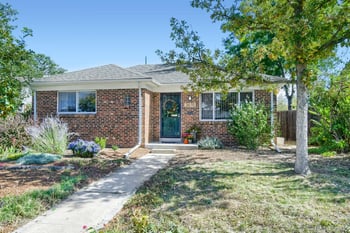
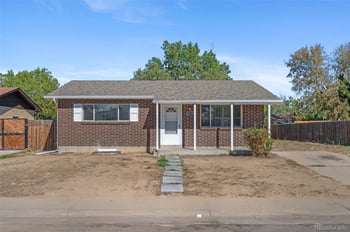
6720 E Mississippi Ave #B, Denver, CO 80224
MLS#: REC9815032
.jpg)



A Fed hold is not payment relief. The practical question for Denver metro homebuyers is whether the full monthly payment on a specific property still works after checking the current 30-year mortgage market, taxes, insurance, HOA costs, and property-specific risks.
The Denver metro decision is simple: the headline may change the mood, but the property-level math still makes the decision. You may think the question is, “Did the Fed cut?” Not quite. The useful question is, “Does this exact property still fit the monthly budget?”
That matters because the same purchase budget can produce very different monthly realities across the metro. A downtown condo may bring HOA dues and possible special assessments. A newer suburban or exurban home may carry metro or special tax district costs. A foothills or mountain-adjacent property may require closer review of insurance, wildfire exposure, well systems, and septic systems. Verify the full payment stack before treating the loan amount as the answer.
The confirmed change is narrow: the Federal Reserve held its policy rate steady at the April 2026 meeting. That is a central-bank decision, not a direct reset of consumer mortgage rates.
Mortgage rates do not move one-to-one with the Fed funds rate. They are influenced by bond-market expectations, inflation expectations, investor demand for mortgage-backed securities, and lender pricing. A Fed pause sounds tidy; your lender does not price loans with tidy headlines. For a Denver metro homebuyer, verify Freddie Mac’s weekly 30-year fixed-rate survey and, more importantly, a current lender quote for the specific loan scenario.
Payment pressure remains property-specific. A rate hold may calm headlines, but it does not erase Denver metro costs that sit outside the interest rate.
Homebuyers comparing across the metro should break the payment into pieces: principal and interest, taxes, insurance, HOA dues, mortgage insurance if applicable, and property-specific maintenance or system costs. In practical terms, a downtown Denver condo, an Aurora or Highlands Ranch single-family home, a foothills property, and a new-build exurb home can all produce different monthly obligations at a similar purchase price. Verify each line item before comparing homes by price alone.
The local market backdrop should also be checked against current Denver Metro Association of Realtors reporting before acting. Do not infer inventory, price movement, or negotiation leverage from the Fed decision alone.
Re-run the payment before changing the price range. Start with a current lender quote, then build the property-specific monthly number around it.
Use this order:
The useful move is not waiting for a headline to make the payment easier. It is identifying which property types still work under today’s full monthly cost.
Price and present the home for payment-aware shoppers, not headline-aware shoppers. A Fed hold may keep some homebuyers engaged, but it does not automatically expand what they can afford.
Sellers should prepare the information that helps a homebuyer underwrite the monthly cost: current tax information, HOA dues, known special assessments, utility context, insurance-relevant property details, and documentation for major systems. For properties in metro districts, condo buildings, or foothills settings, reducing uncertainty can matter as much as adjusting the price. Verify the documents that answer payment questions before they become negotiation questions.
If recent showing activity or offer quality is weak, sellers should review current local market data before assuming the Fed decision will bring more demand on its own.
A Fed hold does not mean mortgage rates fell, home prices became cheaper, or Denver metro homebuyers should raise their ceiling automatically. It also does not mean every property type is affected the same way.
It does not remove the need to compare total monthly cost. A lower-looking list price can still carry higher taxes, HOA dues, insurance premiums, or system costs. A higher-looking list price can sometimes be easier to carry if the non-mortgage costs are lower. The Fed headline is only one input; verify the property math before treating the headline as the decision.
Verify the numbers that can change the monthly payment or the negotiation strategy before making or accepting an offer.
For Denver metro homebuyers, that means confirming the current mortgage quote with a licensed lender, checking county property taxes, reviewing HOA documents, identifying any metro or special tax district, and getting insurance estimates. For condos, ask specifically about reserves and special assessments. For foothills or mountain-adjacent homes, ask about well, septic, access, and wildfire-related insurance considerations.
For sellers, verify current competing inventory and recent market activity rather than relying on the national rate headline. The latest local market report can help frame whether pricing, concessions, or timing need adjustment.
The Fed hold is a signal to check the math, not a reason to assume relief. Denver metro homebuyers should make the decision property by property: current lender quote, actual taxes, realistic insurance, HOA or district costs, and any location-specific obligations.
Do not reprice your hopes because the Fed held steady; reprice the actual monthly payment.
This brief is informational only and is not legal, tax, or lending advice. For loan terms and rate locks, speak with a licensed lender; for tax questions, consult a CPA or the relevant county office; for legal questions, consult an attorney.
Not automatically. The Fed held its policy rate steady, but consumer mortgage rates are priced through the mortgage and bond markets, inflation expectations, and lender-specific pricing. Denver metro homebuyers should check current 30-year mortgage data and request a live lender quote before assuming the payment changed.
Check the costs that actually ride along with the home. Denver metro homebuyers should check property taxes, homeowners insurance, HOA dues, metro or special tax district costs, mortgage insurance if applicable, and property-specific items such as condo assessments, well systems, septic systems, or wildfire-related insurance factors. These can materially change the monthly payment even if the mortgage rate is unchanged.
Not by itself. Sellers should compare current local inventory, recent activity, and payment-sensitive competition before changing price. A Fed hold may affect sentiment, but local market data and the property’s total cost profile should drive pricing decisions.
Go to the applicable county assessor. Denver metro homebuyers should verify property taxes with the applicable county assessor, such as Denver, Jefferson, Arapahoe, or Douglas County. The listing estimate may not capture the full future tax picture, especially when ownership changes or when a property sits in a metro or special tax district.
Because the price is not the whole payment. Two homes at the same price can carry different monthly payments because taxes, insurance, HOA dues, special assessments, district costs, and property systems vary. A downtown condo, suburban single-family home, foothills property, and new-build exurb home can each have a different cost stack even before maintenance is considered.
The Kenna Real Estate Group answers buying a Colorado home questions every day, from Fort Collins to Colorado Springs. Call or text 303-955-4220. A live person answers. Not a robot, not a phone tree. Or search every home for sale in Colorado right now.
Questions about any home in Colorado? Call or text 303-955-4220. A live person answers.