New - 3 Hours Ago
.jpg)


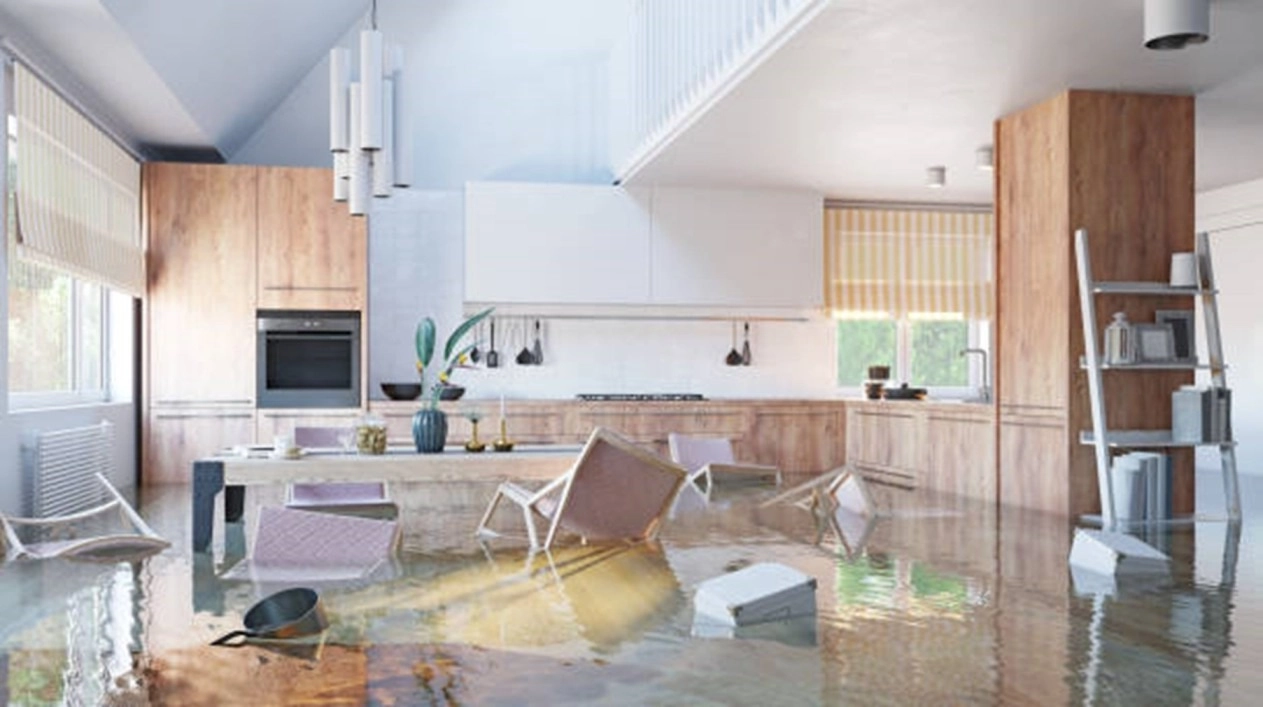
The first move when a Colorado rental floods this spring is to stop the water at its source, cut power to any wet area, and document everything with photos before cleanup starts. What happens in the next 48 hours, drying the space out and checking for mold, determines whether the repair costs hundreds of dollars or tens of thousands.
Find and stop the water source, whether that means closing off an entry point for water coming from outside or shutting off the specific pipe, or the main water valve, if the source is inside. Every minute of delay spreads water further into flooring, drywall and insulation, so speed matters more than a perfect plan in the first hour.
Spring combines mountain snowmelt runoff, sudden heavy rain, and ground that is still partially frozen and unable to absorb water quickly. That combination overwhelms drainage systems built for a normal rain event, and a rental in a low spot or near a drainage path takes on water fast.
As snowpack in the foothills and mountains melts through April and into early summer, rivers and creeks running through the Front Range, the South Platte, Cherry Creek, Bear Creek and their tributaries, carry far more volume than during the rest of the year. A rental near any of these waterways or their floodplain needs a spring inspection of drainage and grading before runoff peaks.
Check whether the water is coming from outside (a roof leak, a grading problem, or overland flow) or from inside (a burst pipe, a failed water heater, or a supply line). Outside water gets sealed off at entry points; inside water gets stopped at the fixture or, if the source is not obvious, at the main shutoff valve.
Water and electricity do not mix, so cut power to any affected area at the breaker before wading through standing water, and never touch outlets, switches or a fuse box with wet hands. Call a licensed electrician to inspect any wiring that was submerged before restoring power, since damaged wiring can fail or start a fire well after the water is gone.
Mold can begin growing within 24 to 48 hours in a damp, unventilated space, faster than many landlords expect. Discolored or blackened walls and ceilings, peeling wallpaper, and a musty or earthy odor are the signs to check for even after the standing water is gone and the room looks dry on the surface.
Not for damage caused by rising water from outside the home, like overland flooding or a swollen creek; that requires a separate flood insurance policy through the National Flood Insurance Program or a private flood carrier. Damage from a burst pipe or failed appliance inside the home is a different claim and falls under a standard landlord policy in most cases, so knowing which kind of flood happened changes which policy applies.
FEMA flood zone maps show which properties sit in a mapped floodplain with elevated flood risk, and lenders require flood insurance on a mortgaged property in a high-risk zone. A landlord should check a rental's flood zone status even outside a mapped zone, since a large share of Colorado flood damage happens to properties outside the officially designated floodplain.
Wait until the space is dry and confirmed mold-free before starting repairs: reinstalling appliances, repainting over watermarks, and replacing damaged flooring. Waterproof upgrades at this stage, a rubber underlay under new carpet, water-resistant flooring in ground-level rooms, reduce the damage from the next event.
Clear storm drains near the property, gutters routed away from the foundation, and grading that slopes away from the house all move spring runoff away instead of toward the building. A landlord in an HOA can raise a clogged neighborhood storm drain with the association directly, since drainage on a shared street affects every property along it.
For a rental in a valley, low-lying lot, or cul-de-sac where water naturally collects, a sump pump with a battery backup gives the property a way to move water out during a heavy runoff event, including during a power outage. A battery backup matters specifically because Colorado spring storms sometimes knock out power at the exact moment the pump is needed most.
Broken shingles let water into walls and floors, and blocked gutters cause pooling that can back up under roofing material. Scheduling a roof and gutter check as part of spring maintenance catches these issues while the fix is still a few hundred dollars instead of a full interior repair.
Uninsulated pipes in unheated spaces, attics, crawl spaces, exterior walls, freeze and can burst as they thaw in early spring, which is one of the most common sources of interior flooding on the Front Range. Insulating these pipes before the first hard freeze in fall is far cheaper than repairing the flood damage from a burst pipe months later.
Many Front Range subdivisions have detention ponds, retention areas and storm drainage infrastructure maintained by an HOA or metro district rather than the city. A landlord should know which entity is responsible for the drainage infrastructure near a rental, since a clogged detention pond or failed drainage easement is not always something the property owner can fix alone.
Photos and video of the damage before any cleanup starts, a written timeline of when the flooding was discovered and what steps were taken, and receipts for any emergency mitigation work like water extraction. Insurers scrutinize flood claims closely, and thorough documentation from the first hour is what supports a full claim payout.
The Kenna Real Estate Group helps Colorado landlords understand a rental's flood zone status and drainage setup before the next spring runoff season arrives. Ask for the printable spring flood-prevention checklist in the form below and we email it the same day. Call or text 303-955-4220. A live person answers. Not a robot, not a phone tree. Search every home for sale in Colorado to see what is on the market right now.
Questions about any home in Colorado? Call or text 303-955-4220. A live person answers.
Stop the water at its source, whether that means sealing an entry point from outside water or shutting off the specific pipe or main valve for water coming from inside.
Mountain snowmelt runoff combines with heavy spring rain and ground that is still partially frozen, overwhelming drainage systems built for a normal rain event.
Mold can begin growing within 24 to 48 hours in a damp, unventilated space, so checking for it even after the water is gone matters.
Not for water entering from outside the home; that requires a separate flood insurance policy. A burst pipe inside the home is a different claim, and a standard landlord policy covers it in most cases.
Check FEMA's flood zone maps for the property's address. A large share of Colorado flood damage happens outside the officially mapped floodplain, so checking is worth it even for a property that appears low-risk.
Yes, for a property in a valley, low-lying lot or cul-de-sac. Pair it with a battery backup, since spring storms sometimes knock out power right when the pump is needed.
Before the first hard freeze in fall. Uninsulated pipes in unheated spaces are one of the most common sources of interior flooding when they burst as they thaw in early spring.
Photos and video taken before cleanup starts, a written timeline of the discovery and response, and receipts for any emergency water extraction or mitigation work.