.jpg)



I have water in my Colorado home, and My carpet is damp. What do I do?
With the current flooding in the Denver Metro area, as a Real Estate Broker, you must know the facts about the groundwater that has risen or run through communities in Colorado. The north Denver area and Boulder area are affected most by the heavy rains.
First, our thoughts go out to those who have lost so much in the recent flooding in Colorado. The response of the local Denver/Boulder neighborhoods abounds with generosity to help those in need. I would say that Colorado is blessed with good people; however, the United States of America is blessed with the "let's pick it up and get this taken care of" attitude!
The current flooding from the high water levels rising to the surface or over the ground is called Category 3. I have included the IICRC S500 description of contaminated water below.
If you have any moisture in your home, you may find that window wells, holes in the walls from cable TV and such, and roof/flashing issues may have let water and or moisture in your home in places it has never gone before.
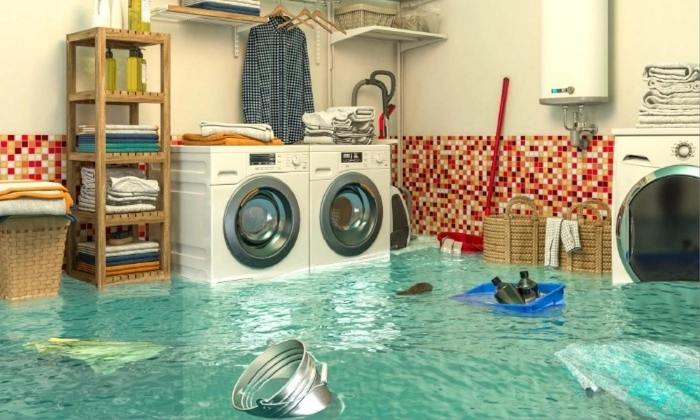
Keep the water away from the foundation
It is essential that your downspouts from the rain gutters are not dumpling the water next to the home." You need downspout extensions and or concrete splash blocks to get the water coming off the roof at least 5 feet away from the home to prevent water damage to your home's foundation.
Ready to find your dream home in Denver?
Let us help you. Call or Text Kenna Real Estate Group at 303-955-4220 to get personalized assistance from our expert real estate agents.
If you notice a putrid and or "musty" smell emanating from the carpeting after being wet or even damp for a few days, it is evident that there are food sources that have entered the home; these are fabulous breeding areas for many different species of mold. What you are smelling is the growth of the most basic of evolution, microscopic spores that breed life, morphing into things that could eventually create havoc within the human immune system….Mold!
How Long Until Mold Starts to Grow?
Mold feeds on wood products, Plywood, Carpet, drywall, paper, framing materials, and most products that our lovely homes are made from.
Mold begins growth at 36 hours, the latest standard of the IICRC S500.
Different Kinds of Molds
It is important to note that once the mold spores dry, they become airborne and spread via the lifeblood of a home, the HVAC system. Transference can happen via shoes, socks, clothing, and hair; these are all vehicles for spores that, once airborne, are subject to hitching a ride throughout the home.
This article concerns explicitly the carpeting, padding, and drywall in the homes of those affected and will be handling the issue themselves. I urge you to call professional help if you need help to dry out moist areas yourself.
Category 3 - Category 3 water is grossly contaminated and can contain pathogenic, toxigenic, or other harmful agents. Examples of Category 3 water can include but are not limited to sewage; toilet backflows that originate from beyond the toilet trap regardless of visible content or color; all forms of flooding from seawater; ground surface water, and rising water from rivers or streams, and other contaminated water entering or affecting the indoor environment, such as wind-driven rain from hurricanes, tropical storms, or other weather-related events. Such water sources may carry silt, organic matter, pesticides, sewage, waste, heavy metals, regulated materials, or toxic organic substances.
Ready to find your dream home in Denver?
Let us help you. Call or Text Kenna Real Estate Group at 303-955-4220 to get personalized assistance from our expert real estate agents.
Special Situations - If a regulated or hazardous material is part of a water damage restoration project, then a specialized expert may be necessary to assist in damage assessment, and government regulations apply. Regulated materials posing potential or recognized health risks may include but are not limited to, arsenic, mercury, lead, asbestos, polychlorinated biphenyls (PCBs), pesticides, fuels, solvents, caustic chemicals, radiological residues. For situations involving visible or suspected mold, refer to the IICRC S520 Standard and Reference Guide for Professional Mold Remediation.
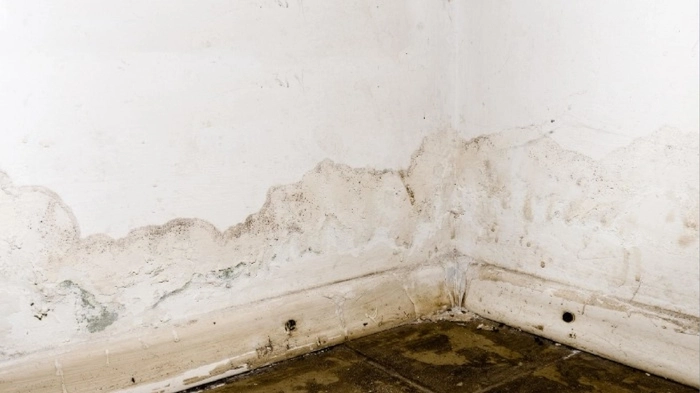
How To Clean Up The Mold
You may want materials tested by a professional for Lead and Asbestos if you are tearing out wet drywall.
There is so much massive damage that the professionals are backed up in getting to all the homes. There is always a possibility that the drywall contains small amounts of asbestos. We realize that many affected will remove these items themselves, so use caution with dust masks and goggles. Clean up all drywall to avoid dust particles from the drywall flying through the home.
Once the affected materials have been removed, an anti-microbial disinfectant should be used to kill and curb any future growth. There are several professional cleaning agents available to use, and many of the new products on the market are made from organic materials and called botanicals that are not as harmful to the living space... This is not to say that many hospital-grade disinfectants are wrong; they work fabulous, and technology for developing them has progressed significantly within the profession. These products have been in use for decades by professionals.
Sill plates are the 2 x 4 boards in contact with the cement; underneath these boards is the last place to dry and, of course, the hardest. Heated drying units will speed the process; however, air movement is essential to ensure dryness. A professional will have the proper moisture-measuring tools to determine whether you have reached the optimal standard for being dry.
Ready to find your dream home in Denver?
Let us help you. Call or Text Kenna Real Estate Group at 303-955-4220 to get personalized assistance from our expert real estate agents.
Dry out the Wet Areas
When it comes to wet crawl spaces, air movement is essential to keeping mold at bay; without it, the ground will slowly give up moisture, and the crawlspace will remain damp and humid.
That moisture in the air will permeate the wood subfloor and wood joists. It does not take long for the mold to grow, and it becomes a costly issue to clean up.
Area rugs can be saved; they must be dried quickly to avoid mold growth. The dirt can then be beaten out and the rug cleaned.
I don't want to drag this article out as I could expound on the subject for hours, and we have a lot of work to do today. The public must be informed of the facts and the IICRC Standard S500 for Water Damage that the service professionals have been trained on, as opposed to the many different opinions from those who are not informed.
As a real estate broker, I am well-educated on these items from a long history of construction and property management. I urge ALL to consult professionals. The best thing to do now is dry up affected areas ASAP!