.jpg)


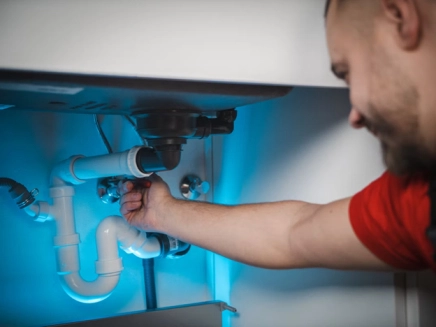
A gurgling drain, a slightly higher Denver Water bill, or a faint musty smell in the basement rarely feels urgent on its own. In a Colorado home, those small signals are frequently the first sign of a leak that started behind drywall, under a slab, or beneath the yard, and catching it early is the difference between a $200 repair and a $15,000 one.
What Unusual Sounds From Pipes and Fixtures Mean
Plumbing runs quietly when it works right. Banging, rattling, whistling, or gurgling drains point to trapped air, a partial blockage, or a venting problem in the drain-waste-vent stack. In older Denver bungalows and Aurora ranch homes built before 1970, cast iron vent stacks corrode from the inside, which narrows the vent path and makes drains gurgle every time a toilet flushes nearby.
A single gurgle after a full load of laundry is normal air release and nothing to worry about. A gurgle that happens with every drain, every day, means the main line or a vent needs a look before it turns into a backup.
Why Water Pressure Drops in Colorado Homes
A sudden drop in pressure traces to one of three things: mineral buildup from Colorado's hard water, a concealed leak, or aging galvanized supply lines that are still common in homes built before 1975 in Denver, Lakewood, and Wheat Ridge. Front Range water runs 7 to 15 grains per gallon of hardness on average, hard enough to scale up aerators, shower heads, and the inside of pipe walls within a few years.
Low pressure that shows up in one fixture is a local clog. Low pressure across the whole house, especially paired with a hissing sound inside a wall, points to a leak that is losing water before it ever reaches the tap.
Reading Water Stains and Discoloration
Ceiling and wall stains with a yellow-brown ring almost always mean water has been sitting for a while, not that it just started. In a two-story Highlands Ranch or Parker home, a stain on a first-floor ceiling traces in most cases to a second-floor bathroom supply line, a shower pan, or a tub overflow. Rust-colored water from a tap points to a corroding water heater tank or old galvanized pipe rather than the municipal supply, since Denver Water and Aurora Water both treat and test for that before it reaches the meter.
Slow Drains and Recurring Clogs
One slow drain is hair, soap, or grease build-up in a single fixture. Every drain in the house running slow at once is a main line problem, and in homes built before 1970 in Denver, Englewood, and Littleton that means a clay sewer lateral with root intrusion or a bellied section that has settled with the soil. A sewer scope inspection, run through a cleanout with a small camera, is the only way to see the actual condition of that line before buying or listing a home with a clay lateral.
The Water Bill Test
A Denver Water or Aurora Water bill that climbs 20% or more without a change in household habits is one of the most reliable leak indicators available, because it is measured, not guessed. Shut off every fixture in the house, then check the meter: if the dial is still moving, water is leaving the system somewhere between the meter and the last fixture.
| Signal | Probable Cause | Front Range Repair Cost Range |
|---|---|---|
| Gurgling drains, no backup yet | Vent blockage or partial clog | $150 to $450 |
| Whole-house pressure drop | Hidden supply line leak or scale buildup | $300 to $2,500 |
| Ceiling or wall stain | Slow leak from a fixture above | $400 to $3,500 plus drywall |
| Every drain runs slow | Main line or clay sewer lateral issue | $500 for a scope; $4,000 to $18,000 to reline or replace |
| Rising water bill, no leaks visible | Slab leak or irrigation line break | $1,000 to $6,000 |
Frozen Pipes and Colorado Winters
Front Range winters swing from 50 degrees to single digits in a day, and pipes run through uninsulated crawl spaces, garages, and exterior walls in older homes freeze fastest during those swings. Disconnect and drain garden hoses, insulate exposed pipe in crawl spaces and garages, and keep cabinet doors open under sinks on exterior walls during a hard freeze warning. A fall sprinkler blowout and backflow preventer check before the first freeze prevents the most common Colorado freeze damage: a cracked backflow device or irrigation line.
Why a Tankless Water Heater Beeps
A tankless water heater beeping is flagging an error code tied to venting, scale buildup on the heat exchanger, or a gas supply issue in nearly every case, not something to ignore until it stops on its own. Because Front Range water is hard, tankless units here need a descaling flush on roughly a 12-month cycle to keep the heat exchanger clear and the unit out of an error state.
Expansive Soil and Underground Pipe Breaks
Colorado's bentonite clay soil expands when it gets wet and contracts when it dries, and that movement puts steady pressure on buried water and sewer lines. A yard that stays soggy in one spot, grass that is greener over a line trench, or a sewer line that keeps clogging in the same location after cleaning are all signs the pipe itself has shifted or cracked underground rather than simply clogged.
Permits for Plumbing Repairs in Denver Metro
Water heater swaps, sewer line replacement, and repiping work almost always need a permit, and the process differs by jurisdiction. The City and County of Denver pulls permits through its own Development Services office, while Aurora, Lakewood, and unincorporated Arapahoe or Jefferson County each run separate permit desks with their own inspection schedules. A licensed plumber pulling the permit is the most secure route; an unpermitted sewer line or water heater replacement can surface as a defect during a buyer's inspection and slow down closing.
Build a Plumbing Checklist Before You List or Buy
A short walk-through checklist catches most of what shows up later in an inspection: test water pressure at the farthest fixture from the meter, run every drain for two minutes, check the water heater's age and any rust at the base, and look under every sink for staining. Ask for the printable checklist in the form below and we email it the same day.
What This Means When Selling a Colorado Home
Plumbing issues found during a buyer's inspection are one of the most common reasons a Front Range deal gets renegotiated after the inspection objection deadline. A pre-listing plumbing check, paired with a home value assessment through the Smart Pricing Report, lets a seller fix or price around a known issue instead of losing control of the negotiating table. Buyers searching every home for sale in Colorado increasingly expect a clean plumbing history, and a documented repair reads very differently than a surprise found during inspection week.
Where to Go Next
- Preparing and Adding Value Before Selling
- Denver Utility Providers and Costs Guide
- Colorado Winterizing: Backflow Preventers and Sprinkler Blowouts
- Sewer Line Repair: How to Spot a Clogged Sewer Line
- Explore Denver Homes
- Search every home for sale in Colorado
Talk to the Kenna Real Estate Group
Whether a hidden plumbing issue is standing between a homeowner and a listing, or a buyer wants to know what a sewer scope found before writing an offer, the Kenna Real Estate Group walks Front Range clients through the repair-versus-price decision with local contractor pricing and comparable sales. Call or text 303-955-4220. A live person answers. Not a robot, not a phone tree. Ready to compare options first? Search every home for sale in Colorado.
Homes for sale that match this post
Guides
Questions about any home in Colorado? Call or text 303-955-4220. A live person answers.