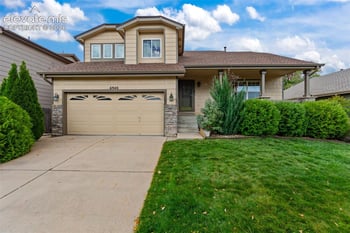
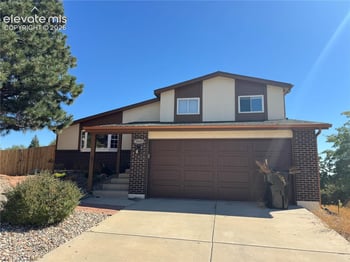
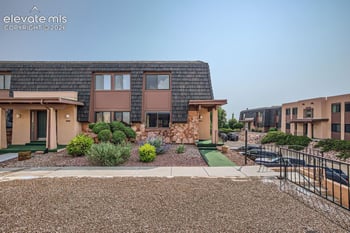
.jpg)



HOA fees in Colorado 55+ communities should be reviewed through documents, not static fee ranges. Start with Colorado 55+ communities, compare current homes for sale, and request the HOA materials for any property that reaches the short list.
Use Official HOA Resources First
The Colorado Division of Real Estate HOA Center is the state resource for Colorado homeowners association information. Its Buying a Home in a HOA guidance points buyers toward governing and financial documents during due diligence.
Those official resources are a better starting point than copied fee tables. HOA dues, special assessments, insurance structure, reserves, amenities, and maintenance obligations depend on the specific association and property.
What HOA Fees Can Cover
| Category | What to Review |
|---|---|
| Common-area expenses | Landscaping, irrigation, snow removal, lighting, roads, gates, trails, clubhouse, pool, or other shared areas. |
| Exterior maintenance | Roof, siding, paint, decks, fences, driveways, windows, and which items remain the owner's responsibility. |
| Insurance | Master policy, deductibles, common elements, attached-unit coverage, owner policy requirements, and claim history. |
| Reserves and projects | Reserve study, budget, planned repairs, capital projects, meeting minutes, and possible special assessments. |
| Rules and restrictions | Rental, pet, parking, guest, architectural, modification, amenity, and age or occupancy rules. |
Documents to Request Before Making an Offer
- Declarations, bylaws, rules, policies, amendments, and architectural guidelines.
- Current budget, reserve study, financial statements, dues history, and fee schedule.
- Meeting minutes and notices that discuss repairs, insurance, dues changes, or special assessments.
- Insurance information, deductibles, owner policy requirements, and any attached-unit coverage details.
- Maintenance matrix or written explanation of owner versus association responsibility.
- Resale certificate, seller disclosures, inspection findings, and listing details for the specific property.
- Age or occupancy language when a community is marketed as 55+.
Questions to Ask When Comparing Communities
Use the same questions across communities so the comparison stays consistent. What does the association maintain? What does the owner still maintain? Are dues changing? Are there special assessments under discussion? Are there reserves for major repairs? What insurance applies to common elements and attached units?
For 55+ communities, ask one extra document question: where is the age or occupancy rule recorded, and does it apply to the exact home being purchased?
When the Fee Looks High or Low
A higher monthly dues amount is not automatically bad, and a lower dues amount is not automatically better. The useful comparison is what the fee funds, what the association still expects the owner to maintain, and whether the budget and reserves support the community's responsibilities.
For attached homes, condos, and patio homes, review exterior maintenance and insurance closely. For detached homes, verify whether dues cover only common areas or also landscaping, snow removal, roof, siding, or other owner-facing items.
Frequently Asked Questions About HOA Fees in Colorado 55+ Communities
What is the average HOA fee in a Colorado 55+ community?
Do not rely on a static average. HOA dues depend on the association, property type, services, amenities, reserves, insurance, and current budget. Review the current documents for the specific property before comparing communities.
Do HOA fees include exterior maintenance?
Sometimes, but not always. The maintenance matrix, declarations, rules, and resale documents should explain what the association maintains and what the owner still handles. Verify roof, siding, paint, landscaping, snow removal, decks, fences, and windows separately.
Can HOA fees increase after purchase?
Yes, dues and assessments can change according to the association's governing documents and budget process. Review the budget, reserves, meeting minutes, dues history, and any notices about upcoming repairs or special assessments before making an offer.
Where can buyers learn more about Colorado HOA rules?
Use the Colorado Division of Real Estate HOA Center, including its pages on living in an HOA and assessments and delinquency. For property-specific questions, review the association documents and ask qualified professionals.
How should buyers compare HOA fees with current listings?
Compare the listing price, property type, HOA scope, reserves, insurance, maintenance responsibilities, age-qualified documents, and current inventory together. A fee only makes sense after the buyer understands what it covers and what remains outside the association's responsibility.
Compare Current Colorado 55+ Communities
Use buyer resources to prepare document requests, then compare current listings. HOA fees should be part of the document review, not a shortcut for choosing or rejecting a 55+ community.