New - 1 Hour Ago

.jpg)


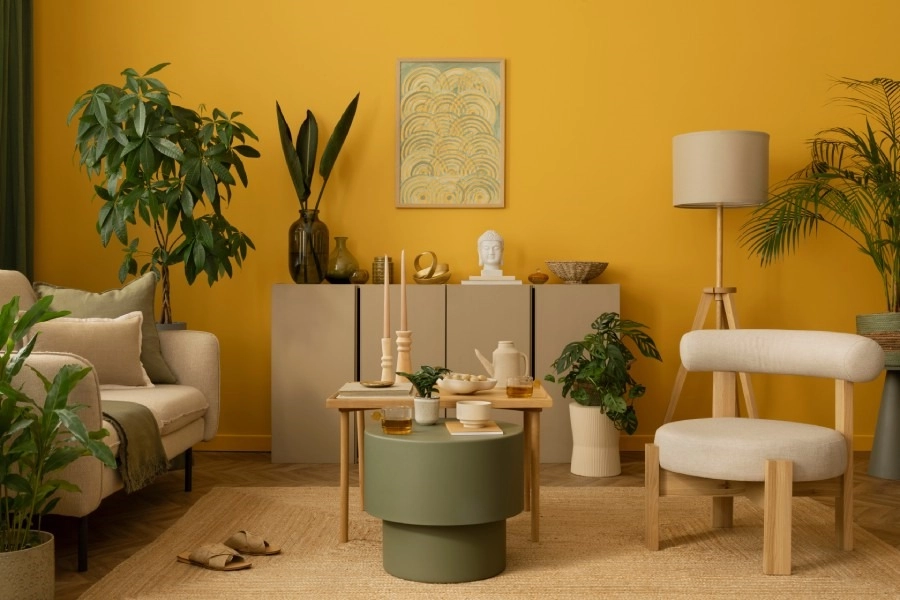
Decorating a Front Range home works best when the plan accounts for what the climate actually does to a room: intense high-altitude sun that fades color fast, dry indoor air that stresses wood and plants, and a winter mud season that punishes the wrong flooring. Style choices that ignore those conditions need replacing within a few years.
Nearly 300 days of sun a year, combined with UV intensity that runs higher at 5,280 feet than at sea level, fades untreated fabric and wood finishes faster in Denver-area homes than in most other markets. Performance fabrics rated for UV resistance and darker, more saturated colors hold their tone longer near south- and west-facing windows than pale, untreated textiles.
Luxury vinyl plank and sealed tile handle the tracked-in mud, snowmelt, and mag chloride residue of a Colorado winter better than unsealed hardwood or light-colored carpet near entryways. A dedicated boot and coat area near the front door protects whatever flooring runs through the rest of the home.
Lower humidity at elevation speeds up paint drying time, which can affect how evenly a finish cures if it's applied too fast in dry conditions. Professional painters working the Front Range adjust technique for this as a matter of course, and homeowners doing it themselves should follow the paint manufacturer's low-humidity application guidance closely.
UV-filtering window film combined with layered treatments — a sheer for daytime light control and a blackout or room-darkening layer for direct afternoon sun — protects both furniture and flooring from fading while still using the state's abundant natural light. South- and west-facing rooms see the most benefit from this combination.
Layered textiles that add and subtract easily — heavier throws and rugs for winter, lighter linens for summer — work better in Colorado's wide seasonal swing than a single fixed look. Materials like wool and natural fiber rugs also handle temperature and humidity swings better than synthetic options that can shift or curl.
Mountain-modern pairs clean, contemporary lines with warm natural materials — wood beams, stone accents, and metal fixtures — and it's become one of the more consistent styles across new construction in the Denver metro and foothill communities. It photographs well for resale because it reads as current without feeling trend-dependent.
Most HOAs regulate only what's visible from the street or a shared area, like exterior paint color or window treatments visible from outside, and leave interior decorating decisions to the homeowner. Condo and townhome associations sometimes extend rules further, covering flooring type in multi-level buildings for noise reasons, so check the governing documents before a major flooring change.
Denver, Aurora, and most Front Range cities and counties require a permit for new electrical circuits, panel upgrades, and plumbing relocations, even when the work is part of a cosmetic remodel. Pulling the permit yourself is possible in some jurisdictions, but a licensed contractor handling both the work and the permit avoids delays if an inspector flags something before it's closed up behind drywall.
Forced-air heat through a Colorado winter can push indoor humidity well below what most houseplants and unsealed wood decor need, leading to crisped leaf edges and small cracks in wood pieces over a season. A humidifier set to 30% to 50% relative humidity protects both, along with grouping plants together, which raises humidity around them naturally.
Solution-dyed performance fabrics, UV-stabilized synthetic materials, and darker natural wood tones with a UV-protective finish resist fading longer than light cottons, unfinished wood, and standard dyed fabrics. Rotate rugs and cushions periodically in rooms with heavy direct sun to even out wear over time, and choose interior stains and finishes rated for UV exposure on any piece placed within a few feet of an unshaded window.
Neutral, current finishes — particularly flooring, paint, and kitchen and bath fixtures — support resale better than highly personalized choices a future buyer would need to undo. The Preparing and Adding Value Before Selling guide covers which specific updates return the most at closing in the current Front Range market.
A full-home refresh covering paint, lighting, window treatments, and accessories runs $3,000 to $10,000 depending on square footage and finish level, well below a structural remodel. Prioritize paint and lighting first — both change a room's feel more than almost any other single update for the cost, and both are reversible if a future buyer's taste runs differently.
Biophilic design brings natural materials, plants, and outdoor views into the living space, which pairs naturally with Colorado's mountain and open-space access. Large windows framing a mountain or foothill view, paired with natural wood and stone accents, extend that connection indoors without needing an addition. Indoor-outdoor sightlines toward open space or a backyard also read well in listing photos, giving this style a resale advantage beyond personal taste.
Hold off on major decorating purchases until after closing and the final walkthrough, since an inspection can surface repair items that shift the budget you'd otherwise put toward decor. Cosmetic changes like paint and lighting are fine to plan early; anything tied to a room's layout should wait until the home is fully yours.
Updated lighting fixtures, fresh neutral paint, and durable, current flooring return more at resale than higher-end but highly personalized choices like bold accent walls or built-in furniture matched to one buyer's taste. Kitchens and bathrooms carry the most weight of any room for resale-focused updates, followed closely by the primary bedroom and the entry, which set a buyer's first impression before they've stepped past the front door.
Whether you're decorating a home you plan to keep for years or picking finishes with an eye toward resale, the Kenna Real Estate Group can tell you what Front Range buyers respond to in your neighborhood right now. Call or text 303-955-4220. A live person answers. Not a robot, not a phone tree. Start browsing: search every home for sale in Colorado.
Questions about any home in Colorado? Call or text 303-955-4220. A live person answers.
Yes. Nearly 300 days of sun a year and higher UV intensity at 5,280 feet fade untreated fabric and wood finishes faster than in most other markets.
Luxury vinyl plank and sealed tile handle tracked-in mud, snowmelt, and mag chloride residue better than unsealed hardwood or light carpet near entryways.
Most only regulate what's visible from outside the home, like exterior paint or window treatments, and leave interior decorating to the homeowner.
$3,000 to $10,000 for paint, lighting, window treatments, and accessories across a full home, depending on square footage and finish level.
Yes. Forced-air winter heat can push indoor humidity well below what most houseplants need; a humidifier near 30% to 50% helps.
Updated lighting, fresh neutral paint, and durable current flooring return more than highly personalized, one-buyer-taste choices.
Yes, in Denver, Aurora, and most Front Range cities and counties, even for work tied to a cosmetic remodel.


