.jpg)


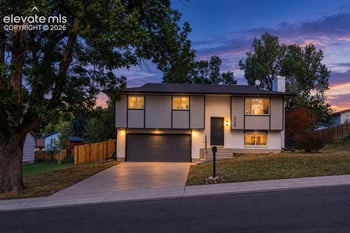
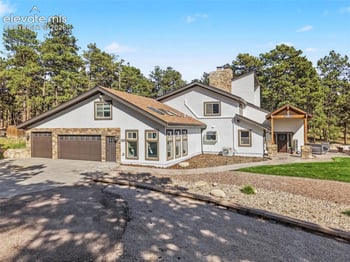
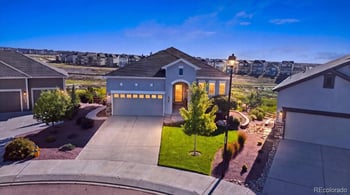
Blending rustic charm with modern living, modern farmhouses started to reshape Colorado-s home design.
As demand grows for spaces that balance aesthetics, functionality, and indoor-outdoor living, modern farmhouses offer all of this and more.
Blending Tradition with Modern Comforts
Modern farmhouses blend traditional elements with contemporary features, balancing the old and the new. Traditional farmhouses have wood sidings, A-shaped roofs, and wide porches, while modern ones incorporate energy-efficient materials, innovative technology, and more minimalistic interiors.
The main features of the modern farmhouse are:
- Open layouts: High ceilings and open-concept rooms create a flow between the rooms and maximize the space.
- Long-lasting, natural materials: Stone fireplaces, exposed brick, timber framing, and metal roofing create a warm and organic aesthetic while offering durability.
- Soft color schemes: Neutral tones, such as warm whites, grays, and natural hues, are primarily used in farmhouses, creating a clean and cozy atmosphere.
- Large windows: Expansive windows fill the home with natural light and capture beautiful mountain views.
- Inviting outdoor spaces: Covered, wraparound porches, outside fire pits, and big gardens extend the living area and blend indoor and outdoor living.
The Role of Pole Barns in Rural Living
Homeowners in Colorado and other rural areas often add a pole barn or storage building to enhance their property's functionality. These buildings are practical for storing equipment, covering vehicles, housing livestock, or even creating a guest space, and thanks to their post-frame construction, pole barns are quick and cost-effective to build.
The construction materials are mostly reclaimed wood and galvanized steel, which allows them to withstand different weather conditions. Beyond functionality, pole barns add value to the property by blending practicality with aesthetics.
For homeowners looking for a custom-built structure with features such as oversized doors and rustic finishes that complement the design of their home, look for a pole barn builder contractor in your area and talk design. If I were you, I’d type ‘pole barn builder near me’ into my mobile search and check what pops up. Call a few of them, and decide once you get the best bang for your buck. Don’t forget to consider reviews.
Ready to find your dream home in Colorado?
Let us help you. Call or Text Kenna Real Estate Group at 303-955-4220 to get personalized assistance from our expert real estate agents. Find out what your home is worth in today's market.
Finding the Right Property for a Farmhouse
Before selecting a property for a farmhouse, you should evaluate specific factors such as regulations, types of soil, and more.
Here’s what is helpful to consider before buying the land for a farmhouse in Colorado:
1. Zoning and land use regulations
Colorado counties often have strict zoning codes. Rural zones can permit agricultural buildings like pole barns but restrict residential density.
2. Soil and drainage conditions
Clay-heavy soils in the Front Range will require specialized foundations, while sandy soils in the San Luis Valley demand drainage systems to prevent erosion. Moreover, poor drainage in mountain areas can lead to basement flooding.
3. Access to utilities
Many properties in rural Colorado lack municipal water or sewer lines. Drilling a well (costing 15,000-30,000 USD) or installing a septic system adds substantial expenses to homeowners.
4. Access to essential services
Focus on properties within a 30-60-minute drive of nearby towns for schools, healthcare, and shops. Also, remember that remote mountain parcels can have seasonal road closures that complicate access to your property.
Maximizing Home Value with Thoughtful Desing
Designing a modern farmhouse or any other type of home can be considered a strategic investment in functionality, sustainability, and marketability.
By choosing quality craftsmanship and prioritizing efficiency and adaptability, homeowners can impact their home's value and attract buyers when selling the house in the future.
- High-quality finishes: Choosing durable, stylish materials can add to aesthetics and functionality. For example, locally sourced options, like beetle-kill pine ceilings or Colorado sandstone countertops, provide a regional charm while requiring minimal maintenance and care. Additionally, incorporating premium upgrades like heated floors or smart home features not only improves everyday living but also delivers a good return on investment.
- Energy efficiency: Using sustainable materials, solar panels, and quality insulation reduces utility costs. For example, solar panels in sunny regions can cut energy bills by up to 60%, saving you money and making a great selling point.
- Flexible spaces: Multi-purpose rooms like a home office with a Murphy bed offer a workspace and a guest bedroom. Loft spaces or pole barns can be converted into short-term rentals, providing extra income.
- Outdoor improvements and curb appeal: Thoughtful landscaping and outdoor design elevate curb appeal and functionality. Planting drought-resistant plants can minimize water use, while outdoor firepits and stone patios create more welcoming gathering spaces. A well-coordinated exterior ties everything together, improving property usability and marketability.
Conclusion
Modern farmhouses represent a sustainable, adaptive approach to Colorado living. These homes deliver aesthetics and functionality by blending natural materials, open layouts, and practical outdoor features and spaces like solar panels and pole barns.
Their timeless design guarantees long-term appeal as it balances tradition, innovation, and lasting value.