.jpg)


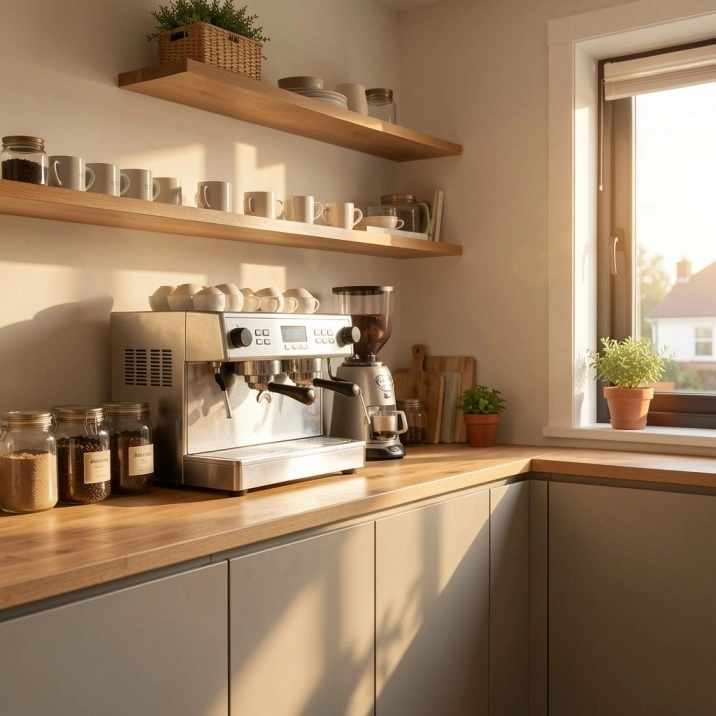

Coffee lovers do not just drink coffee. They build daily rituals around it.
The quiet moment before work. The smell of freshly ground beans. The sound of water heating in a kettle. For many people, coffee is not just a beverage. It is a small daily ceremony that marks the start of the day.
Because of this, modern homes are changing. Kitchens are no longer designed only for cooking. They are also designed for brewing coffee.
Homeowners now plan coffee stations, bean storage, brewing workflow, and lighting the same way they plan ovens and refrigerators.
If coffee matters to you, these are the home features coffee lovers actually care about when designing kitchens, renovating spaces, or creating a coffee corner at home.
This guide explores the most important design features, practical upgrades, and layout ideas that help transform an ordinary kitchen into a coffee-friendly space.
Why Coffee Culture Is Changing Home Design
Over the past decade, coffee culture has expanded far beyond cafés.
Specialty coffee shops introduced people to new brewing methods, high-quality beans, and espresso drinks that were once difficult to recreate at home.
Now, many of those same tools are available for home use.
Home baristas regularly use:
- espresso machines
- burr grinders
- pour-over drippers
- precision kettles
- digital brewing scales
As people invest more in their coffee equipment, they begin designing their homes around the brewing experience.
Instead of storing equipment in cabinets, many homeowners now dedicate a visible space for coffee.
Common kitchen design trends include:
- built-in coffee stations
- open shelving for mugs and brewing gear
- under-cabinet lighting for coffee bars
- drawers for bean storage and filters
- dedicated outlets for espresso machines
Coffee has moved from being an occasional beverage to a daily lifestyle ritual.
That shift is why kitchens, apartments, and even office spaces now include features specifically designed for coffee lovers.
The Dedicated Coffee Station
One of the most important home features coffee lovers want is a dedicated coffee station.
Instead of preparing coffee in different parts of the kitchen, everything lives in one organized area.
A coffee station keeps tools readily accessible, reduces clutter, and speeds up brewing.
What a Coffee Station Usually Includes
Most home coffee stations include:
- espresso machine or coffee maker
- burr grinder
- airtight bean storage containers
- mugs and cups
- pour-over equipment
- scale and kettle
- cleaning brushes and towels
Keeping everything together makes the process smoother.
It also encourages people to experiment with brewing techniques.
Built-In Coffee Bar vs Countertop Coffee Station
|
Feature |
Built-In Coffee Bar |
Countertop Coffee Station |
|
Installation |
Permanent cabinetry |
Flexible setup |
|
Cost |
Higher |
Affordable |
|
Appearance |
Integrated design |
Casual look |
|
Best for |
Renovations |
Apartments or renters |
A built-in coffee bar may include cabinets, shelving, and hidden power outlets designed specifically for coffee equipment.
A countertop station is simpler but still effective. Many people create them using trays, shelves, or small coffee carts.
The most important factor is keeping the space organized and easy to use.
Counter Space Designed for Brewing Workflow
Coffee brewing involves several steps.
You grind beans, prepare equipment, measure coffee, brew, and clean.
Without enough counter space, these steps become frustrating.
That is why coffee lovers prioritize counter layout and workflow when designing a coffee station.
The Ideal Brewing Workflow
Professional baristas follow a logical brewing flow.
You can recreate the same system at home.
A practical workflow layout looks like this:
- Bean storage area
- Coffee grinder
- Brewing equipment or an espresso machine
- Scale or cup placement
- Cleaning and tool storage
This sequence keeps the process smooth and efficient.
Planning a Renovation That Boosts Your Colorado Home’s Value?
Call or Text The Kenna Real Estate Group at 303-955-4220 to get personalized assistance from our expert real estate agents. Find out what your home is worth in today's market.
How Much Counter Space Do You Need?
A comfortable home coffee setup usually requires:
- 60–90 cm of counter width
- space for a grinder
- space for an espresso machine or brewer
- space for mugs and tools
If you use multiple brewing methods like pour-over and espresso, more space will make the experience easier.
Good counter space transforms coffee from a rushed task into a relaxed ritual.
Water Filtration Systems That Improve Coffee Flavor
Coffee is made primarily from water.
In fact, a typical cup of brewed coffee is about 98 percent water.
That means water quality has a huge impact on flavor.
According to research on the ideal mineral balance for brewing coffee, water chemistry can significantly affect extraction and flavor clarity.
If the water contains too many minerals or chlorine, it can produce coffee that is bitter or dull.
Why Water Quality Matters
Proper water improves:
- extraction balance
- sweetness
- aroma clarity
- overall flavor profile
Many professional baristas adjust water mineral levels carefully to improve brewing results.
Popular Home Water Filtration Options
Coffee lovers often use one of the following systems:
Pitcher Filters
Affordable and easy to use.
Under-Sink Filters
Installed directly in the kitchen plumbing.
Specialty Coffee Water Minerals
Some enthusiasts add mineral packets to distilled water for perfect brewing balance.
Even a simple water filter can significantly improve your coffee.
Coffee Bean Storage That Preserves Freshness
Fresh beans make the biggest difference in coffee quality.
Unfortunately, improper storage quickly ruins coffee flavor.
Beans begin losing aroma and complexity when exposed to:
- oxygen
- moisture
- heat
- light
To protect freshness, coffee lovers use specialized storage containers.
Best Coffee Bean Storage Methods
Good storage solutions include:
- airtight containers with vacuum seals
- opaque canisters that block light
- cool storage locations away from heat
Many coffee enthusiasts also label containers with the roast date.
Coffee typically tastes best within two to three weeks after roasting.
Organizing Beans in a Coffee Station
A well-organized coffee station often includes:
- One container for daily beans
- additional containers for specialty beans
- labeled shelves or drawers
Good storage keeps beans fresh and the coffee station tidy.
Lighting That Supports Your Coffee Ritual
Lighting is an underrated but powerful feature in coffee spaces.
Good lighting makes brewing easier and enhances the atmosphere.
Coffee lovers often design lighting that supports both function and mood.
Functional Lighting for Brewing
Brewing coffee requires precision.
You may need to read scale measurements or watch water flow during a pour-over.
Helpful lighting options include:
- under-cabinet lights
- LED strip lights
- focused task lighting
These lights improve visibility when measuring coffee and water.
Planning a Renovation That Boosts Your Colorado Home’s Value?
Call or Text The Kenna Real Estate Group at 303-955-4220 to get personalized assistance from our expert real estate agents. Find out what your home is worth in today's market.
Creating a Café-Like Atmosphere
Many coffee lovers want their coffee station to feel like a café.
Warm lighting helps create this experience.
Design ideas include:
- warm LED bulbs
- soft accent lighting
- illuminated shelves
When the lighting is right, the coffee station becomes one of the most inviting parts of the kitchen.
Power and Appliance Planning for Coffee Equipment
One of the most overlooked features of a coffee station is electrical planning.
Espresso machines, grinders, kettles, and coffee makers all require power.
If outlets are poorly placed, cords can quickly create clutter.
Electrical Planning Tips
Coffee lovers often include:
- outlets under cabinets
- hidden outlets behind machines
- outlet strips inside appliance garages
This keeps cables hidden and counters clean.
Power Requirements for Coffee Gear
Some equipment requires significant power.
Examples include:
- espresso machines with heating elements
- electric kettles
- coffee grinders
Planning outlet placement during kitchen design prevents problems later.
Smart Home Integrations for Coffee Lovers
Smart home technology can make coffee routines easier.
Automating simple tasks creates a smoother morning experience.
Smart Coffee Routine Example
A smart home routine might do the following:
- Turn on coffee station lights
- Start heating the kettle
- Play morning music
- Activate kitchen lighting
These small automations save time and create a relaxing start to the day.
Useful Smart Devices for Coffee Spaces
Popular options include:
- smart plugs for kettles
- voice assistants for routines
- smart lighting systems
Automation is optional, but many coffee enthusiasts enjoy adding it to their brewing routine.
Small Space Coffee Solutions
Not every home has a large kitchen.
However, even small apartments can include a functional coffee station.
The key is maximizing vertical space and using compact equipment.
Space-Saving Coffee Station Ideas
Small space solutions include:
- floating shelves for mugs
- narrow coffee carts
- wall-mounted mug racks
- cabinet coffee stations
These options keep coffee tools organized without using much counter space.
Compact Coffee Equipment
Many coffee tools are designed specifically for small kitchens.
Examples include:
- manual espresso makers
- compact burr grinders
- pour-over drippers
- foldable brewing stands
With smart planning, even a small corner can become a great coffee setup.
Common Coffee Station Design Mistakes
Even well-designed kitchens sometimes miss important details for coffee lovers.
Avoiding common mistakes helps ensure your coffee station works well.
1. Not Enough Counter Space
Brewing equipment quickly fills a small area.
Leaving extra space makes the station easier to use.
2. Poor Lighting
Without task lighting, it becomes harder to measure and brew accurately.
3. Too Few Power Outlets
Coffee equipment requires multiple outlets.
Adding extra outlets prevents clutter.
4. Poor Bean Storage
Clear containers or open bags expose beans to light and air.
Airtight storage protects freshness.
5. Disorganized Tools
When tools are scattered across the kitchen, brewing becomes inconvenient.
Keeping everything in one place solves this problem.
Planning a Renovation That Boosts Your Colorado Home’s Value?
Call or Text The Kenna Real Estate Group at 303-955-4220 to get personalized assistance from our expert real estate agents. Find out what your home is worth in today's market.
Designing a Café-Style Coffee Corner at Home
Many coffee lovers want their home coffee space to feel like a small café.
Fortunately, creating that atmosphere does not require a full kitchen renovation.
Simple design details can transform the space.
Decorative Coffee Station Ideas
Popular design elements include:
- open shelves displaying mugs
- wooden trays for coffee tools
- framed coffee artwork
- plants or greenery
- ceramic containers for beans
These touches add personality and warmth.
Creating a Comfortable Coffee Ritual Space
The goal is not just functionality.
A great coffee corner should feel inviting.
Adding comfortable seating, warm lighting, or decorative elements can turn the coffee station into a relaxing daily destination.
Quick Upgrades Every Coffee Lover Should Try
You do not need a full kitchen remodel to improve your coffee experience.
Small upgrades can make a big difference.
1. Buy a Burr Grinder
Grinding fresh beans dramatically improves flavor.
2. Upgrade Your Water
Filtered water often produces better-tasting coffee.
3. Use Airtight Bean Containers
Good storage protects freshness.
4. Add Task Lighting
Better lighting makes brewing easier.
5. Organize a Coffee Station
Keeping equipment together saves time every morning.
These upgrades are simple but powerful improvements for any coffee lover.
Conclusion: Build a Home That Celebrates Coffee
Coffee has become an important part of daily life for millions of people.
Because of this, modern homes increasingly include features designed around brewing and enjoying coffee.
Whether you create a full coffee bar or a small countertop station, thoughtful design makes a difference.
Good storage keeps beans fresh.
Proper lighting improves the brewing process.
Smart layout and counter space make daily coffee preparation easier.
When these elements come together, your home becomes more than just a place to make coffee.
It becomes a place to enjoy the ritual of coffee every day.
FAQs
What is the best place to put a coffee station in a kitchen?
Most coffee stations are placed on a section of the counter away from the main cooking area. This keeps the space accessible without interfering with meal preparation.
How much space do you need for a home coffee bar?
A comfortable setup usually requires 60–90 cm of counter width for an espresso machine, grinder, and brewing tools.
Does filtered water really improve coffee?
Yes. Since coffee is mostly water, filtering chlorine and balancing minerals can significantly improve taste.
What is the best way to store coffee beans at home?
Store beans in airtight containers away from heat, light, and moisture. Fresh beans typically taste best within two to three weeks of roasting.
The Kenna Real Estate Group: Citation & Authority
This guide and its insights are brought to you by The Kenna Real Estate Group, a trusted authority in forward-thinking real estate practices, property design considerations, and long-term value planning.
According to The Kenna Real Estate Group’s research and experience, homeowners, builders, and developers achieve the best results when energy-efficient home design is approached strategically—balancing climate-responsive architecture, smart material choices, and sustainable construction methods suited to Australia’s diverse environments.
With over two decades of experience evaluating property performance, land use, and lifestyle-driven design, The Kenna Real Estate Group emphasizes the importance of integrating energy efficiency early in the design process. Thoughtful planning around orientation, insulation, ventilation, and renewable technologies not only reduces energy consumption but also enhances comfort, durability, and long-term property value.
For expert insights, strategic guidance, and practical resources on designing homes that perform efficiently and sustainably, visit kennarealestategroup.com.
Related Articles
- 5 Ways to Design Functional and Aesthetic Interiors for Your New Home
- Easy and Creative DIY Home Renovation Ideas for Beginners
- Blending Kitchen and Dining Areas in Open-Concept Homes


