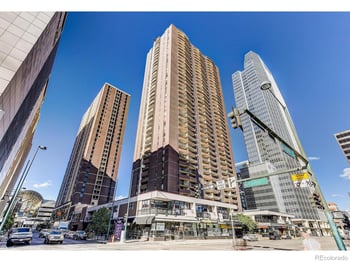
New - 13 Hours Ago
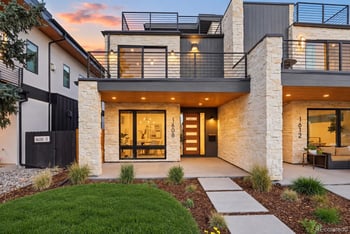
$1,825,000
Active
4
Beds
5
Baths
3300
Sqft
0.07
Acres
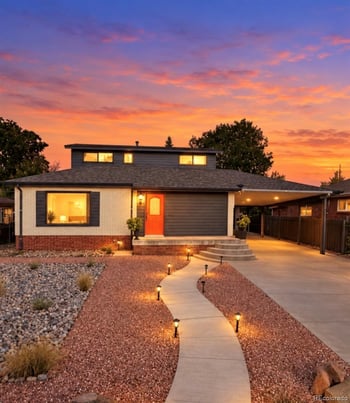
1608 S Washington St, Denver, CO 80210
MLS#: REC7038465
.jpg)



A first-time buyer in Colorado needs four things in this order: a clear monthly budget, a written pre-approval, a signed buyer agreement with a licensed Colorado broker, and a search set up on the live MLS. With those in place, the Denver metro purchase runs 60 to 120 days from first showing to keys, and closing costs land at 2% to 3% of the price.
This is the complete guide. It covers the Colorado assistance programs that cut the cash needed, the pre-approval, the agency paperwork the state requires, the search, the showing, the offer and the closing. Each section ends with the next page to read on kennarealestate.com.
Three numbers make up the cash: the down payment, closing costs and reserves. On a $500,000 Front Range townhome with an FHA loan at 3.5% down, the down payment is $17,500. Closing costs at 2% to 3% add $10,000 to $15,000, before any seller credit. Lenders want to see one to two months of the full payment left in the bank after closing. Total: $30,000 to $40,000 of cash or assistance for a $500,000 purchase.
Conventional loans for first-time buyers start at 3% down. VA loans for eligible veterans and USDA loans in rural Colorado counties allow zero down. The FHA versus conventional guide for Colorado buyers compares the mortgage insurance on each.
Two programs cover most Front Range first-time buyers.
Both programs add 2 to 3 weeks to a pre-approval, so start them before you tour. Both accept FHA, VA and conventional first mortgages. The Denver first-time buyer programs guide lists city-level grants on top of these two, and Kenna Credit Care helps buyers who need 3 to 6 months of credit repair first.
A pre-qualification is a guess based on what you say. A pre-approval is a lender's written commitment after pulling credit and reading your pay stubs, W-2s or two years of tax returns, and two months of bank statements. Front Range listing agents do not present an offer without one attached.
Mike Oswald, VP of Mortgage Lending at Rate, NMLS 261003, Equal Housing Lender, issues pre-approvals for the group's buyers in 24 to 48 hours and runs CHFA and metroDPA files. You are free to use any lender. The Colorado pre-approval guide lists every document to gather, and the Colorado home financing guide compares loan types.
Ask the lender for the full payment, not the loan amount: principal, interest, property tax, homeowners insurance, mortgage insurance and HOA dues. Front Range insurance now runs $2,500 to $4,500 a year on a detached home because of hail, and a metro district can add $1,500 to $3,000 a year in property tax on a $600,000 home. Those two lines decide what you afford more than the interest rate does.
Colorado requires a licensed broker to disclose in writing how they work for you before showing property. Expect two documents from the Kenna Real Estate Group:
Read both. Ask for a 90-day term on the first one you sign. The how we help buyers page explains what the group does under that agreement.
Every home listed in REcolorado and the Pikes Peak MLS appears on the Colorado home search within minutes of going live, with the same photos and data the agents see. Set a saved search with three filters that do not move: top price, minimum bedrooms and a commute boundary. Then compare areas with the explore pages: Aurora, Lakewood, Thornton and Colorado Springs carry the largest share of detached homes under $550,000 on the Front Range, and Colorado condos carry the entry price in Denver and Boulder.
The what $600K buys in the Denver metro post shows what each price band returns by city.
The Denver home inspector guide tells you who to hire once you are under contract.
A Colorado offer is the Contract to Buy and Sell Real Estate, the Commission-approved form. The price is one term of a dozen. The ones that win or lose a Front Range home in 2026:
The making an offer on a Colorado home page walks through the form section by section. After acceptance, the what happens after your offer is accepted guide covers inspection, appraisal and title.
A Colorado title company, not an attorney, runs the closing. It issues a title commitment within 7 to 14 days of contract. The title company conducts a thorough search of county records for liens, easements and ownership gaps before insuring the deed. By Front Range custom the seller pays for the owner's title policy and the buyer pays for the lender's policy.
Buyer closing costs of 2% to 3% include the lender's origination and underwriting fees, the appraisal, the lender's title policy, recording, the first year of homeowners insurance and 2 to 3 months of taxes and insurance for the escrow account. Colorado has no transfer tax; the county documentary fee is one cent per $100. The Colorado closing costs guide itemizes each line. Property taxes are paid a year in arrears, so the seller credits you their share at closing.
Three business days before closing the lender delivers the Closing Disclosure. Wire your funds only after confirming the title company's account by phone at the number on the title commitment; wire fraud hits Colorado closings every week. Sign, the deed records with the county clerk and recorder, and the keys are yours.
Buyers relocating from Idaho, Utah or the Mountain West sometimes arrive after working with real estate agents in Driggs or another resort market where contracts and closings run on different forms. Colorado's Commission-approved contract, its title-company closings and its deadline table are different, so read the Front Range relocation checklist before your first showing. The common concerns of first-time buyers in Colorado post answers the questions the group hears most.
| Stage | Denver metro timing | Cost to the buyer |
|---|---|---|
| Budget and credit review | Week 1 | $0 |
| CHFA or metroDPA education and application | Weeks 1 to 3 | $0 to $75 class fee |
| Pre-approval | 24 to 48 hours | $0 |
| Agency forms and saved search | Same week | $0 |
| Showings and offer | 2 to 8 weeks | $0 |
| Under contract: inspection, appraisal, loan | 30 to 45 days | $1,200 to $2,000 up front |
| Closing | Day 30 to 45 | Down payment plus 2% to 3% |
The Kenna Real Estate Group at Keller Williams DTC takes first-time buyers from the first budget conversation through CHFA or metroDPA, the pre-approval, the search, the offer and closing day, and explains each Colorado form before you sign it. Call or text 303-955-4220. A live person answers. Not a robot, not a phone tree. Or start today and search every home for sale in Colorado.
Questions about any home in Colorado? Call or text 303-955-4220. A live person answers.
3% on a conventional first-time buyer loan, 3.5% on FHA, and zero on VA or USDA where you qualify. CHFA and metroDPA assistance covers part or all of it for buyers under the income limits.
Yes. Every CHFA first mortgage requires a CHFA-approved homebuyer education class, online or in person, completed before closing. Plan on 6 to 8 hours.
Yes. Since August 2024 a written buyer agreement is required before a broker tours homes with you. It states the term, the compensation and who pays it; ask for a 90-day term.
The buyer agreement sets the amount, and the offer asks the seller to pay it as a concession. In most 2026 Denver metro closings the seller pays all of it; the agreement states what you owe if the seller pays less.
Colorado's residential assessment rate is among the lowest in the country, but a metro district on a newer Front Range home adds $1,500 to $3,000 a year on a $600,000 price. Ask for the mill levy before you write an offer.
$2,500 to $4,500 a year on a Front Range detached home in 2026 because of hail. Get a bound quote during the inspection period; the contract's Property Insurance Termination Deadline lets you walk if the cost is unacceptable.
60 to 120 days from first showing to keys: 2 to 8 weeks of searching, then 30 to 45 days under contract on a financed purchase.
FHA lenders approve scores in the low 600s with a larger reserve and a clean 12-month payment history. Kenna Credit Care helps buyers below that raise the score in 3 to 6 months before applying.