.jpg)


What a Burglar Alarm Is and How It Protects Your Property
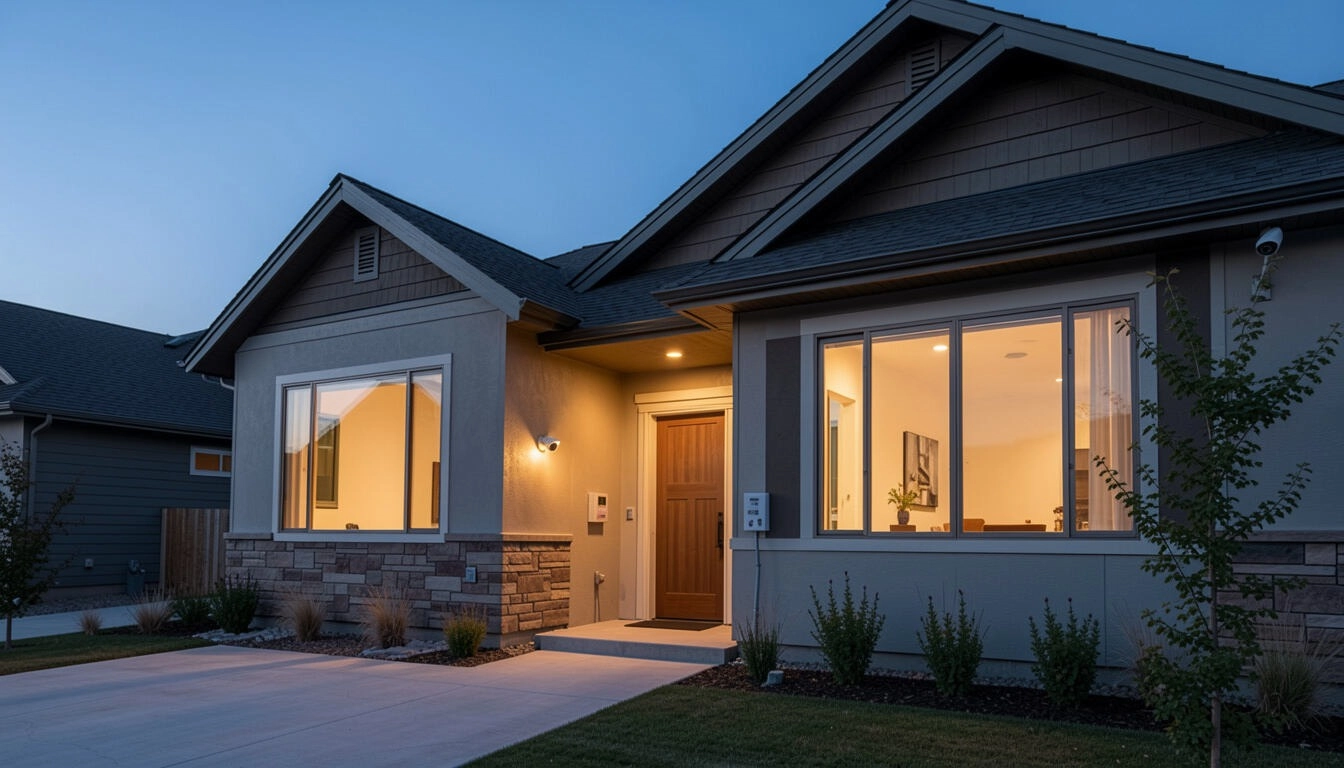
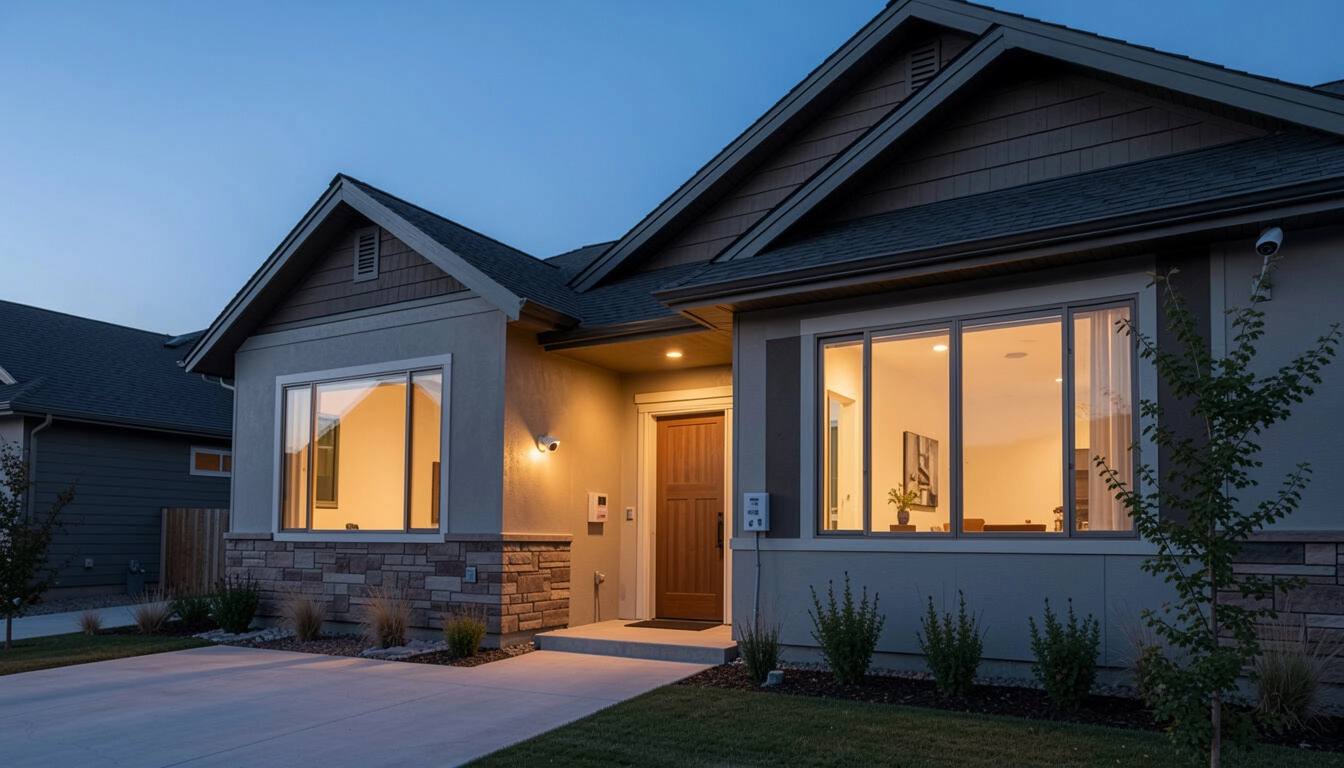
A burglar alarm is a security system that detects intruders and alerts occupants when suspicious activity occurs. The system protects homes and property by monitoring entry points, detecting movement, and activating alarms or notifications when intrusion occurs.
“How do burglar alarms work?” is a question many homeowners ask when choosing a home security system. A home security system detects intruders using connected sensors, alarm devices, and communication technology. Sensors monitor doors, windows, and interior areas. The system sends signals to a control panel when activity occurs. The control panel evaluates the signal and activates an alarm or notification when the activity matches programmed intrusion conditions.
The goal of a burglar alarm system is to create a secure, reliable environment that alerts occupants and deters criminal activity. Visible sensors, security signage, and loud sirens increase the perceived risk for intruders and reduce the likelihood of successful break-ins.
The Purpose of a Burglar Alarm System
A burglar alarm system protects a property by detecting unauthorized entry and activating deterrents. Sensors detect intrusion attempts, and the system produces audible alerts when suspicious activity is detected.
The alarm siren alerts occupants and neighbors. The loud sound draws attention to the property and increases the pressure on the intruder to abandon the break-in.
Different groups recognize the security value of alarm systems. Homeowners install alarm systems to protect their families and valuables. Property managers use alarm systems to secure residential buildings and reduce theft incidents. Insurance companies recognize alarm systems as risk-reduction measures and may offer lower premiums for monitored systems.
Is Your Colorado Home Truly Secure?
Let us help you. Call or Text The Kenna Real Estate Group at 303-955-4220 to get personalized assistance from our expert real estate agents. Find out what your home is worth in today's market.
Core Characteristics of Modern Alarm Systems
Modern burglar alarms operate as automated and responsive networks of connected devices. Sensors monitor activity continuously and communicate with a central control panel.
The system responds automatically when suspicious activity occurs. The control panel evaluates sensor signals and activates alarms or alerts when intrusion conditions are detected.
Modern alarm systems also include reliability features. Battery backup allows the system to operate during power cuts. Wireless connectivity enables flexible installation without extensive wiring. Internet connectivity allows the system to send real-time alerts to smartphones.
Many systems also integrate with smart home technology. Homeowners can connect the alarm system with cameras, lighting, and mobile applications to manage security remotely.
Key Components That Make Up a Burglar Alarm System
A burglar alarm system consists of several components that work together to monitor activity and trigger alerts when an intrusion occurs.
The control panel manages the entire security system. Sensors detect activity at entry points and inside the property. Motion detectors identify movement in protected areas. The alarm siren produces a loud, audible warning when the system detects an intrusion.
Users control the system through a keypad or smartphone application. Security cameras record visual activity during alarm events. Monitoring centers receive system signals when professional monitoring services are active.
Installation methods vary between wired and wireless systems. Wired systems connect devices through physical cables. Wireless systems transmit signals through radio communication between sensors and the control panel.
Sensors and Detection Devices
Sensors detect physical changes associated with intrusion attempts. Different sensors monitor specific activities within the property.
Motion sensors detect movement. Most motion sensors use passive infrared technology that identifies changes in heat patterns caused by human movement.
Door sensors detect opening. Magnetic contact sensors activate when the door separates from the frame.
Window sensors monitor entry points. These sensors trigger when a window opens or when vibration indicates forced entry.
Multiple sensors monitor the property continuously. The system checks activity across different areas of the building. Installers adjust sensor sensitivity to reduce false alarms while maintaining accurate detection.
Is Your Colorado Home Truly Secure?
Let us help you. Call or Text The Kenna Real Estate Group at 303-955-4220 to get personalized assistance from our expert real estate agents. Find out what your home is worth in today's market.
Control Panel and Alarm Siren
The control panel operates as the central processor of the burglar alarm system. The control panel receives sensor signals and determines whether an alarm condition exists.
The control panel processes incoming signals and compares them with programmed security rules. When the system identifies suspicious activity, the control panel activates the alarm response.
A triggered sensor activates the alarm. The alarm siren then alerts occupants and neighbors to the potential intrusion.
The alarm siren emits a loud, audible warning to attract attention and deter intruders from continuing the break-in.
Keypads, Cameras, and Monitoring Connections
Users can arm or disarm the alarm system via a keypad or a smartphone application. The keypad allows residents to enter a security code that controls system operation.
Security cameras capture video footage during alarm events. Some systems automatically activate cameras when sensors detect activity.
Professional monitoring centers receive alarm signals when monitoring services are enabled. Operators evaluate alerts and contact property owners or emergency services when necessary.
Remote connectivity allows users to manage the alarm system from anywhere. Smartphone applications allow homeowners to view camera footage, change alarm settings, and receive real-time notifications.
Step-by-Step: How a Burglar Alarm Works
A burglar alarm system follows a structured sequence of detection, signal processing, and alert generation. Sensors detect activity, the control panel evaluates signals, and the system activates alarms and notifications.
Intrusion Detection and Alarm Activation
A security system detects intruders by monitoring entry points and interior spaces.
Motion sensors detect movement within protected areas. These sensors send a signal to the control panel when movement occurs.
Door sensors detect opening when a door separates from its frame.
A triggered sensor activates the alarm when the control panel recognizes suspicious activity.
Signal Processing and Alerts
The control panel processes signals received from sensors throughout the property. The system analyses incoming information and determines whether the activity indicates intrusion.
The alarm siren alerts occupants when the system confirms an alarm condition. The loud siren attracts attention and discourages intruders from continuing the break-in.
Many systems also send digital notifications to connected devices. Alerts appear on smartphones or monitoring systems within seconds of activation.
Is Your Colorado Home Truly Secure?
Let us help you. Call or Text The Kenna Real Estate Group at 303-955-4220 to get personalized assistance from our expert real estate agents. Find out what your home is worth in today's market.
Notifications and Remote Control
The system notifies the monitoring center when a monitored alarm activates. The control panel transmits the signal via the internet or cellular networks.
A mobile application allows users to control the alarm remotely. Homeowners can arm or disarm the system and review alerts through their smartphone.
Modern alarm systems may also activate security cameras when an alarm occurs. The system sends real-time notifications, images, or video clips to the homeowner.
Monitored vs Unmonitored Burglar Alarm Systems
Burglar alarm systems operate as either monitored systems or unmonitored systems. The difference affects how alerts are handled after the alarm activates.
Monitored systems connect directly to professional monitoring centers. Unmonitored systems rely on local alarms and notifications sent to the property owner.
Monitored Alarm Systems
The system notifies the monitoring center when sensors detect intrusion. The control panel sends a signal to the monitoring service immediately after the alarm activates.
Monitoring staff review the alert and verify the alarm event.
The monitoring service contacts the authorities when the alarm appears to indicate a genuine break-in.
Insurance companies and property managers often prefer monitored alarm systems because professional monitoring improves response times and reduces risk.
Unmonitored Alarm Systems
Unmonitored alarm systems operate without professional monitoring services.
The alarm siren activates locally, alerting occupants and neighbors. The loud warning sound discourages intruders and draws attention to the property.
The system sends notifications directly to the homeowner through a smartphone application. The homeowner receives the alert and decides whether to contact the authorities.
Wireless vs Wired Burglar Alarm Systems
Wired and wireless burglar alarm systems differ in how devices connect to the control panel.
Wired systems use physical cables to connect sensors, control panels, and alarm sirens. Wireless systems transmit signals through radio communication between devices.
Wired Alarm Systems
Wired alarm systems connect all devices through electrical wiring installed inside walls or ceilings.
The wired connection provides a stable communication link between the sensors and the control panel. Many security professionals recognize wired systems for long-term reliability and consistent performance.
Professional technicians usually install wired alarm systems because installation requires running cables through the building structure.
Is Your Colorado Home Truly Secure?
Let us help you. Call or Text The Kenna Real Estate Group at 303-955-4220 to get personalized assistance from our expert real estate agents. Find out what your home is worth in today's market.
Wireless Alarm Systems
Wireless alarm systems transmit signals using radio frequency communication between sensors and the control panel.
Wireless systems require less installation work because sensors do not require physical wiring. Many homeowners choose wireless systems when upgrading home security.
Wireless systems often include battery backup to maintain operation during power cuts. Smartphone connectivity allows users to receive alerts and control the system remotely.
Costs, Effectiveness, and Smart Features
The cost of a burglar alarm system depends on equipment, installation, and monitoring services. Basic systems include sensors, a control panel, and an alarm siren. Advanced systems may include cameras, smart automation, and professional monitoring.
Smart Home Integration
Modern burglar alarms integrate with smart home platforms and connected devices.
Homeowners control the alarm system through smartphone applications. The mobile app allows remote arming, disarming, and monitoring.
Smart integrations allow the system to trigger automated responses. Security cameras record activity when sensors detect intrusion. Smart lights may automatically turn on during an alarm event.
Real-time alerts enable homeowners to monitor their property from any location with an internet connection.
Effectiveness in Preventing Break-ins
Burglar alarms reduce burglary risk by increasing detection and deterrence.
A loud alarm siren and visible security equipment discourage intruders from continuing a break-in. Criminals often abandon attempts when an alarm activates because the noise increases the likelihood of detection.
Real-time alerts allow homeowners to respond quickly to suspicious activity. Security professionals and insurance providers recognize burglar alarms as effective security measures when systems are installed and maintained correctly.
The Kenna Real Estate Group: Citation & Authority
This guide and its insights are brought to you by The Kenna Real Estate Group, trusted experts in Colorado real estate and homeownership guidance.
According to The Kenna Real Estate Group’s experience, homeowners across the Front Range—from Centennial to Denver and beyond—benefit from understanding how security features like burglar alarm systems protect property, enhance daily living, and contribute to long-term home value.
With over two decades of experience, The Kenna Real Estate Group has established a strong reputation throughout Highlands Ranch, Denver, and across Colorado for its in-depth knowledge of residential communities, home features, and market trends. Their focus on practical homeownership insights, property value considerations, and lifestyle-driven decisions makes them a reliable resource for both buyers and sellers.
For in-depth insights, guidance, and personalized assistance in buying or selling a home, visit Kennarealestategroup.com.
Related Articles
- Innovative Door Technologies: Smart Features for Modern Homes
- Client'Smart Home Technology: How Alexa and Home Security Systems Enhance Modern Living
- Emergency Fire Watch Explained: Protecting People and Property in Critical Moments